Vitamin D Deficiency: Symptoms, Risks, and What to Do Next
When your body doesn’t get enough vitamin D, a fat-soluble nutrient essential for calcium absorption and immune function. Also known as the sunshine vitamin, it’s made when skin is exposed to sunlight—but many people still fall short, even in sunny climates. This isn’t just about feeling tired. Low vitamin D can quietly weaken your bones, raise your risk of infections, and even affect your mood over time.
People with dark skin, older adults, those who stay indoors most of the day, or who live far from the equator are at higher risk. But it’s not just about sunlight. Diet matters too—few foods naturally contain vitamin D, and even fortified ones often don’t give enough. That’s why bone health, a key outcome of adequate vitamin D levels is often the first thing affected. Without enough vitamin D, your body can’t absorb calcium properly, leading to thinning bones, increased fracture risk, and in severe cases, osteomalacia—a softening of the bones that mimics osteoporosis. Meanwhile, vitamin D levels, measured through a simple blood test called 25-hydroxyvitamin D, are the only reliable way to know if you’re deficient. Most doctors consider under 20 ng/mL as deficient, and 20–30 ng/mL as insufficient.
And it’s not just bones. Research shows low vitamin D links to more frequent colds, slower wound healing, and even muscle weakness that feels like aging—but isn’t. It’s not magic, but correcting a deficiency can make a real difference in how you feel day to day. Many people report better energy, less aching joints, and fewer sick days after starting supplementation under medical guidance.
The posts below cover real-world situations tied to vitamin D deficiency—from how it affects bone turnover in people on osteoporosis meds, to how it interacts with other drugs and supplements. You’ll find practical advice on testing, dosing, and avoiding common mistakes. No fluff. Just what works.

- 28/Dec/2025
- by William Womack
-
 vitamin D and statins
statin muscle pain
vitamin D supplementation
statin interactions
vitamin D deficiency
vitamin D and statins
statin muscle pain
vitamin D supplementation
statin interactions
vitamin D deficiency
Vitamin D and Statins: What the Research Really Says About Their Interaction
Research shows vitamin D doesn't prevent statin muscle pain, despite popular belief. Learn what the science says about interactions, which statins matter, and what you should actually do.
Read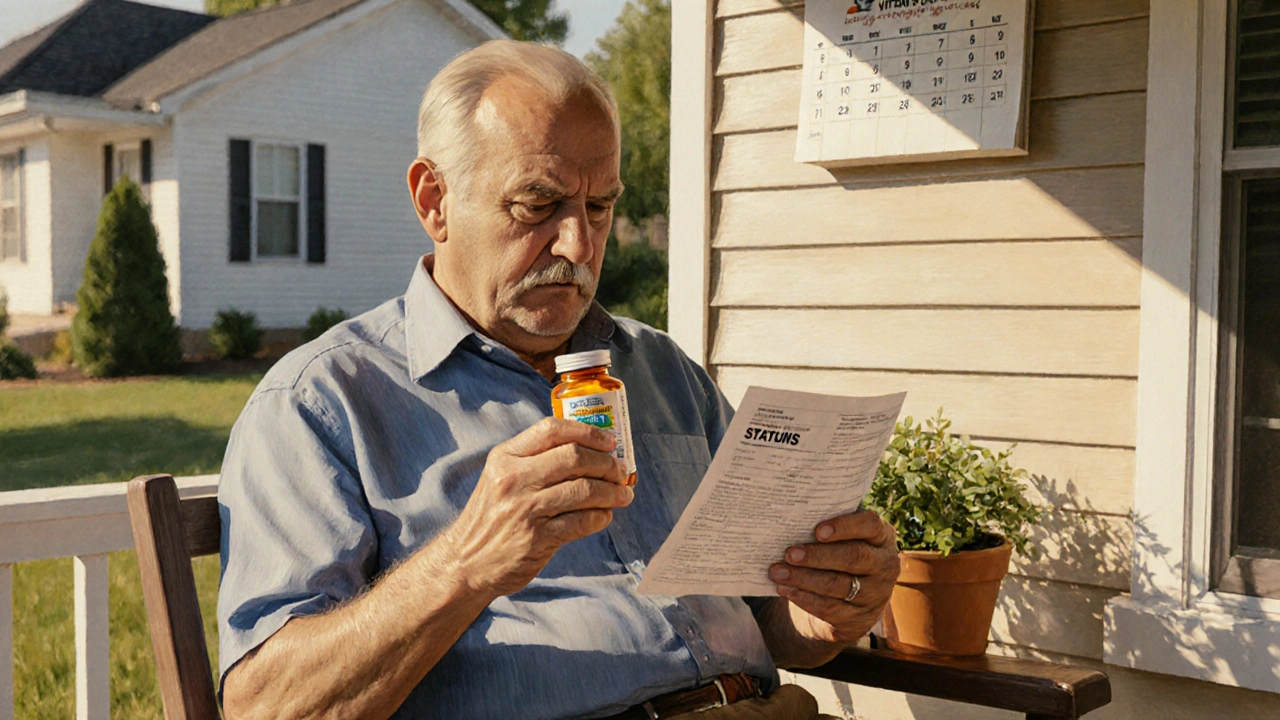
- 21/Nov/2025
- by William Womack
-
vitamin D
statin tolerance
statin side effects
muscle pain statins
vitamin D deficiency
Vitamin D and Statin Tolerance: What the Evidence Really Says
Does low vitamin D cause statin muscle pain? New evidence says no-but fixing a deficiency still matters for your overall health. Here's what the science really shows.
Read