

Millions of people take statins to lower cholesterol and protect their hearts. At the same time, nearly half of all Americans take vitamin D supplements-often to support bone health, immunity, or even to ease muscle aches. But what happens when you take both? Is there a real interaction, or is this just another health myth fueled by anecdotal stories and marketing?
Why People Think Vitamin D Helps with Statin Muscle Pain
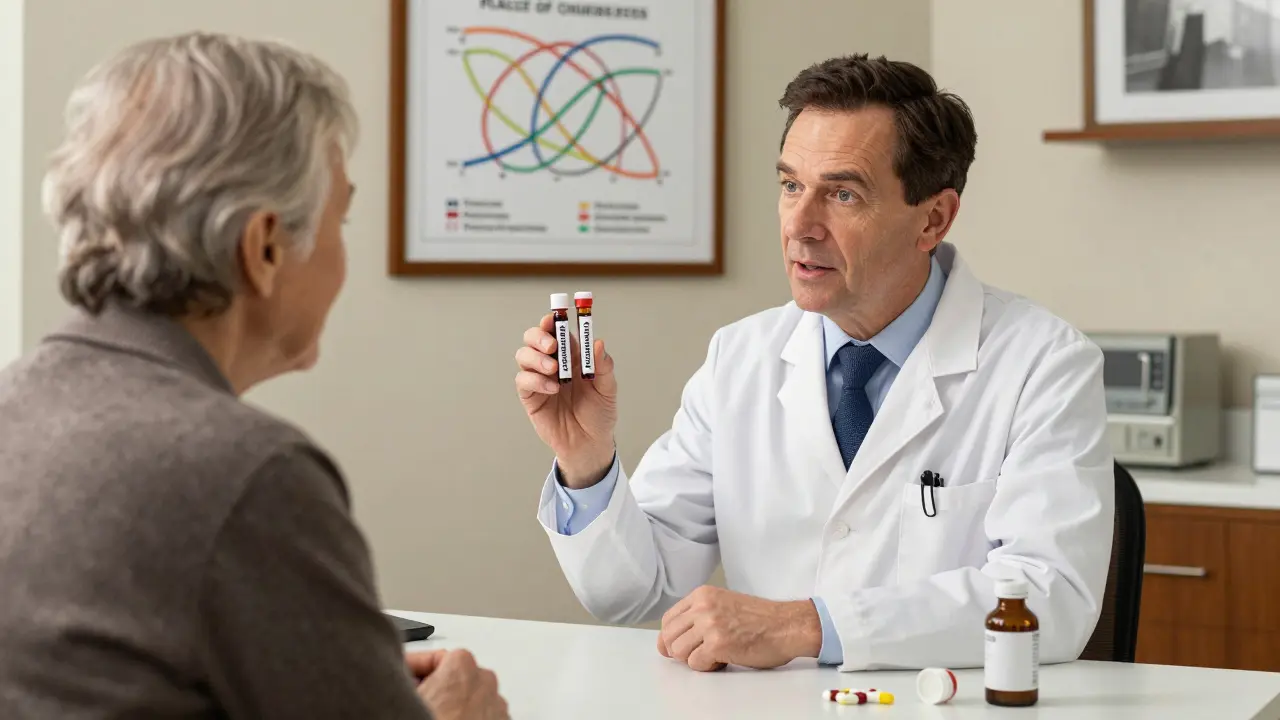
Statin-associated muscle symptoms (SAMS) are one of the most common reasons people stop taking these life-saving drugs. Muscle soreness, weakness, or cramps can start mild but become unbearable. When that happens, many turn to vitamin D. Why? Because low vitamin D levels are linked to muscle pain in general. It makes sense to assume fixing the deficiency might fix the statin problem.
On Reddit, patient forums, and even in some doctor’s offices, you’ll hear the same story: “I started taking vitamin D and my leg cramps disappeared.” A Drugs.com survey found 37% of statin users believe vitamin D helped their muscle symptoms. And in a Mayo Clinic survey, 61% of those who quit statins said they wished they’d taken vitamin D sooner.
But here’s the catch: these are personal stories. They’re powerful-but not proof. The real question isn’t whether people feel better. It’s whether vitamin D actually prevents or reduces muscle pain caused by statins in a controlled, scientific way.
What the Big Studies Actually Found
The most definitive answer comes from the VITAL trial substudy in 2022, which followed over 2,000 people who started statin therapy. Half took 2,000 IU of vitamin D daily. The other half took a placebo. After a year, the results were clear: 31% of people in both groups developed muscle symptoms. No difference. Not even a hint.
And it didn’t matter how low their vitamin D started. For those with levels under 20 ng/mL-considered deficient-the muscle pain rate was 33% in the vitamin D group and 35% in the placebo group. For those with levels under 30 ng/mL, it was 27% vs. 30%. The numbers were so close, they could’ve been random.
That’s not a fluke. This was a double-blind, randomized trial-the gold standard. Led by Dr. Mark Hlatky at Stanford, the study concluded: vitamin D supplementation does not prevent statin-associated muscle symptoms or reduce statin discontinuation.
The American College of Cardiology and the European Society of Cardiology both agree. Routine vitamin D testing or supplementation for statin users isn’t recommended-not because it’s dangerous, but because it doesn’t work for this purpose.
Do Statins Affect Vitamin D Levels? The Evidence Is Mixed
It’s not just about whether vitamin D helps statin users. The reverse is also true: do statins change your vitamin D levels?
Some studies say yes. A 2012 study found that people taking rosuvastatin saw their vitamin D levels jump from 11.8 ng/mL to 35.2 ng/mL in just eight weeks. Atorvastatin showed similar results. Researchers suggested statins might boost vitamin D absorption by activating cholesterol transporters in the gut.
But other studies say the opposite. A 2018 study with 125 participants found statin users had significantly lower vitamin D levels than non-users. Nearly 72% of statin takers were deficient, compared to 49% in the control group.
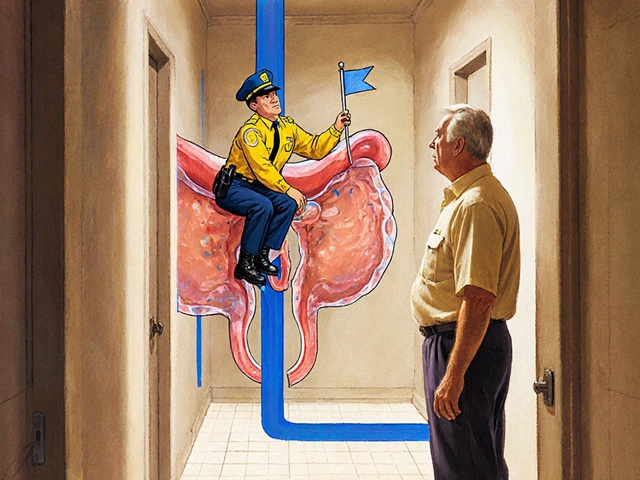
Why the contradiction? The answer lies in the type of statin and how it’s processed in the body. Statins like atorvastatin, simvastatin, and lovastatin are broken down by the CYP3A4 liver enzyme. Vitamin D also uses this enzyme for activation. That’s where the confusion comes in.
Some researchers think statins might interfere with vitamin D metabolism. Others think they might enhance absorption. The truth? It depends on the drug, the dose, the person’s genetics, and their baseline vitamin D status. There’s no one-size-fits-all answer.
Which Statins Are Most Likely to Interact?
If you’re on a statin and taking vitamin D, you should know which one you’re on-not because you need to stop, but because it affects your risk profile.
- High CYP3A4 interaction risk: Atorvastatin, simvastatin, lovastatin
- Low or no CYP3A4 interaction: Rosuvastatin, pravastatin, fluvastatin
A 2015 study found that people taking 800 IU of vitamin D daily had lower levels of atorvastatin in their blood. That doesn’t mean the statin stopped working-it just means the body processed it differently. The clinical impact? Unclear. No study has shown this leads to higher heart attack risk.
But here’s the practical takeaway: if you’re on simvastatin or atorvastatin and you’re also taking high-dose vitamin D, your doctor might want to monitor your cholesterol levels more closely. It’s not a reason to quit either-but it’s something to discuss.
What About Vitamin D Deficiency and Heart Health?
Even if vitamin D doesn’t stop statin muscle pain, should you still take it if you’re deficient?
Yes. But not because of the statin.
Vitamin D deficiency is linked to bone loss, weakened immunity, and possibly higher risk of falls in older adults. The European Atherosclerosis Society says clearly: maintaining adequate vitamin D levels (≥20 ng/mL) is advised for general health in statin users.
That’s different from taking extra vitamin D to fix muscle pain. It’s about making sure you’re not deficient for overall health reasons.
If your blood test shows your level is below 20 ng/mL, correcting that is important. If it’s above 30 ng/mL, there’s no added benefit from taking more. In fact, very high doses (over 4,000 IU/day long-term) can cause problems like kidney stones or calcium buildup.

Why Do Doctors Still Recommend It?
If the science says no, why do so many doctors still suggest vitamin D for statin users?
A 2023 Medscape survey found that 47% of primary care physicians still recommend it-not because they believe in it, but because patients keep asking.
It’s a tough spot. Patients are scared of muscle pain. They’ve heard it works. They’ve seen testimonials. They come in with vitamin D bottles in hand. Saying “no” feels dismissive. So even when evidence says it won’t help, some doctors give in-to keep the peace, to build trust, to avoid losing patients.
But that’s not evidence-based care. It’s compassion-driven compromise. And it’s costing the U.S. healthcare system an estimated $285 million a year in unnecessary supplements.
What Should You Do?
Here’s the simple, clear guidance based on current science:
- If you’re on a statin and have muscle pain: don’t assume vitamin D will fix it. Talk to your doctor about switching to a different statin (like pravastatin or rosuvastatin), lowering the dose, or trying coenzyme Q10 (which has weak but more consistent evidence for muscle relief).
- If you don’t know your vitamin D level: get tested. If it’s below 20 ng/mL, supplement to reach 30-50 ng/mL. If it’s above 30, you’re likely fine.
- If you’re taking high-dose vitamin D (over 2,000 IU/day) and are on atorvastatin or simvastatin: mention it to your doctor. No need to stop, but monitoring cholesterol levels every 3-6 months is wise.
- If you’re taking vitamin D just because you think it helps with statin side effects: consider stopping. You’re not helping your muscles-you’re spending money and risking side effects for no proven benefit.
What’s Next? The Research Is Still Evolving
The PRECISION trial, currently tracking 5,000 statin users with muscle symptoms, is testing whether only people with severe deficiency (under 12 ng/mL) might benefit from vitamin D. Results are expected in late 2025.
Early work from Johns Hopkins also suggests genetics may play a role. Some people have a variant in the CYP2R1 gene that affects how their body converts vitamin D. That could explain why some studies show benefits and others don’t.
For now, the best advice is this: don’t take vitamin D to treat statin muscle pain. But do take it if you’re deficient-for your bones, your immune system, and your overall health. And always talk to your doctor before making changes to your meds or supplements.
The truth isn’t sexy. It doesn’t make headlines. But it’s the only thing that keeps you safe.
Does vitamin D help with statin muscle pain?
No. The largest and most rigorous study (the VITAL trial substudy in 2022) found no difference in muscle pain between people taking vitamin D and those taking a placebo-even among those with low vitamin D levels. While many people report feeling better, this is likely due to the placebo effect or natural variation in symptoms.
Can statins lower vitamin D levels?
It depends on the statin. Some studies show atorvastatin and rosuvastatin may raise vitamin D levels, possibly by improving absorption. Other studies show lower levels in statin users. The reason isn’t fully understood, but it may relate to how each statin is processed by the liver and whether it affects cholesterol transporters.
Should I take vitamin D if I’m on a statin?
Only if your blood test shows you’re deficient (below 20 ng/mL). If your level is normal or high, extra vitamin D won’t help your muscles and could increase your risk of side effects. Don’t take it to prevent statin side effects-it doesn’t work for that.
Which statins interact with vitamin D?
Atorvastatin, simvastatin, and lovastatin are metabolized by the CYP3A4 enzyme, which is also used by vitamin D. This creates a theoretical risk of interaction. Rosuvastatin, pravastatin, and fluvastatin are not significantly affected by this pathway, so they’re less likely to interact.
Is it safe to take vitamin D with statins?
Yes, it’s generally safe if you’re not taking excessive doses. The American Pharmacists Association recommends monitoring vitamin D levels in patients with persistent muscle symptoms but does not recommend routine supplementation. Avoid doses over 4,000 IU/day unless prescribed.
Write a comment
Latest Posts



Comments
Nicole K.
28/Dec/2025I can't believe people still take vitamin D for statin pain. It's not magic, it's a supplement. If your muscles hurt, maybe you're just not moving enough or you're dehydrated. Stop wasting money and just get off the internet.
Jim Rice
28/Dec/2025Oh please. The VITAL trial? That was funded by Big Pharma. You think they'd let a cheap vitamin like D mess with their billion-dollar statin sales? Tell me the truth - who really benefits here?
Henriette Barrows
28/Dec/2025I get why people try vitamin D - muscle pain sucks, and when you're scared of your meds, you'll grab at anything. I was on simvastatin and had cramps every night. Took D for a month, felt better… but honestly? I think it was just me finally sleeping better. Still, I'm glad I tried. Not because it worked, but because I didn't feel helpless.
It’s okay to want to feel better, even if the science says ‘no.’ We’re not robots.
Manan Pandya
28/Dec/2025The VITAL trial substudy is indeed the most robust evidence to date. The null result is statistically significant (p > 0.05) across all subgroups, including those with baseline vitamin D <20 ng/mL. The effect size was negligible (Cohen’s d = 0.07).
Furthermore, CYP3A4-mediated interactions between statins and vitamin D remain pharmacologically plausible but clinically insignificant in randomized trials. Monitoring is prudent for high-dose users on simvastatin, but routine supplementation is not indicated.
It is essential to distinguish between correcting deficiency for bone health and using vitamin D as a pharmacologic intervention for SAMS - these are entirely different clinical paradigms.
Duncan Careless
28/Dec/2025My doc told me to take D3 because my levels were low. Didn’t care about the statin thing. Just wanted to stop feeling like a zombie in winter. Now I’m not constantly sick. So yeah, I’m still taking it. Science can kiss my butt if it means I feel human again.
Samar Khan
28/Dec/2025OMG I’ve been taking 5000 IU for 2 years and my legs don’t cramp anymore 😭😭😭
My doctor said it’s placebo but I KNOW it worked. I’m not dumb. I feel it. Why do you hate people who try to feel better?? 🤬
Also my cat started purring louder since I started taking D. Coincidence? I think NOT.
Russell Thomas
28/Dec/2025So let me get this straight - you’re telling me the only reason 61% of people who quit statins said they wished they’d taken vitamin D… is because they’re gullible? No one’s ever felt better? Not once?
That’s not science. That’s arrogance wrapped in a lab coat. You think people are stupid because they listen to their bodies? Try living with chronic pain before you judge.
Joe Kwon
28/Dec/2025There’s a nuance here that’s being lost: SAMS is a heterogeneous syndrome. Some cases are true myopathy, others are psychosomatic, and a subset may be influenced by mitochondrial dysfunction - where CoQ10 has more evidence than D. But vitamin D’s role as a modulator of inflammation and calcium flux in muscle cells is biologically plausible, even if the RCTs don’t show population-level benefit.
That doesn’t mean it’s useless for individuals. We need precision medicine here - not blanket recommendations. The CYP3A4 interaction risk is real for simva/atorva, so dose timing matters. Also, check 25(OH)D, not just total D.
Aliza Efraimov
28/Dec/2025I’ve been a nurse for 18 years. I’ve seen patients cry because they can’t walk to the bathroom without cramping. I’ve seen them stop statins and have heart attacks. I’ve also seen them start vitamin D and walk again - not because it’s magic, but because they stopped being afraid.
The placebo effect isn’t ‘fake.’ It’s your brain healing your body. And if vitamin D gives someone the psychological space to stick with their statin? That’s not a failure of science - that’s a win for human care.
Don’t shame people for trying. Shame the system that makes them feel like they have to choose between their heart and their legs.
Nisha Marwaha
28/Dec/2025From a public health perspective, the cost-benefit analysis of routine vitamin D supplementation in statin users is clear: minimal risk, low cost, and potential downstream benefits (bone health, immune modulation, fall prevention in elderly). Even if it doesn’t reduce SAMS, the broader population benefit justifies targeted testing and correction of deficiency.
Let’s not conflate ‘not effective for muscle pain’ with ‘not useful.’ We’re talking about two different endpoints. Also, remember that vitamin D is a hormone precursor - it’s not just a supplement. Its role in gene regulation is profound. Don’t reduce it to a magic pill for cramps.
Tamar Dunlop
28/Dec/2025As someone who has lived in both North America and South Asia, I find the cultural divergence in supplement use fascinating. In India, vitamin D is often prescribed routinely - not for statins, but because sunlight exposure is minimal and dietary intake is low. In the U.S., it’s seen as a trendy fix-all. Yet both cultures share the same underlying anxiety: the fear of being medically neglected.
The real issue isn’t vitamin D. It’s that we’ve turned healthcare into a transactional checklist, and patients are left scrambling for agency. If taking a $10 bottle of D helps someone feel heard - perhaps we should ask why they felt unheard in the first place.