Overdose Prevention: How to Stop Accidental Drug Overdoses Before They Happen
When we talk about overdose prevention, the practice of stopping accidental or intentional drug overdoses before they cause harm or death. Also known as drug overdose safety, it’s not just about telling people to "take less"—it’s about understanding how medications behave in the body, who’s at risk, and what tools can save a life in minutes. Every year, thousands of people die from overdoses that could have been avoided with simple, practical steps. It’s not just opioids—overdoses happen with prescription painkillers, sleep aids, even common OTC meds like acetaminophen when mixed the wrong way.
naloxone, a medication that can reverse opioid overdoses in under five minutes is now available without a prescription in most places. But knowing where to get it isn’t enough—you need to know when to use it. Signs like slow breathing, blue lips, or unresponsiveness mean time is critical. And it’s not just for people using heroin or fentanyl. Someone taking high-dose pain meds after surgery, or mixing benzodiazepines with alcohol, could slip into an overdose without realizing it. That’s why medication safety, the system of using drugs correctly to avoid harm matters more than ever. Many people don’t realize that taking two pills with the same active ingredient—like Tylenol and a cold medicine—can push you over the edge. Or that skipping meals with certain drugs increases absorption and risk.
Overdose prevention also means recognizing patterns. Seniors on multiple prescriptions are at higher risk because of drug overlaps—something we see in posts about duplicate medications and switching generics. Teens might not know that mixing sleep aids with alcohol is deadly. People with chronic pain might increase their dose because the pain returns, not realizing tolerance is building. And let’s not forget: opioid overdose, a life-threatening reaction to opioids like oxycodone, hydrocodone, or fentanyl is the leading cause of accidental death in people under 50 in the U.S. But it’s preventable. Carrying naloxone, storing meds out of reach of kids, using one pharmacy to avoid duplicates, and knowing your meds’ side effects aren’t just good habits—they’re survival tools.
What you’ll find below aren’t just articles—they’re real-world guides from people who’ve been there. From spotting the quiet signs of overdose to understanding why some generics behave differently, these posts give you the facts you need to act before it’s too late. No theory. No fluff. Just what works when seconds count.
- 1/Dec/2025
- by William Womack
-
 blister packs
pill organizers
medication errors
pill adherence
overdose prevention
blister packs
pill organizers
medication errors
pill adherence
overdose prevention
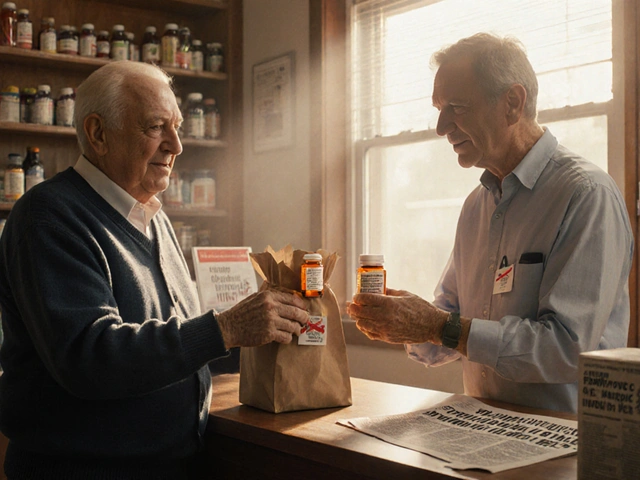
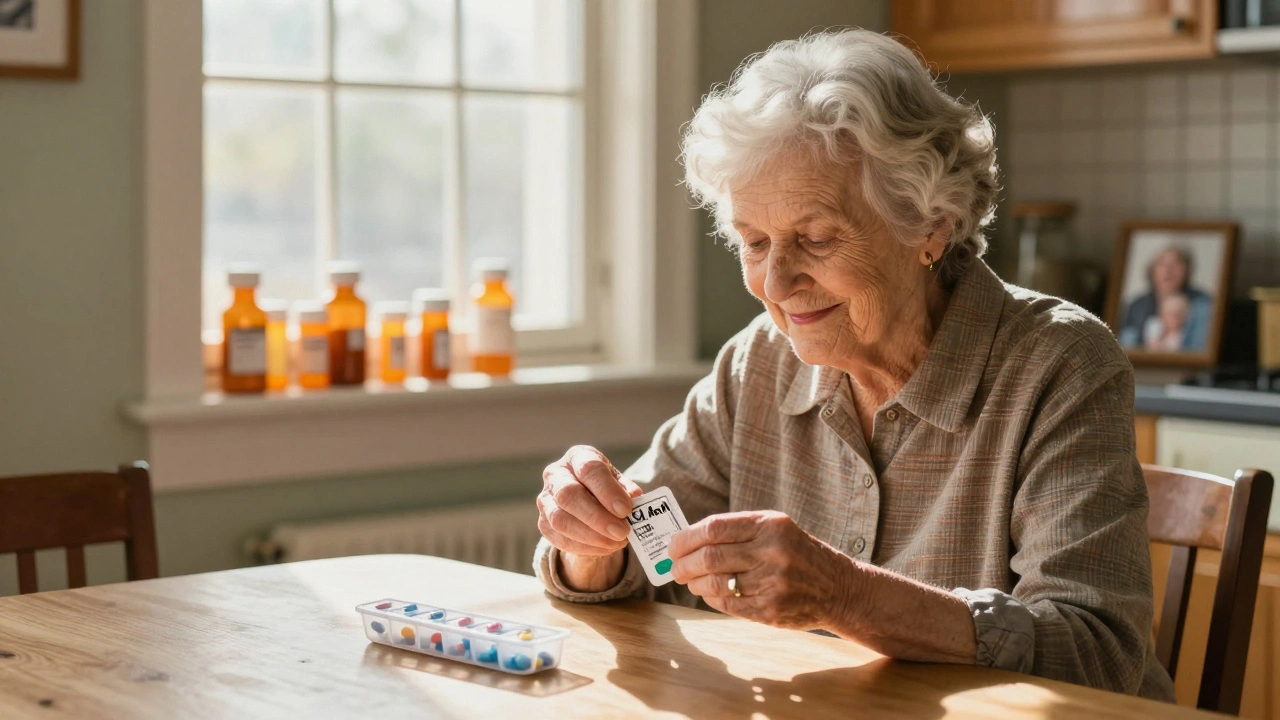
How to Use Blister Packs and Pill Organizers to Prevent Medication Mistakes
Blister packs and pill organizers help prevent dangerous medication mistakes by organizing doses clearly by day and time. Learn how each works, which is better for complex regimens, and how to get started safely.
Read