
Allergic Conjunctivitis: Causes, Treatments, and How Antihistamines Help
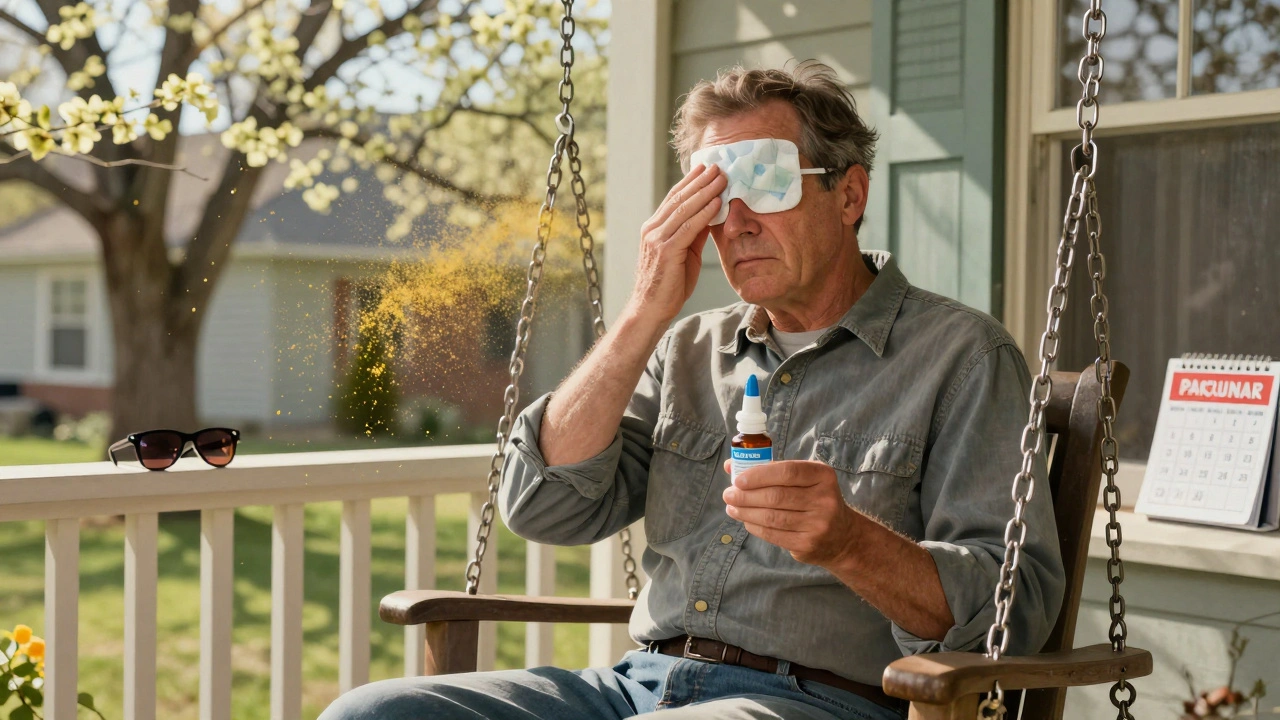
When your eyes turn red, itchy, and watery during pollen season or after using a new lotion, you’re likely dealing with allergic conjunctivitis, an inflammation of the eye’s surface triggered by allergens like pollen, dust, or pet dander. Also known as ocular allergies, it’s not contagious—but it can feel unbearable. Unlike infections, allergic conjunctivitis isn’t caused by bacteria or viruses. It’s your body’s overreaction to something harmless, flooding your eyes with histamine and triggering swelling, itching, and tearing.
This condition often shows up alongside other allergies—like hay fever or eczema—and can be confused with pink eye. But here’s the difference: if both eyes are affected at once, it’s probably allergic. If only one eye is red and crusty, it’s more likely an infection. The most common triggers? Outdoor allergens like grass and tree pollen in spring and fall, indoor ones like dust mites and mold year-round, and even cosmetics or skincare products. That’s where azelastine, a targeted antihistamine nasal spray and eye drop used for allergic eye and skin reactions comes in. It blocks histamine right at the source, offering relief in minutes without the drowsiness of older antihistamines like Benadryl.
First-generation antihistamines, while cheap and widely available, often cause dry mouth, blurred vision, and even urinary issues because they cross into the brain and affect other systems. Second-generation options like azelastine and levocetirizine are designed to stay out of the brain, making them safer for daily use. Many people don’t realize that using the wrong eye drop—like one with a decongestant—can make symptoms worse over time. The real solution isn’t just masking the itch; it’s stopping the reaction before it starts.
If you’ve ever reached for an OTC eye drop that burned more than it helped, you’re not alone. The key is matching the treatment to the trigger. For seasonal allergies, starting medication before pollen season hits makes a big difference. For cosmetic reactions, switching to fragrance-free products can cut flare-ups by half. And if you’re on blood pressure meds or taking supplements like yohimbe, watch out—some combinations can worsen eye dryness or raise pressure. You don’t need to suffer through every spring. There are smarter, safer ways to manage this.
Below, you’ll find real-world guides on how antihistamines like azelastine work, why some allergy meds cause more side effects than others, and how to avoid common mistakes when treating itchy eyes. Whether you’re dealing with seasonal flares, makeup reactions, or just tired of rubbing your eyes, the right info can turn frustration into relief.
- 2/Dec/2025
- by William Womack
-
 eye allergies
antihistamine eye drops
itchy eyes
allergic conjunctivitis
red eyes
eye allergies
antihistamine eye drops
itchy eyes
allergic conjunctivitis
red eyes
Eye Allergies: Itching, Redness, and the Best Antihistamine Drops for Relief
Itchy, red eyes from allergies? Learn how antihistamine eye drops like Pataday and Zaditor work, which ones are best, what to avoid, and how to use them right for fast, lasting relief.
ReadLatest Posts