Orange Book Patents: What They Are and How They Affect Generic Drugs
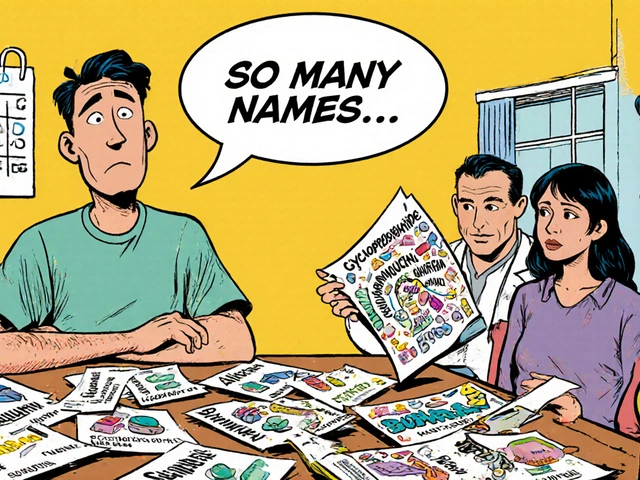
When you pick up a generic pill at the pharmacy, you might not realize it’s the result of a complex legal and regulatory process tracked in something called the Orange Book, the FDA’s official list of approved drug products with therapeutic equivalence evaluations. Also known as Approved Drug Products with Therapeutic Equivalence Evaluations, the Orange Book is the public record that shows which drugs are approved, who owns the patents, and when competitors can legally sell cheaper versions. This isn’t just bureaucratic paperwork—it directly affects how fast you get access to low-cost medications.
The Orange Book, the FDA’s official list of approved drug products with therapeutic equivalence evaluations. Also known as Approved Drug Products with Therapeutic Equivalence Evaluations, it is the public record that shows which drugs are approved, who owns the patents, and when competitors can legally sell cheaper versions. The patent listings, the specific intellectual property claims filed by brand-name drugmakers to block generic competition inside it are what determine whether a generic version can launch. If a patent is listed and still active, no generic can legally enter the market—even if it’s chemically identical. But once that patent expires or is challenged successfully, the door opens. That’s why you see new generic versions of popular drugs pop up every few years. The FDA, the U.S. agency responsible for regulating drugs, medical devices, and food safety doesn’t just approve drugs—it also enforces the rules around who gets to sell them and when.
These patent listings aren’t just about money—they shape real-world access. For example, if a brand-name drug has multiple patents covering different uses, delivery methods, or formulations, the maker can extend its monopoly beyond the original patent term. That’s called “evergreening,” and it’s why some generics take years longer to appear. But the Orange Book also gives generic companies a roadmap: they can file a certification saying a patent is invalid or won’t be infringed, triggering a legal showdown that often leads to early market entry. This is why you’ll find articles here about generic drug safety, side effects, and how they compare to brand names—they’re all connected to the patent timeline tracked in the Orange Book.
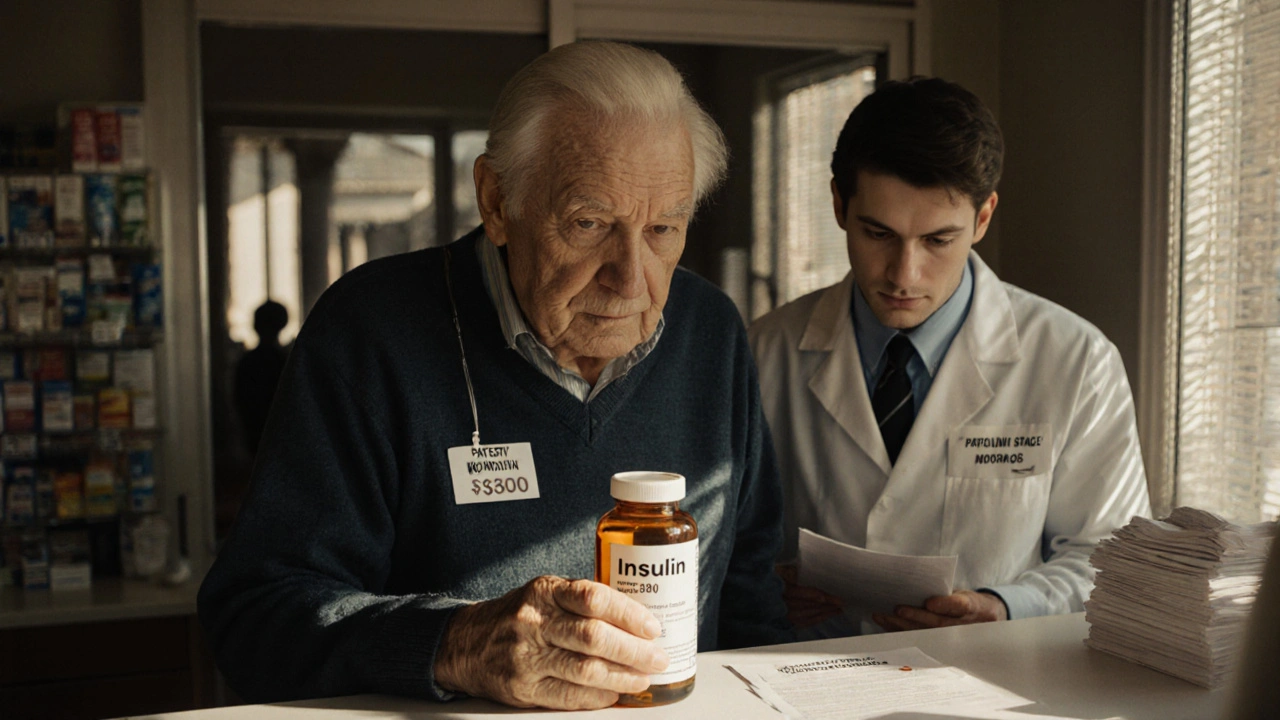
What you’ll find in the posts below are real examples of how this system plays out: why some generics work just as well as brand drugs, when rare side effects pop up after a new generic hits the market, and how OTC meds or supplements might interact with drugs still under patent protection. You’ll see how drug interactions, side effects, and even herbal supplements like yohimbe tie back to whether a drug is still protected or has become generic. The Orange Book doesn’t tell you how a pill feels in your stomach—but it does explain why you can buy it for $5 instead of $50.
- 10/Nov/2025
- by William Womack
-
 generic drug patent litigation
Hatch-Waxman Act
Orange Book patents
pay-for-delay settlements
Paragraph IV certification
generic drug patent litigation
Hatch-Waxman Act
Orange Book patents
pay-for-delay settlements
Paragraph IV certification
Litigation in Generic Markets: How Patent Disputes Delay Affordable Medicines
Patent litigation in generic drug markets is delaying affordable medicines. Learn how the Hatch-Waxman Act, Orange Book listings, and serial lawsuits are shaping access to generics-and what’s being done to fix it.
ReadLatest Posts