Itchy Eyes: Causes, Treatments, and What to Avoid
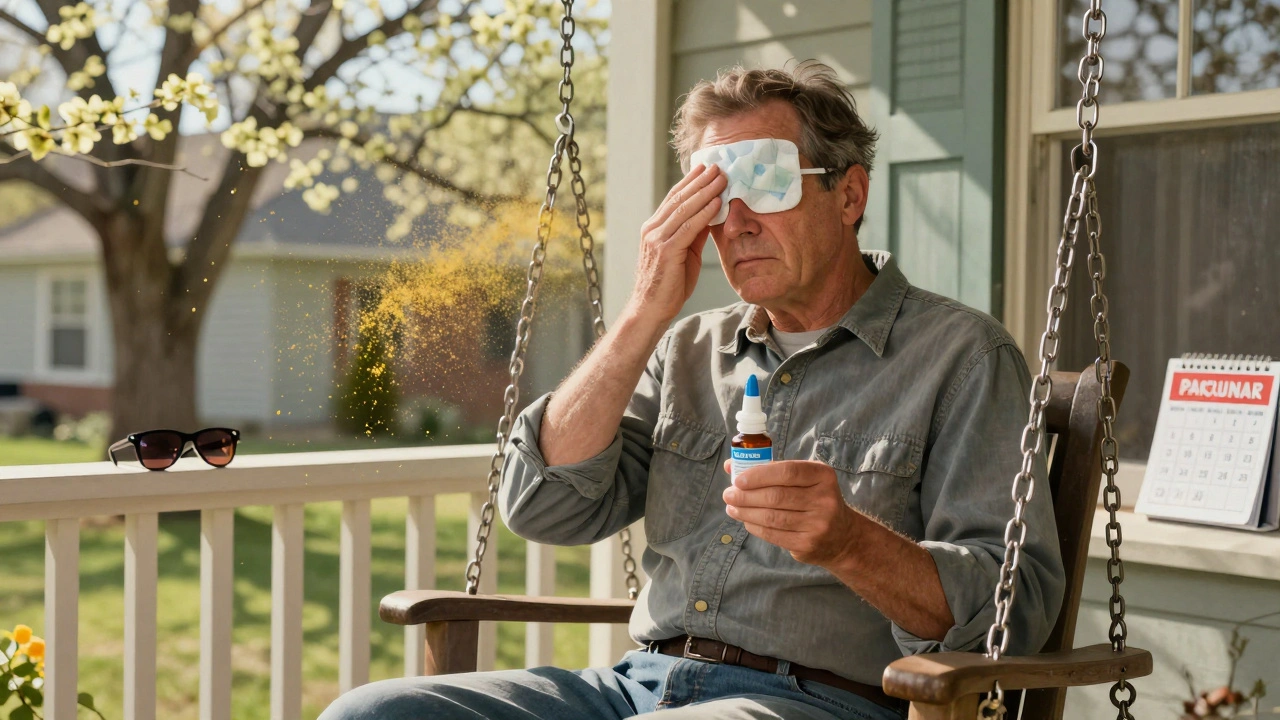
When your eyes start itching, it’s rarely just a minor annoyance—it’s your body’s signal that something’s off. Itchy eyes, a common symptom caused by irritation, allergies, or dryness. Also known as ocular pruritus, it’s one of the most frequent reasons people visit eye care providers. Most of the time, it’s not an infection. It’s your immune system overreacting to pollen, pet dander, or even your own tears drying out too fast.
Allergic conjunctivitis, an inflammation of the eye’s surface triggered by allergens is the top culprit. Think seasonal allergies, dust mites, or new makeup. It’s not contagious, but it can feel unbearable—especially when your eyes water, swell, and feel gritty. Then there’s dry eyes, a condition where your eyes don’t produce enough tears or the tears evaporate too quickly. This isn’t just about being in an air-conditioned room. Screen time, aging, and certain meds like antihistamines or blood pressure pills can strip your eyes of natural moisture. And here’s the catch: people often treat dry eyes with the same drops they use for allergies, making it worse.
Antihistamines, medications that block histamine to reduce allergy symptoms are everywhere—pills, eye drops, nasal sprays. But first-generation ones like diphenhydramine (Benadryl) can dry out your eyes even more. That’s why second-gen options like loratadine or azelastine nasal spray (used off-label for eye allergies) are smarter choices. Azelastine doesn’t just calm the itch—it targets the allergic response right at the source. And if you’re using OTC redness-relief drops like Visine? Stop. They shrink blood vessels temporarily, then cause rebound redness and worse itching when they wear off.
Itchy eyes don’t always mean allergies. Contact lens wearers get them from buildup. Makeup, skincare products, and even hair spray can trigger reactions. If you’ve switched brands recently, that’s likely the trigger. Rubbing your eyes sounds natural—but it’s the worst thing you can do. It releases more histamine, damages the surface, and can even scratch your cornea. Cold compresses help. So does rinsing with sterile saline. And if it lasts more than a few days, or you notice vision changes, discharge, or pain, you’re not dealing with a simple allergy. That’s when you need to rule out infections, autoimmune issues, or even early signs of something like Sjögren’s syndrome.
The posts below cover everything from how to tell if your itchy eyes are from cosmetics or pollen, to why some allergy meds make your eyes drier, to what actually works when over-the-counter drops fail. You’ll find real advice on switching medications, avoiding hidden irritants, and understanding when it’s time to see a doctor—not just reach for another bottle of drops.
- 2/Dec/2025
- by William Womack
-
 eye allergies
antihistamine eye drops
itchy eyes
allergic conjunctivitis
red eyes
eye allergies
antihistamine eye drops
itchy eyes
allergic conjunctivitis
red eyes
Eye Allergies: Itching, Redness, and the Best Antihistamine Drops for Relief
Itchy, red eyes from allergies? Learn how antihistamine eye drops like Pataday and Zaditor work, which ones are best, what to avoid, and how to use them right for fast, lasting relief.
Read