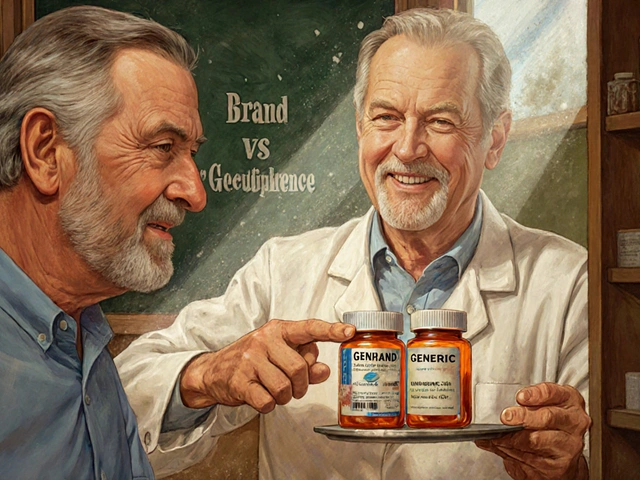
FDA Bioequivalence: What It Means for Generic Drugs and Your Health
When you pick up a generic pill at the pharmacy, you might wonder: FDA bioequivalence, the scientific standard that proves a generic drug performs the same way in the body as its brand-name counterpart. Also known as therapeutic equivalence, it’s the reason your $5 generic works just as well as the $50 brand. The FDA doesn’t just accept claims—it demands proof. For a generic to get approved, it must release the same amount of active ingredient into your bloodstream at the same rate as the original. That’s not guesswork. It’s controlled studies with real people, measuring blood levels over time.
This isn’t just about cost. ANDA approval, the application process for generic drugs under the Hatch-Waxman Act, is built on bioequivalence. Without it, no generic gets on the shelf. And when you switch from brand to generic—like going from Lipitor to atorvastatin—you’re relying on this system to keep your treatment stable. The FDA requires generics to match the brand within 80% to 125% of its blood concentration. That’s tight. It’s not a ballpark figure. It’s a medical standard.
Some people worry that generics are cheaper because they’re weaker. That’s not true. generic drugs, medications with the same active ingredient, strength, dosage form, and route of administration as the brand, go through the same rigorous manufacturing checks. The difference isn’t in the medicine—it’s in the packaging, color, and price. You’ll find this proven again and again in posts about switching to authorized generics, mail-order pharmacy quality, and why generics aren’t copies but exact matches.
But bioequivalence isn’t foolproof for every drug. For narrow-therapeutic-index meds—like warfarin or levothyroxine—small changes in absorption can matter more. That’s why some doctors still recommend sticking with brand in those cases. But for the vast majority of drugs, bioequivalence means you’re getting the same effect, same safety, same results. And you’re paying a fraction.
What you’ll find here isn’t theory. It’s real-world insight from people who’ve switched meds, tracked side effects, compared prices, and questioned whether their generic really worked. You’ll read about how the FDA approves generics in 2025, what happens when patent fights delay access, how to spot an authorized generic, and why some people report different reactions—even when the science says they should be identical. These aren’t isolated stories. They’re part of a system built on bioequivalence, and understanding it helps you make smarter, safer choices.
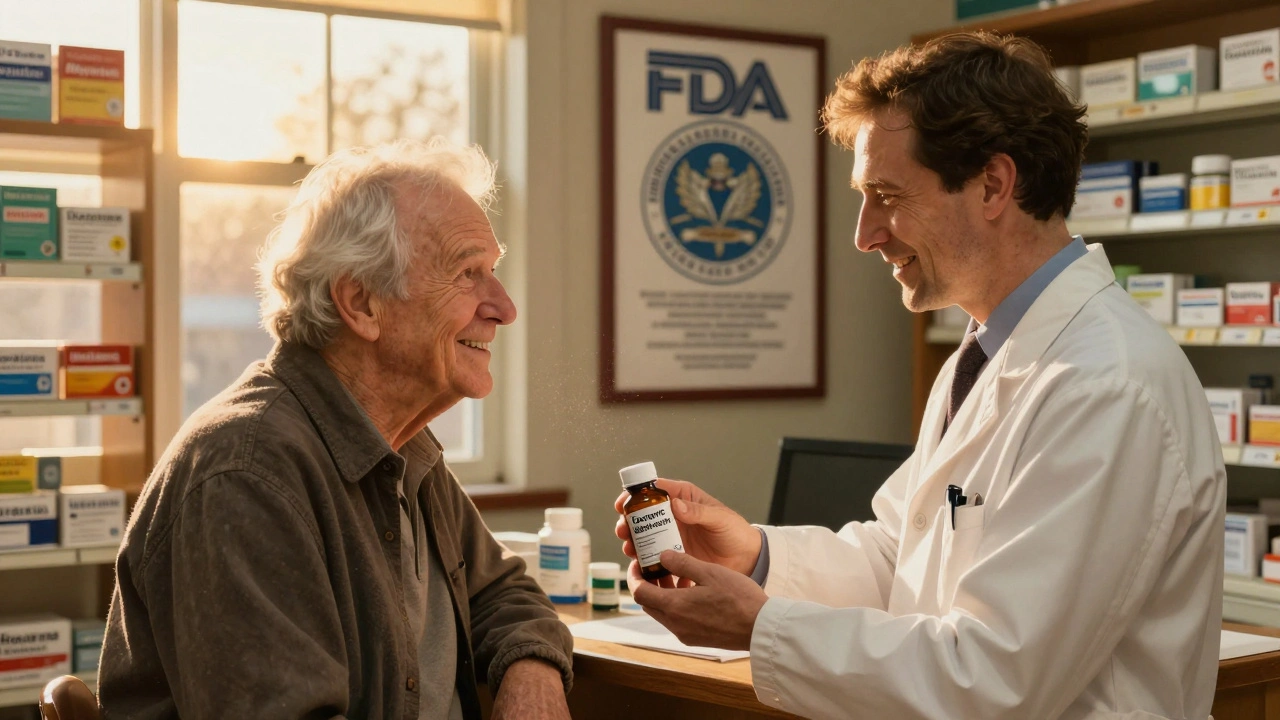
- 7/Dec/2025
- by William Womack
-
 generic drug standards
FDA generic requirements
generic drug testing
FDA bioequivalence
generic drug approval
generic drug standards
FDA generic requirements
generic drug testing
FDA bioequivalence
generic drug approval
Generic Drug Quality Standards: FDA Requirements and Testing Explained
FDA-approved generic drugs must meet the same quality, strength, and effectiveness standards as brand-name drugs. Learn how bioequivalence testing, manufacturing rules, and strict reviews ensure generics are safe and reliable.
Read
- 29/Nov/2025
- by William Womack
-
bioequivalence testing
generic drugs
brand name drugs
generic vs brand
FDA bioequivalence
Bioequivalence Testing for Generic Drugs: What It Really Proves
Bioequivalence testing proves generic drugs deliver the same active ingredient at the same rate and amount as brand-name versions. It’s the science behind why generics work just as well-and cost far less.
Read