

Probiotic Timing & Safety Planner
Step 1: Safety Check
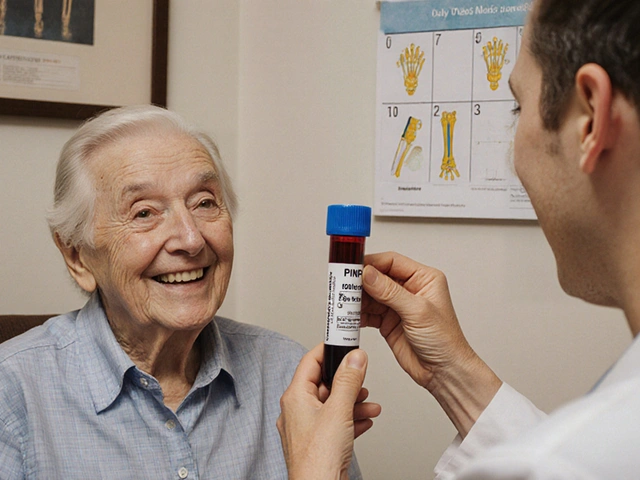
Before planning your regimen, confirm your health status. Probiotics carry risks for specific populations.
If you have a severely suppressed immune system, chronic liver disease, or recent heart surgery, consult your doctor before starting any probiotic supplement. Risks include sepsis or infection from the bacteria itself.
Step 2: Schedule Planning
Rule: Keep a 2-3 hour gap between antibiotic and probiotic intake.
Quick Tips
Aim for 1–10 Billion CFUs daily.
Take throughout antibiotic course plus 1–2 weeks after.
Check label. Some require refrigeration.
Selected Strain Details
Selection pending...
Starting a course of antibiotics often feels like a trade-off. You get rid of the infection, but your stomach pays the price. Diarrhea, bloating, and cramping are annoying companions to recovery, affecting anywhere from 5% to 30% of people taking these medications. While you cannot stop the antibiotic from working, you might be able to protect your gut lining from the collateral damage. Using probiotics during antibiotic therapy has become a popular strategy to mitigate gastrointestinal side effects, but navigating which ones work and how to take them safely requires more than just buying any bottle off the shelf.
The connection between antibiotics and gut distress isn't just anecdotal; it is biological fact. When you take Antibiotics are powerful medications designed to kill bacteria causing infections, they rarely distinguish between the 'bad' bugs making you sick and the trillions of 'good' bacteria living in your gut. This disruption can lead to Antibiotic-Associated Diarrhea (AAD). In severe cases, it allows dangerous pathogens like Clostridioides difficile, a bacterium that causes serious intestinal inflammation, to overgrow. Clinical data suggests that specific interventions can significantly lower this risk. A major analysis by the Cochrane Library found that using probiotics reduced the risk of C. difficile infection in high-risk groups by roughly 70%. For most healthy individuals, the primary goal remains preventing that uncomfortable loose stool that ruins daily plans.
How Probiotics Protect the Gut Microbiome
To understand why Probiotics are live microorganisms that, when administered in adequate amounts, confer a health benefit on the host, we first need to look at what happens in your gut. Your digestive system is home to over 100 trillion bacteria known collectively as the Gut Microbiome constitutes the community of microorganisms living in the intestines. These microbes help digest food, regulate immunity, and crowd out harmful invaders. Antibiotics act like a broad-spectrum weedkiller, stripping away both the weeds and the flowers. Introducing probiotics acts like replanting seeds in a garden after a storm.
However, not all probiotics are created equal. The science points toward specific strains having distinct roles in survival and colonization. While food sources like yogurt contain beneficial bacteria, the doses are often too low to counteract a strong antibiotic course. Supplements allow for higher concentrations, typically measured in Colony-forming units (CFUs) measure the quantity of viable bacteria in a sample. During treatment, experts generally recommend dosages ranging from 1 billion to 10 billion CFUs daily. It is important to note that the benefit isn't always immediate. You might experience temporary increased gas or bloating as your body adjusts to the influx of new bacteria. This is usually short-lived, resolving within a few days as the ecosystem stabilizes.
Selecting the Most Effective Strains
One of the biggest challenges for patients is choosing the right product. The label 'probiotic' covers hundreds of different bacterial species. Research highlights a few standouts that have been rigorously tested for antibiotic-induced issues. Lactobacillus rhamnosus GG is a specific strain known for reducing diarrhea risk is frequently cited in meta-analyses as highly effective. Another key player is Saccharomyces boulardii is a beneficial yeast rather than a bacteria. Unlike bacterial probiotics, S. boulardii is unaffected by antibiotics because it is a fungus, meaning it won't be killed by the medication you are taking alongside it.
| Strain Name | Type | Best For | Typical Dosage | Key Benefit |
|---|---|---|---|---|
| L. rhamnosus GG | Bacteria | Preventing Diarrhea | 5-10 Billion CFUs | Strong clinical evidence |
| Saccharomyces boulardii | Yeast | C. Diff Prevention | 250-500mg Capsule | Not killed by antibiotics |
| Lactobacillus casei | Bacteria | General Support | 1 Billion CFUs | Immune function support |
| Bifidobacterium lactis | Bacteria | Digestive Health | 1 Billion CFUs | Maintenance of flora |
Multi-strain formulations are also popular in the market, accounting for a large portion of sales. Some studies suggest these combinations provide broader coverage, while others indicate that single strains have more predictable results. The choice often depends on availability and cost. Regardless of whether you choose a single strain or a blend, checking the Certificate of Analysis or looking for third-party testing labels (like NSF or USP) ensures you are getting what the bottle claims. Quality control in the supplement industry varies widely, so transparency from the manufacturer is crucial.

Timing and Dosing Strategies for Maximum Impact
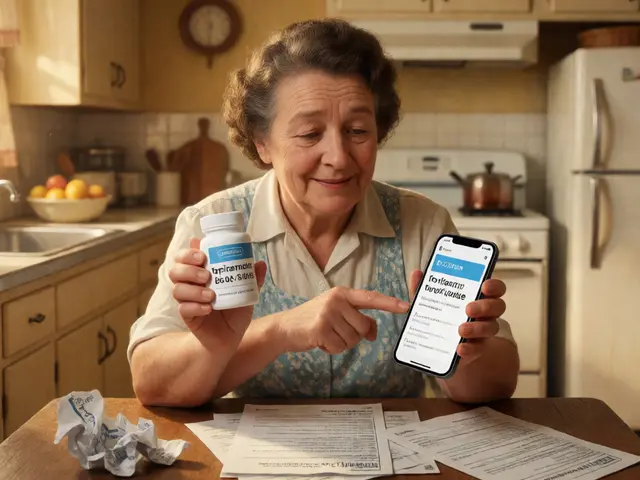
If you buy the right strain, taking it at the wrong time renders it useless. Since Antibiotics work by destroying cell walls or inhibiting growth, they will inevitably kill any probiotic bacteria present in the stomach at the same time. To bypass this, you need to separate the doses. The general rule of thumb recommended by clinicians is to wait at least two to three hours between taking your antibiotic pill and your probiotic capsule. This separation gives the antibiotic enough time to pass through the stomach before the beneficial bacteria arrive.
Consider setting a routine that integrates well into your day. If you take your antibiotic breakfast, lunch, and dinner, schedule your probiotics shortly before your other meals or before bed. Some acid-resistant strains are formulated to survive stomach acid and can be taken on an empty stomach, while others need food to reach the intestines intact. Always read the packaging directions for specific storage needs as well; some require refrigeration to stay viable, while shelf-stable capsules use protective coating technologies. Consistency is key-taking them sporadically offers little protection. Continue the regimen throughout the entire course of antibiotics and ideally for one to two weeks afterward to help rebuild the microbial population fully.

Safety Considerations and Regulatory Gaps
While generally safe for the majority of healthy adults, probiotics carry risks for specific populations. The most critical warning applies to Immunocompromised Patients have weakened immune systems making them vulnerable to infection. Individuals with severely suppressed immune function, those with short bowel syndrome, or critically ill patients run a small but real risk of systemic infection from the bacteria itself. There have been documented cases of sepsis and endocarditis linked to probiotic use in these vulnerable groups. If you have had recent heart surgery, have chronic liver disease, or are undergoing chemotherapy, consult your doctor before adding a supplement.
The regulatory landscape adds another layer of complexity. In many regions, including the United States, probiotics are marketed as Dietary Supplement is regulated under laws like DSHEA which differ from pharmaceutical standards. This means manufacturers do not need to prove efficacy or safety to regulators before selling products. Studies like those from ConsumerLab have found that a significant percentage of supplements do not contain the number of live organisms listed on the label. Third-party verification helps bridge this trust gap. Organizations like the International Scientific Association for Probiotics and Prebiotics (ISAPP) provides educational resources on strain selection publish guidelines that help clinicians and consumers navigate the noise. Being aware of these gaps empowers you to choose quality products rather than relying solely on brand marketing.
Can I just eat yogurt instead of taking supplements?
While yogurt contains beneficial bacteria, the amount of live cultures is much lower than in supplements. To get a therapeutic dose effective against antibiotic side effects, you would likely need to consume several servings of yogurt daily, which may not be practical. Supplements offer concentrated doses of specific strains proven in clinical trials.
When should I start taking probiotics?
Ideally, you should start taking the probiotic a day or two before starting your antibiotic prescription. This helps build up the good bacteria levels in your gut before the antibiotics begin their aggressive cleansing process. If you forgot, start immediately upon beginning antibiotics, maintaining the 2-3 hour gap.
Are there side effects from taking probiotics?
Some people experience mild bloating, gas, or thirst when first starting probiotics. These symptoms are usually temporary as your body adjusts. If symptoms persist or worsen, discontinue use. Rarely, serious reactions can occur in immunocompromised individuals.
How long should I continue after finishing antibiotics?
It is recommended to continue taking probiotics for at least one to two weeks after finishing the antibiotic course. This helps re-establish a stable gut microbiome. Long-term maintenance dosing is optional and depends on your digestion needs.
Do probiotics really prevent C. diff infections?
Research, including Cochrane reviews, indicates that certain strains like S. boulardii and LGG can reduce the incidence of C. difficile infection, particularly in hospitalized or high-risk patients. However, for healthy outpatient users, the main benefit is preventing general antibiotic-associated diarrhea.



Comments
Tony Yorke
26/Mar/2026timing is everything just separate doses by hours or nothing works
Sabrina Herciu
26/Mar/2026It is crucial to understand the specific strain mechanisms!! Not all probiotics survive the gastric acid barrier properly!! You really need to check the CFU count on the label carefully!! Some brands exaggerate their numbers significantly!! Always look for third-party testing certifications like USP or NSF!! These badges guarantee what you see matches reality!! Storage conditions also play a massive role in viability!! Refrigerated strains often lose potency quickly without cooling!! Room temperature capsules usually have better protective coating tech!! You should start taking these a day before antibiotics begin ideally!! Consistency throughout the course is absolutely vital for results!! Do not stop once symptoms subside prematurely!! Finish the full week after finishing pills!! Check expiration dates every single time you open the bottle!! Immunocompromised folks need doctor clearance before trying this!! Sepsis risks are real for certain patient groups!! Always consult your physician before starting supplements!! Safety protocols cannot be overstated in this context!! Keep reading the labels diligently everyone!!
Rachael Hammond
26/Mar/2026i totally get what u r saying abt the timing part tho its hard to stick to when ur busy working all day sometimes just do the best u can though right maybe its the mind set more than exact hours brb gonna go check my yogurt stock lol
Jeannette Kwiatkowski Kwiatkowski
26/Mar/2026most people ignore the nuance regarding specific yeast species which defeats the entire purpose obviously average consumers just want a magic bullet pill instead of doing research on clinical trials for specific strains i find it fascinating how marketing overrides science in health sections of supermarkets constantly
Aaron Olney
26/Mar/2026THIS IS SO TRUE!!! im freaking out about my gut lately anyway so much pain honestly feels like war zone inside belly wtf why does medicine hurt normal cells also just scared of getting sick again so please god let this work for me plz help
Philip Wynkoop
26/Mar/2026just tryna keep things calm yall remember we all heal differently :) good info above thanks for sharing tips :)
Richard Kubíček
26/Mar/2026I think the core issue is viewing our microbiome as a separate entity rather than an integrated partner in life. When we disrupt the balance with necessary treatments nature seeks equilibrium again through various signals we interpret as discomfort. It is beautiful to see how simple organisms maintain such complex order within us. We should approach supplementation with gratitude for the tools available to restore harmony. Every dose is an investment in future resilience against pathogens. Patience remains the greatest virtue in healing processes overall.
Sarah Klingenberg
26/Mar/2026hey there friend take a deep breath u r stronger than u know 💪 lots of people find relief with the right strain combinations just be kind to yr body 🥰 patience is key in recovery journeys always 🌈
Shawn Sauve
26/Mar/2026good points everyone appreciate the detailed breakdown here 👍 safety first always 👏