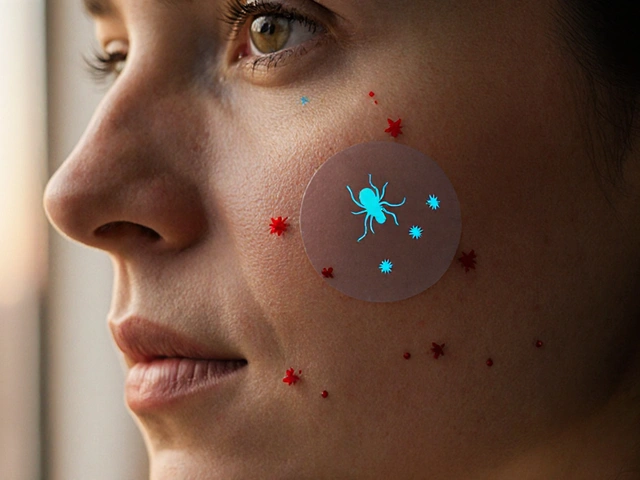
Statin Side Effects: What You Need to Know Before You Take Them
When you start taking a statin, a class of drugs used to lower LDL cholesterol and reduce heart attack risk. Also known as HMG-CoA reductase inhibitors, these medications are among the most prescribed in the world because they work — for most people. But if you’ve felt muscle soreness, fatigue, or just "off" after starting one, you’re not alone. Many assume these are just normal side effects you have to live with. But that’s not always true.
Not all statin side effects are the same. The most common is muscle pain, ranging from mild soreness to severe weakness that can interfere with walking or climbing stairs. It’s not just in your head — studies show up to 10% of people report it, and in some cases, it’s linked to a drop in Coenzyme Q10, which muscles need to function. Then there’s liver enzyme changes, a lab finding that doesn’t always mean damage, but needs checking. And yes, some people get digestive issues, sleep problems, or even brain fog. But here’s the catch: many of these symptoms show up in people who aren’t even on statins. So how do you know if it’s the drug?
The real issue isn’t whether statins cause side effects — it’s whether they’re the right fit for you. Some people tolerate them perfectly. Others can’t take even the lowest dose. Your age, gender, kidney function, and other meds you’re on all play a role. If you’re on a statin and feeling worse, don’t just push through. Talk to your doctor about switching to a different statin, lowering the dose, or trying non-statin options like ezetimibe or PCSK9 inhibitors. And if you’ve quit statins because of side effects, you might be surprised to learn that in many cases, going back on a lower dose or a different type actually works fine.
What you’ll find below isn’t just a list of symptoms. It’s a practical guide to understanding what’s real, what’s exaggerated, and what you can actually do about it. From how to tell if your muscle pain is statin-related to why some people react differently than others — these posts give you the facts without the hype. You’ll see how timing, diet, and other medications interact with statins. You’ll learn what to ask your doctor when your labs look odd. And you’ll find out when it’s safe to stop — and when it’s not.

- 6/Dec/2025
- by William Womack
-
 statins and diabetes
statin blood sugar
statin diabetes risk
statin side effects
high cholesterol medication diabetes
statins and diabetes
statin blood sugar
statin diabetes risk
statin side effects
high cholesterol medication diabetes
Statins and Diabetes: What You Need to Know About Increased Blood Sugar
Statins can slightly raise blood sugar and increase diabetes risk in some people, especially those with prediabetes or obesity. But for most, the heart protection they offer far outweighs this small risk. Learn how to manage it.
Read
- 21/Nov/2025
- by William Womack
-
vitamin D
statin tolerance
statin side effects
muscle pain statins
vitamin D deficiency
Vitamin D and Statin Tolerance: What the Evidence Really Says
Does low vitamin D cause statin muscle pain? New evidence says no-but fixing a deficiency still matters for your overall health. Here's what the science really shows.
ReadLatest Posts