

Statins Blood Sugar Calculator
Your Blood Sugar Impact Estimate
After statin therapy:
For millions of people, statins are a daily pill that keeps their heart healthy. They lower bad cholesterol, reduce plaque in arteries, and prevent heart attacks and strokes. But for some, there’s a quiet side effect that catches them off guard: their blood sugar starts creeping up. It’s not a myth. It’s not rare. And it’s not something you can ignore - especially if you’re already at risk for diabetes.
How Statins Can Raise Blood Sugar
Statins work by blocking an enzyme your liver uses to make cholesterol. That’s good for your heart. But that same enzyme is part of a bigger system - one that also helps your body handle insulin and glucose. When statins interfere, they don’t just lower cholesterol. They also nudge your blood sugar higher.
Research from Oxford Population Health shows that statins cause a small but real rise in blood sugar levels. It’s not dramatic - maybe a few points on your fasting glucose test. But for someone already hovering near the diabetes threshold, that small jump can push them over. Think of it like a scale that’s barely balanced. A statin adds a tiny weight. For most, it doesn’t tip. For some, it does.
Studies tracking over 8,700 people found that those taking statins had a 46% higher chance of developing type 2 diabetes over six years. Why? Two main reasons: insulin resistance and reduced insulin production. Your body becomes less sensitive to insulin, so glucose stays in your blood longer. At the same time, your pancreas struggles to make enough insulin to compensate. It’s a double hit.
Not All Statins Are the Same
Some statins carry more risk than others. High-dose atorvastatin (40-80 mg) and rosuvastatin (20-40 mg) are the biggest offenders. They’re powerful at lowering cholesterol - which is why doctors prescribe them to high-risk patients. But that power comes with a metabolic cost.
Lower-dose statins like pravastatin or fluvastatin show much less impact on blood sugar. In fact, some studies suggest pravastatin might be neutral. If you’re at risk for diabetes - say, you have prediabetes, extra belly fat, or high triglycerides - your doctor might choose a gentler statin. It’s not about avoiding statins. It’s about choosing the right one.
Who’s Most at Risk?
If you’re young, lean, and healthy, statins are unlikely to trigger diabetes. But if you already have metabolic warning signs, your risk goes up. These include:
- Prediabetes (fasting glucose between 100-125 mg/dL)
- Waist size over 40 inches for men or 35 inches for women
- High triglycerides and low HDL cholesterol
- High blood pressure
- Family history of type 2 diabetes
- History of gestational diabetes
People with these traits already have insulin resistance. Statins can make it worse. That’s why doctors check your HbA1c and fasting glucose before starting statins - especially if you’re over 40 and overweight.
The Numbers Don’t Lie - But They Don’t Tell the Whole Story
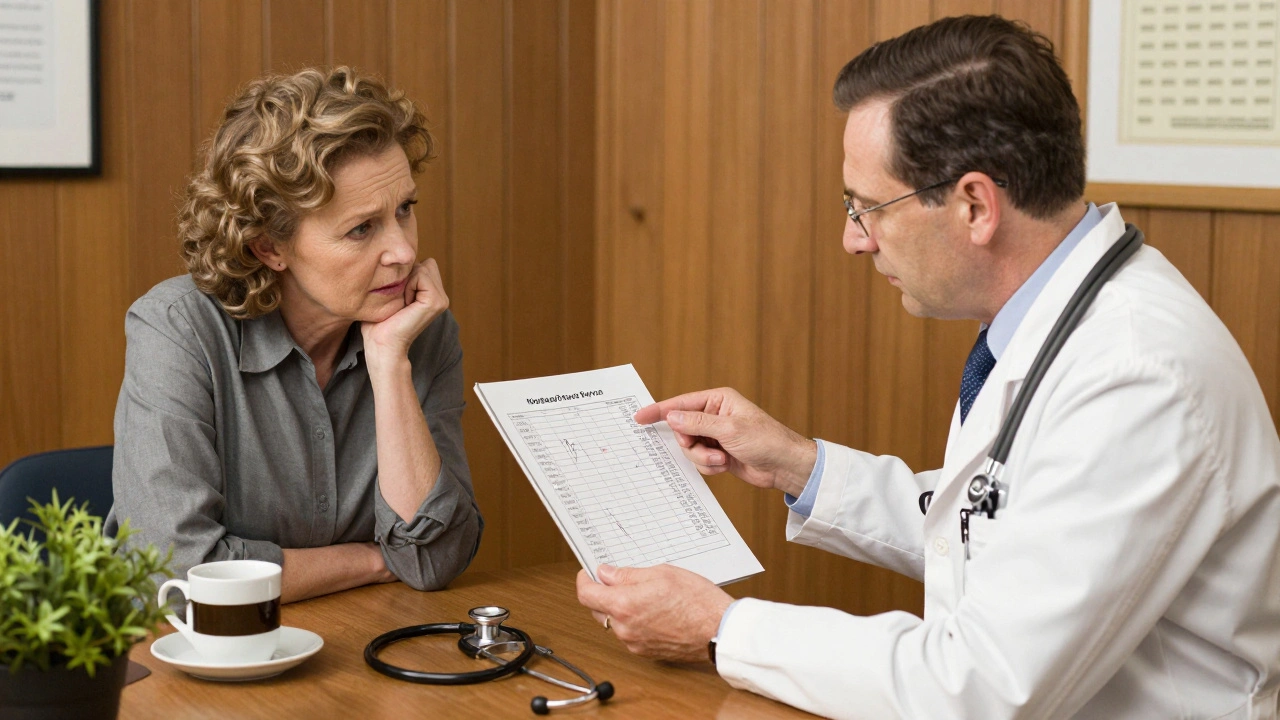
Let’s say you’re on a high-intensity statin. Your risk of developing diabetes increases by about 0.2% per year. Sounds scary? Now consider this: in the same time, your risk of having a heart attack or stroke drops by about 1.5%. That’s a seven-to-one benefit-to-risk ratio.
For someone who’s had a heart attack, had a stent placed, or has diabetes already, the math is even clearer. Skipping statins to avoid a small diabetes risk is like refusing a seatbelt because you’re worried about being slightly more uncomfortable.
But here’s the catch: if you’re young, healthy, and only taking statins for primary prevention - meaning you’ve never had heart disease - that balance matters more. That’s when monitoring becomes critical.
What You Should Do If You’re on Statins
You don’t need to panic. But you do need to be smart.
- Get tested before you start. Ask for fasting glucose and HbA1c. This gives you a baseline.
- Test again after 3-6 months. If your numbers rise, it’s not necessarily because of the statin - but it’s worth checking.
- Watch your weight and diet. Losing even 5% of your body weight can reverse insulin resistance. Cut back on sugar, refined carbs, and processed foods. Focus on vegetables, lean protein, and healthy fats.
- Move more. Walking 30 minutes a day, five days a week, improves insulin sensitivity more than most medications.
- Don’t stop your statin. If your blood sugar rises, talk to your doctor. They might switch your statin, lower the dose, or add a diabetes medication. But stopping statins without a plan can be dangerous.
Some patients report needing to start metformin after beginning statins. That’s not a failure. It’s good management. It means your care team is paying attention.

What About People Who Already Have Diabetes?
If you already have type 2 diabetes, statins are still recommended - often strongly. They reduce your risk of heart disease, which is the leading cause of death in people with diabetes.
Studies show that statins can make blood sugar control slightly harder. HbA1c might go up by 0.2% to 0.3%. That’s small, but it matters. Your doctor might adjust your diabetes meds - maybe increase your metformin or add a GLP-1 agonist. Again, the goal isn’t to stop the statin. It’s to manage both conditions together.
The Bigger Picture
Statins are among the most studied drugs in history. Over 35 million Americans take them. And for every 1,000 people on high-intensity statins, about 1-2 extra cases of diabetes happen each year. But during that same time, statins prevent 15-20 heart attacks and strokes.
The American Heart Association, the American Diabetes Association, and the European Atherosclerosis Society all agree: statins save lives. The diabetes risk is real, but it’s small. And it’s manageable.
The future is getting even smarter. Researchers are now looking at genetic markers - like variations in the SLCO1B1 gene - that might predict who’s more likely to get diabetes from statins. In a few years, we might be able to pick the right statin for the right person based on DNA. Until then, the best tools we have are blood tests, lifestyle changes, and honest conversations with your doctor.
Final Thought
Statins aren’t perfect. But they’re one of the few medicines that do something truly remarkable: they prevent death before it happens. If you’re on them, don’t fear the blood sugar rise. Watch it. Manage it. Work with your care team. And remember - the goal isn’t to avoid statins. It’s to live longer, healthier, and with fewer heart problems.
Do statins cause diabetes?
Statins don’t directly cause diabetes, but they can increase blood sugar levels in some people, enough to push them into a diabetes diagnosis. This happens mostly in those already at risk - like people with prediabetes, obesity, or metabolic syndrome. The increase is small, and for most, the heart benefits far outweigh this risk.
Which statins raise blood sugar the most?
High-intensity statins like atorvastatin (40-80 mg) and rosuvastatin (20-40 mg) have the strongest link to increased blood sugar. Lower-intensity statins like pravastatin and fluvastatin show little to no effect. Your doctor can choose a statin based on your heart risk and diabetes risk.
Should I stop taking statins if my blood sugar rises?
No. Stopping statins without medical advice increases your risk of heart attack or stroke. If your blood sugar rises, talk to your doctor. They may switch your statin, lower the dose, or adjust your diabetes treatment. Never stop on your own.
Can lifestyle changes reduce the diabetes risk from statins?
Yes. Losing weight, eating fewer refined carbs, and getting regular exercise - even just 30 minutes of walking daily - can improve insulin sensitivity and offset the small rise in blood sugar from statins. Lifestyle is the most powerful tool you have.
Are there alternatives to statins if I’m worried about diabetes?
For people who can’t tolerate statins or have very high diabetes risk, alternatives like ezetimibe or PCSK9 inhibitors exist. But they’re more expensive and not as effective at preventing heart events. Statins remain the gold standard. The best approach is to use the right statin at the right dose - and manage your lifestyle.





Comments
joanne humphreys
6/Dec/2025Statins are one of the most prescribed drugs in the world for a reason-they save lives. The diabetes risk is real but small, and it’s easily managed with monitoring and lifestyle changes. I’ve seen patients on statins reverse prediabetes just by walking daily and cutting out soda. The math doesn’t lie: you’re trading a manageable risk for a massive reduction in heart attack risk.
Arjun Deva
6/Dec/2025Of course the pharmaceutical companies love this. They know you’ll take the statin and then need metformin, then maybe insulin-three prescriptions instead of one. It’s a profit machine disguised as medicine. They don’t care if you become diabetic-they just want your recurring revenue.
Chris Park
6/Dec/2025Let’s be precise: the 46% increased risk is relative, not absolute. Absolute risk increase is 0.2% per year. That’s less than the risk of being struck by lightning in a given year. Meanwhile, statins reduce cardiovascular mortality by 25-30% in high-risk patients. The data is not ambiguous-it’s overwhelming. Anyone who frames this as a ‘danger’ is either misinformed or deliberately misleading.
Jackie Petersen
6/Dec/2025They don’t tell you this because they’re scared of lawsuits. Big Pharma doesn’t want you to know statins are basically chemical insulin disruptors. It’s all in the fine print. If you’re a woman over 40, you’re basically being set up for diabetes so they can sell you more drugs.
brenda olvera
6/Dec/2025I’m from Mexico and we’ve been eating beans, corn, and veggies for centuries. My abuela never took a statin and lived to 94. Maybe we need to go back to real food instead of popping pills and hoping for the best.
Akash Takyar
6/Dec/2025It is important to recognize that while statins may have an impact on glucose metabolism, the cardiovascular benefits significantly outweigh the potential metabolic drawbacks, particularly in individuals with established risk factors. A proactive, multidisciplinary approach involving nutritionists, endocrinologists, and cardiologists is optimal for patient outcomes.
Max Manoles
6/Dec/2025I started on atorvastatin after my first heart scare. My fasting glucose jumped from 98 to 114 in four months. I was terrified. But I didn’t stop. I switched to pravastatin, started walking 45 minutes a day, and cut out all white bread and candy. Six months later, my glucose was 99 again. The statin didn’t break me-it just showed me where I needed to fix my life. This isn’t a drug problem. It’s a lifestyle mirror.
Nigel ntini
6/Dec/2025Great breakdown. For anyone feeling overwhelmed: this isn’t about fear. It’s about awareness. You don’t need to be perfect-just consistent. One more walk. One less sugary snack. One more blood test. Small steps compound. You’re not fighting the statin-you’re partnering with your doctor to stay alive.
Myles White
6/Dec/2025Look, I get why people are scared-statins are this little white pill that somehow changes your entire metabolic trajectory, and nobody talks about it until your A1c goes up and your doctor says, ‘Oh, you might need metformin now.’ But here’s the thing: if you’re taking a statin for primary prevention, you’re probably already sedentary, eating processed food, and ignoring your waistline. The statin isn’t the villain-it’s the canary in the coal mine. It’s telling you your body’s been screaming for years and you’ve been ignoring it. The real question isn’t ‘Should I stop the statin?’ It’s ‘Why did I wait until now to start taking care of myself?’
Clare Fox
6/Dec/2025i just took my statin and now i feel like my body is a lab experiment. why do we let corporations decide what our bodies can handle? i mean… i guess if you’re rich you can afford the expensive alternatives but most of us just take the pill and hope for the best. it’s weird how we trust medicine so much but never question why it’s so… complicated.