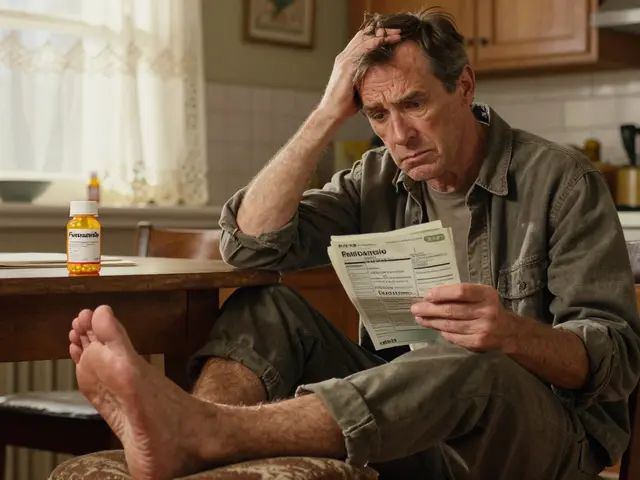

Leaving the hospital is a relief, but it often marks the start of a dangerous gap in care. You walk out with a new stack of prescriptions and a discharge summary that might contradict what your primary care doctor knows about your health. This disconnect isn't just annoying; it’s a major safety risk. Studies show that medication reconciliation errors occur in up to 70% of hospital transitions, leading to unnecessary readmissions and adverse drug events.
Coordinating these plans requires more than just reading the instructions. It demands active communication between you, the hospital team, and your outpatient providers. If you don’t bridge this gap, you risk taking conflicting drugs, missing critical doses, or restarting medications that were intentionally stopped during your stay. Here is how to take control of your medication plan after discharge.
Understanding the Critical Window
The period immediately following hospital discharge is known as the "transitions of care" phase. In healthcare terms, this is governed by quality measures like NQF 0097 (also known as CARE-1). This standard mandates that a patient’s discharge medication list must be compared against their current outpatient regimen within 30 days. Why 30 days? Because this is when most preventable errors happen.
During your hospital stay, doctors often stop chronic medications-like blood pressure pills or anticoagulants-to manage acute conditions. When you leave, those meds need to be restarted correctly. Without formal reconciliation, an estimated 18-50% of medication errors in the post-discharge period go unnoticed. The goal here is simple: ensure every pill you take at home matches what the hospital intended for you to continue.
Step-by-Step: Securing Your Medication List
You cannot coordinate what you do not have. Before you even think about calling your doctor, you need accurate documentation. Hospitals are busy, and discharge summaries can be delayed or incomplete. Take ownership of this step.
- Request the Discharge Summary Immediately: Do not wait for the mail. Ask the discharge planner or nurse for a printed copy of your discharge instructions before you leave. Ensure it lists every medication name, dose, frequency, and reason for use.
- Compile Your Home List: Bring a bottle of every medication you took before admission, including over-the-counter drugs, vitamins, eye drops, and creams. The American Society of Health-System Pharmacists (ASHP) emphasizes that non-prescription items are just as critical because they can interact with new prescriptions.
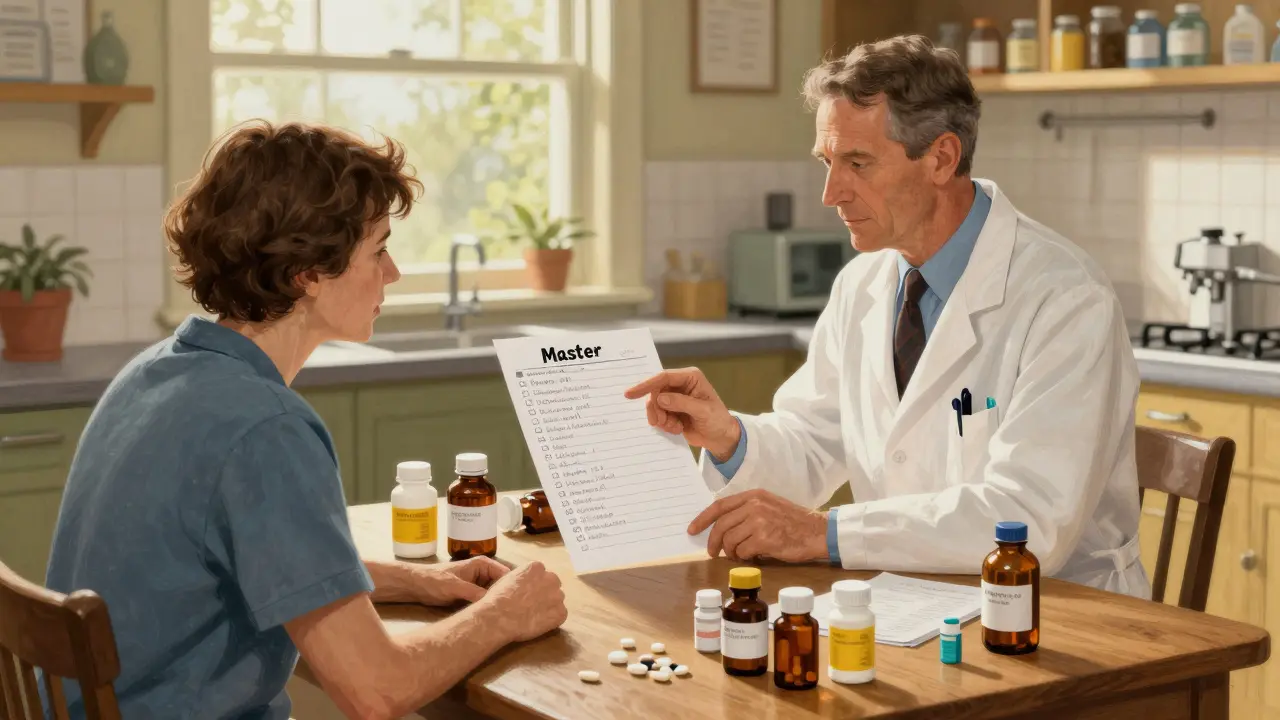
- Create a Master List: On a piece of paper, write down two columns: "Before Hospital" and "After Hospital." Fill in the details from your bottles and the discharge papers. Highlight any changes in red.
If you rely on memory alone, you will likely miss something. Patients often forget to mention herbal supplements or topical ointments, yet these can cause severe interactions with new hospital prescriptions. Having a physical master list gives you a tangible tool to discuss with your providers.
Bridging the Gap Between Providers
The biggest hurdle in post-discharge coordination is siloed communication. Your hospital specialist focused on your heart attack; your primary care physician (PCP) manages your diabetes and hypertension. They rarely talk directly. You are the messenger.
Contact your PCP within 48 hours of discharge. Most practices have a dedicated line for post-hospital follow-ups. When you call, provide them with your Master List. Ask specifically: "Did my hospital discharge medications conflict with my usual routine?"
Be aware of billing constraints that might affect who contacts whom. Under Medicare rules, only one Transitions of Care (TRC) visit can be billed per discharge episode. This means your PCP and a specialist cannot both bill for a comprehensive reconciliation visit for the same event. Sometimes, this leads to confusion about who is responsible. To avoid being left in limbo, explicitly ask your PCP if they have received the hospital records. If not, offer to fax or email your Master List yourself.
The Role of Pharmacists in Safety
Pharmacists are often the unsung heroes of medication safety. Research published in the *Journal of the American College of Clinical Pharmacy* shows that pharmacist-led reconciliation reduces medication discrepancies by nearly 33% compared to standard physician-led approaches. They also cut 30-day readmission rates significantly.
Don’t wait for a scheduled appointment to see a pharmacist. Use community pharmacy services. Many pharmacies now offer post-discharge consultations. A pharmacist can check your new prescriptions against your historical fill data to spot immediate conflicts. For example, they might notice that a new antibiotic interacts with a daily supplement you’ve been taking for years.
If you have complex needs, consider asking your hospital if they offered a referral to a clinical pharmacist service. Some health systems, like Legacy Health, integrate pharmacists into discharge teams to verify scripts are filled and patients understand their regimens. This professional layer of verification adds a safety net that busy doctors often lack the time to provide.
Using Technology to Stay Compliant
Technology can either help or hinder your medication plan. Electronic Health Records (EHRs) are supposed to share data between hospitals and clinics, but fragmentation remains a problem. A 2022 survey found that 68% of hospitals struggle with EHR interoperability. Don’t assume your doctor has seen the hospital’s notes.
To mitigate this, use patient-facing tools. Many top-performing hospitals recommend mobile applications that allow real-time medication updates. These apps can send alerts to your care team when you refill a prescription or report a side effect. Additionally, automated EHR alerts can flag high-risk medication changes, reducing errors by nearly 30% according to recent studies.
- Check for Telehealth Options: Virtual reconciliation visits are increasingly common and covered under certain CPT codes (like 1111F). These allow a provider to review your meds without requiring an office visit.
- Use Pill Organizers with Labels: If you are confused about timing, ask your pharmacist to pre-sort your weekly doses. Visual confirmation helps prevent double-dosing.
- Set Reminders: Use smartphone alarms for each medication. Consistency is key to avoiding missed doses that lead to complications.

Recognizing Red Flags
Even with perfect coordination, mistakes can slip through. You need to know what to look for. Watch for these signs of medication error:
- Duplication: Taking two drugs that treat the same condition (e.g., two different painkillers or blood thinners).
- Omission: Realizing you haven’t taken a chronic medication (like insulin or statins) since leaving the hospital.
- Adverse Effects: New dizziness, nausea, rash, or confusion shortly after starting a new prescription.
- Conflicting Instructions: The hospital said "take twice daily," but your old label says "once daily."
If you notice any of these, contact your provider immediately. Do not stop taking a medication without consulting a professional, as abrupt cessation can be dangerous. Instead, call your PCP or pharmacist and describe the discrepancy clearly using your Master List.
FAQ
Who is responsible for reconciling my medications after discharge?
Technically, the responsibility lies with the healthcare system, specifically your primary care provider (PCP) or specialist. However, in practice, patients and caregivers play a crucial role. Due to fragmented communication between hospitals and outpatient clinics, you should actively participate by providing your medication list and confirming that your PCP has reviewed the hospital's discharge orders.
How long do I have to get my medications reconciled?
The standard window for medication reconciliation post-discharge is within 30 days. This timeframe is mandated by quality measures like NQF 0097. While 30 days seems long, most errors occur in the first week. Aim to contact your provider within 48 to 72 hours of discharge to ensure continuity of care.
What should I do if my hospital discharge list conflicts with my regular medications?
Do not guess which instruction is correct. Contact your primary care provider or pharmacist immediately. Explain the discrepancy clearly, referencing both the hospital discharge summary and your previous prescription labels. They will clarify whether a medication was intentionally changed, stopped, or if it was an error.
Can my pharmacist help with post-discharge medication coordination?
Yes, absolutely. Pharmacists are experts in medication management. Many offer free post-discharge consultations to review your new prescriptions against your history. Studies show that pharmacist-led reconciliation significantly reduces medication errors and hospital readmissions. They can also identify potential interactions with over-the-counter drugs and supplements.
Why are medication errors so common after hospital stays?
Errors are common due to poor communication between hospital specialists and outpatient providers. Hospitals often change medication regimens to treat acute issues, but these changes may not be clearly communicated to the patient's regular doctor. Additionally, patients may misunderstand discharge instructions or forget to mention all their current medications, including supplements, leading to dangerous overlaps or omissions.