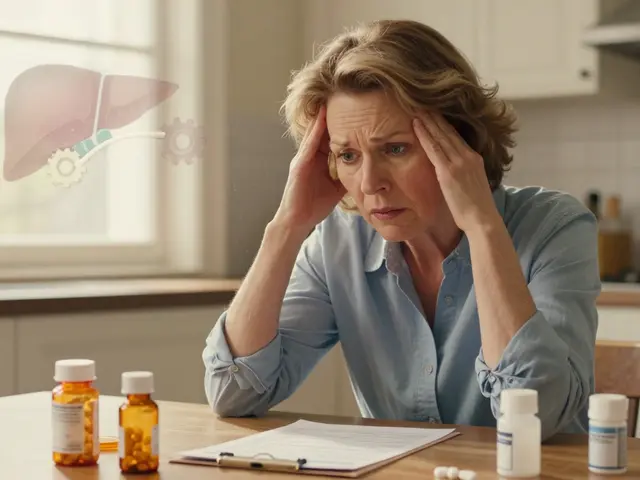

Imagine handing a prescription to your 78-year-old parent. The doctor prescribed it for high blood pressure or anxiety. It seems harmless enough. But what if that specific pill increases their risk of falling by 50%? Or what if it interacts dangerously with the arthritis medication they’ve taken for years? This isn’t a hypothetical nightmare; it’s a daily reality for millions of older adults. The body changes as we age, and so does how it handles medicine. What works for a 40-year-old can be dangerous for an 80-year-old.
This is where the Beers Criteria comes in. It is not just a list of drugs to avoid. It is a vital safety net designed to protect older adults from potentially inappropriate medications (PIMs). These are drugs where the risks often outweigh the benefits due to age-related changes in how the body absorbs, metabolizes, and eliminates substances. Understanding these criteria helps clinicians, caregivers, and patients make smarter, safer choices about health.
What Are the Beers Criteria?
The American Geriatrics Society Beers Criteria® is an evidence-based guideline used globally to identify medications that pose greater risks than benefits for individuals aged 65 and older. Originally developed by Dr. Mark Beers in 1991, the guidelines have evolved significantly. Today, the American Geriatrics Society (AGS) updates them regularly, with the most recent major edition published in 2023.
Why do we need this? As people age, their kidneys and liver don't work as efficiently. They process drugs slower. Their bodies hold more water and less fat, changing how drugs distribute. A standard dose might build up to toxic levels in an older adult. The Beers Criteria help flag these dangers before they cause harm. The 2023 update reviewed over 1,500 scientific articles to ensure the recommendations reflect the latest medical evidence.
It is crucial to understand that these criteria are not absolute bans. Todd Semla, co-chair of the expert panel, emphasizes that they should never be used punitively. Instead, they serve as a warning light. They prompt a conversation between the patient, caregiver, and healthcare provider about whether a medication is truly necessary or if a safer alternative exists.
The Five Key Categories of Risk
The Beers Criteria organize risky medications into five distinct sections. Knowing these categories helps you spot potential issues during a medication review.
- Medications to Avoid Regardless of Condition: These drugs carry high risks for almost all older adults. Examples include certain anticholinergics like diphenhydramine (Benadryl) for sleep, which can cause confusion and falls.
- Medications to Avoid with Specific Diseases: Some drugs worsen specific conditions. For instance, nonsteroidal anti-inflammatory drugs (NSAIDs) like ibuprofen can be dangerous for those with heart failure or kidney disease.
- Medications to Use with Caution: These aren't banned but require careful monitoring. Benzodiazepines for anxiety fall here; they increase fall risk and cognitive impairment.
- Medications in Renal Impairment: Since kidney function declines with age, drugs cleared by the kidneys need dose adjustments or avoidance. Metformin, for example, requires caution in severe renal impairment.
- Clinically Significant Drug-Drug Interactions: Combining certain meds creates new risks. Mixing opioids with benzodiazepines, for example, can suppress breathing and lead to fatal overdose.
Common Potentially Inappropriate Medications
Let’s look at some specific drugs frequently flagged by the Beers Criteria. You might recognize these names from pharmacy shelves or family medicine cabinets.
| Medication Class | Specific Examples | Primary Risks for Older Adults |
|---|---|---|
| Sedative-Hypnotics | Zolpidem (Ambien), Temazepam | Falls, fractures, confusion, next-day drowsiness |
| Anticholinergics | Diphenhydramine, Oxybutynin | Cognitive decline, dry mouth, constipation, urinary retention |
| Opioids | Morphine, Codeine, Tramadol | Constipation, delirium, respiratory depression, falls |
| NSAIDs | Ibuprofen, Naproxen, Diclofenac | Kidney damage, stomach bleeding, heart failure exacerbation |
| Antipsychotics | Quetiapine, Risperidone | Stroke risk in dementia, metabolic changes, sedation |
Notice a pattern? Many of these drugs affect the brain or balance. Falls are a leading cause of injury and loss of independence in older adults. Preventing a fall is often more critical than treating mild insomnia or occasional pain. This shift in priority is central to geriatric care.
Why Polypharmacy Is a Major Concern
Polypharmacy refers to taking multiple medications simultaneously. Approximately 40% of older adults take five or more prescriptions. While sometimes necessary, it dramatically increases the chance of drug interactions and side effects. The Beers Criteria highlight that PIMs are linked to higher hospital admission rates, functional decline, and even mortality.
Consider Mrs. Higgins, 82. She takes medication for hypertension, diabetes, arthritis, and insomnia. If her doctor adds an NSAID for knee pain without checking her kidney function or interacting with her blood pressure meds, she risks acute kidney injury. The Beers Criteria act as a checklist to prevent this cascade of errors. They encourage "deprescribing"-the careful removal of unnecessary or harmful medications.
How Clinicians Use the Beers Criteria
Doctors and pharmacists use these guidelines in several ways. First, during routine check-ups, they review every medication on a patient’s list. Second, electronic health records (EHRs) now often integrate Beers Criteria alerts. When a prescriber types in a drug for a 75-year-old patient, the system may flash a warning: "Caution: High fall risk." Third, hospital discharge planners use them to ensure patients aren’t sent home with dangerous regimens.
The American Geriatrics Society provides tools to make this easier. There is a mobile app and a pocket reference card available online. These resources allow clinicians to quickly check if a medication is appropriate. However, technology alone isn’t enough. Clinical judgment remains essential. The criteria acknowledge that some patients may need a "risky" drug if no alternatives exist, provided they are monitored closely.

Limitations and Criticisms
No tool is perfect. Critics argue that the Beers Criteria can be too rigid. They warn against using them to deny coverage or punish doctors unfairly. Christine Holman, a clinical pharmacy specialist, describes the criteria as a "warning light," not a stop sign. Individual circumstances matter. A patient with terminal cancer might need stronger pain relief despite the risks. Quality measures must account for complexity.
Another limitation is data access. Identifying subgroups who should be exempt from certain criteria requires detailed patient history that isn’t always available in quick EHR checks. Furthermore, the criteria focus on inappropriate prescribing but don’t explicitly address under-prescribing (though complementary tools like STOPP-START do). Despite these flaws, the Beers Criteria remain the gold standard for medication safety in geriatrics.
Steps for Patients and Caregivers
You don’t need a medical degree to benefit from the Beers Criteria. Here is how you can advocate for safer medication use:
- Keep an Updated List: Write down every prescription, over-the-counter drug, supplement, and herb you take. Include dosages and frequencies.
- Ask Questions: At every appointment, ask: "Is this medication still necessary?" "Are there safer alternatives?" "What are the side effects?"
- Review Regularly: Schedule a dedicated "medication review" with your pharmacist or doctor annually. Don’t wait for a crisis.
- Watch for Changes: Report new confusion, dizziness, or memory lapses immediately. These could be side effects, not signs of aging.
- Use Reliable Resources: Visit sites like healthinaging.org for layperson-friendly information on medication safety.
Remember, silence is not consent. If a medication makes you feel worse, speak up. Shared decision-making leads to better outcomes.
Future Directions in Medication Safety
The field of geriatric pharmacology is evolving. Future updates to the Beers Criteria may incorporate pharmacogenomics-the study of how genes affect drug response. This could personalize recommendations further. Integration with artificial intelligence in EHRs will likely improve real-time alert accuracy, reducing "alert fatigue" for clinicians. The goal remains the same: maximizing health span while minimizing medication harm.
Who should use the Beers Criteria?
The Beers Criteria are primarily designed for healthcare professionals such as physicians, pharmacists, and nurses. However, patients and caregivers can also use simplified versions to understand why certain medications might be risky and to initiate conversations with their care team.
Are the Beers Criteria legally binding?
No, the Beers Criteria are clinical guidelines, not laws. They are not meant to be applied punitively. Doctors may prescribe a listed medication if the benefits clearly outweigh the risks for a specific patient, provided they monitor the patient closely.
What is the difference between Beers Criteria and STOPP-START?
The Beers Criteria focus mainly on identifying inappropriate medications to avoid. The STOPP-START criteria, widely used in Europe, also identify when medications should be started (START) if they are missing, addressing both over-prescribing and under-prescribing.
How often are the Beers Criteria updated?
The American Geriatrics Society typically updates the Beers Criteria every three to four years. The most recent comprehensive update was published in 2023, incorporating evidence from thousands of studies.
Can I stop my medication because it's on the Beers list?
Never stop taking prescribed medication abruptly without consulting your doctor. Suddenly stopping certain drugs can cause severe withdrawal symptoms or rebound effects. Discuss your concerns with your healthcare provider to create a safe deprescribing plan if needed.