
Statin Tolerance: Understanding Side Effects and How to Manage Them
When you take a statin, a class of drugs used to lower LDL cholesterol and reduce heart attack risk. Also known as HMG-CoA reductase inhibitors, they’re among the most prescribed medications worldwide—but not everyone can take them without issues. Statin tolerance isn’t just about whether the drug works. It’s about whether your body can handle it. Many people stop taking statins because of side effects, not because their cholesterol isn’t improving.
The most common problem is muscle pain, a dull ache or weakness that often shows up in the thighs, shoulders, or back. It’s not always serious, but it can be enough to make people quit. Some cases are linked to a rare condition called statin-induced myopathy, which can be detected with a blood test for creatine kinase. Others might just be a coincidence—like a sore muscle from gardening or a new workout routine. Then there’s liver enzyme elevation, a temporary rise in liver markers that rarely causes harm. And don’t forget about digestive issues: nausea, gas, or constipation can sneak in, especially when you first start. These aren’t rare. They’re common enough that doctors expect them—and know how to respond.
Statin tolerance isn’t all-or-nothing. It’s a balancing act. If one statin doesn’t work for you, another might. Atorvastatin, rosuvastatin, pravastatin, simvastatin—they’re not all the same. Some are more likely to cause muscle issues. Others are easier on the liver. Dose matters too. Lowering the dose often reduces side effects without killing the benefit. And if you really can’t tolerate any statin, there are alternatives: ezetimibe, PCSK9 inhibitors, or even lifestyle changes that work alongside meds. What works for one person might not work for another, and that’s okay.
You’re not alone if you’ve struggled with statins. Millions have tried, stopped, and gone back. The key is to talk to your doctor before quitting. Don’t assume the side effect is permanent. Don’t blame the drug without checking other causes. And don’t ignore the risk of high cholesterol just because the pill makes you feel off. The posts below cover real stories and real solutions—from how to tell if your muscle pain is from statins or something else, to what to try when statins fail, to how to monitor your body safely while you’re on them. You’ll find practical advice that’s been tested by people who’ve been where you are.
- 21/Nov/2025
- by William Womack
-
 vitamin D
statin tolerance
statin side effects
muscle pain statins
vitamin D deficiency
vitamin D
statin tolerance
statin side effects
muscle pain statins
vitamin D deficiency
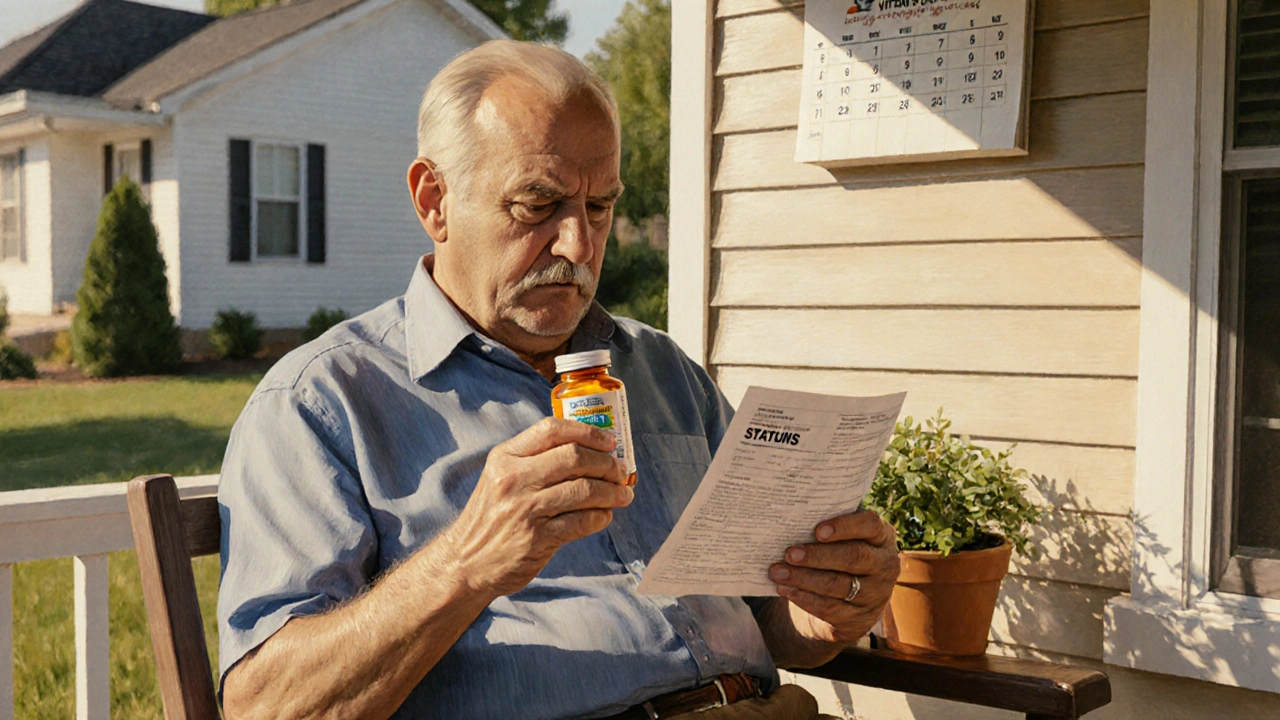
Vitamin D and Statin Tolerance: What the Evidence Really Says
Does low vitamin D cause statin muscle pain? New evidence says no-but fixing a deficiency still matters for your overall health. Here's what the science really shows.
ReadLatest Posts