Report Adverse Events: How to Spot, Document, and Act on Drug Side Effects
When you take a medication and something feels off—dizziness, rash, nausea, or worse—you’re not just experiencing a side effect. You’re witnessing an adverse event, an unintended and harmful reaction to a medication that occurs at normal doses. Also known as adverse drug reaction, it’s not rare, and it’s not something you should ignore. Millions of people experience these reactions every year, but only a small fraction ever get reported. Your report could help prevent someone else from getting hurt.
Reporting adverse events isn’t just for doctors. It’s for anyone who takes medicine—whether it’s a prescription, an over-the-counter pill, or a supplement. Think of it like a smoke alarm: it doesn’t fix the fire, but it alerts others before it spreads. The pharmacovigilance, the science and activities relating to the detection, assessment, understanding, and prevention of adverse effects of medicines system relies on people like you. Without your input, regulators wouldn’t know that a common painkiller causes unexpected liver damage, or that a popular allergy pill leads to confusion in older adults. These discoveries don’t come from labs alone—they come from real people noticing something wrong and speaking up.
It’s not just about the drug itself. The problem often lies in how it interacts with other things you’re taking. Many of the posts here cover these exact risks: how yohimbe, an herbal supplement used for energy and weight loss can spike blood pressure when mixed with hypertension meds; how anticholinergic effects, a group of side effects caused by certain drugs that block acetylcholine from old-school antihistamines lead to dry mouth, constipation, and even memory issues in seniors; or how OTC medication interactions, harmful combinations between common pain relievers and prescription drugs can cause bleeding or liver failure. These aren’t hypotheticals. They’re documented cases. And they’re exactly the kind of events that need to be reported—quickly, clearly, and without delay.
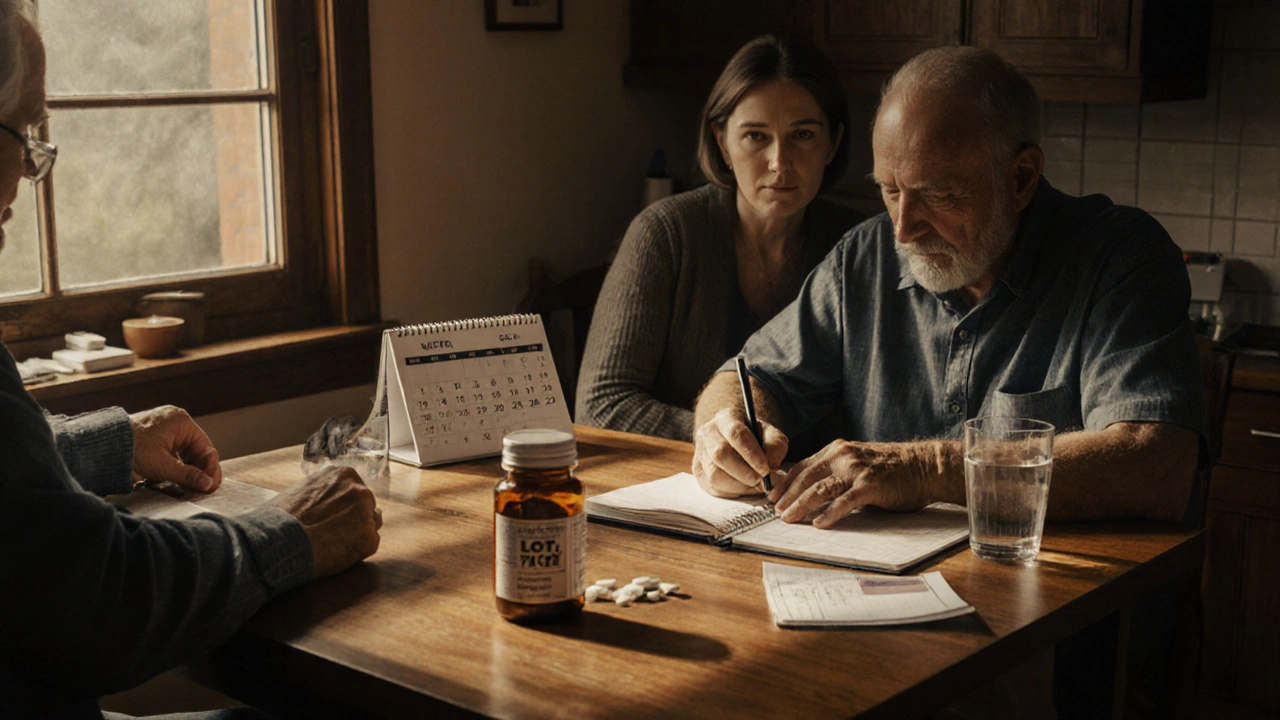
You don’t need to be a medical expert to report. Just write down what happened, when, and what you were taking. Did the symptom start after you began a new drug? Did it get worse when you added another? Did it go away after you stopped? That’s all the data regulators need. Your report might be the one that triggers a warning label, a dosage change, or even a drug recall. And if you’ve ever wondered why some drugs carry black box warnings or why your pharmacist asks about every supplement you take—that’s the system working because someone like you spoke up.
Below, you’ll find real-world examples of how medications go wrong, why some side effects are hidden in plain sight, and how to recognize the signs before they become serious. Whether it’s a generic drug causing unexpected reactions, a supplement clashing with your heart medicine, or a common cream leading to skin damage—each story is a reminder: your experience matters. Don’t wait for someone else to report it. If something doesn’t feel right, document it. Share it. Help make medicines safer for everyone.
- 14/Nov/2025
- by William Womack
-
 generic drugs side effects
report adverse events
rare drug reactions
MedWatch reporting
generic medication safety
generic drugs side effects
report adverse events
rare drug reactions
MedWatch reporting
generic medication safety
Rare Adverse Events with Generics: When and How to Report Side Effects
Learn when and how to report rare side effects from generic medications. Understand the real risks, what triggers a report, and how your input helps improve drug safety for everyone.
Read