
Ocular Migraines: Symptoms, Triggers, and What You Can Do
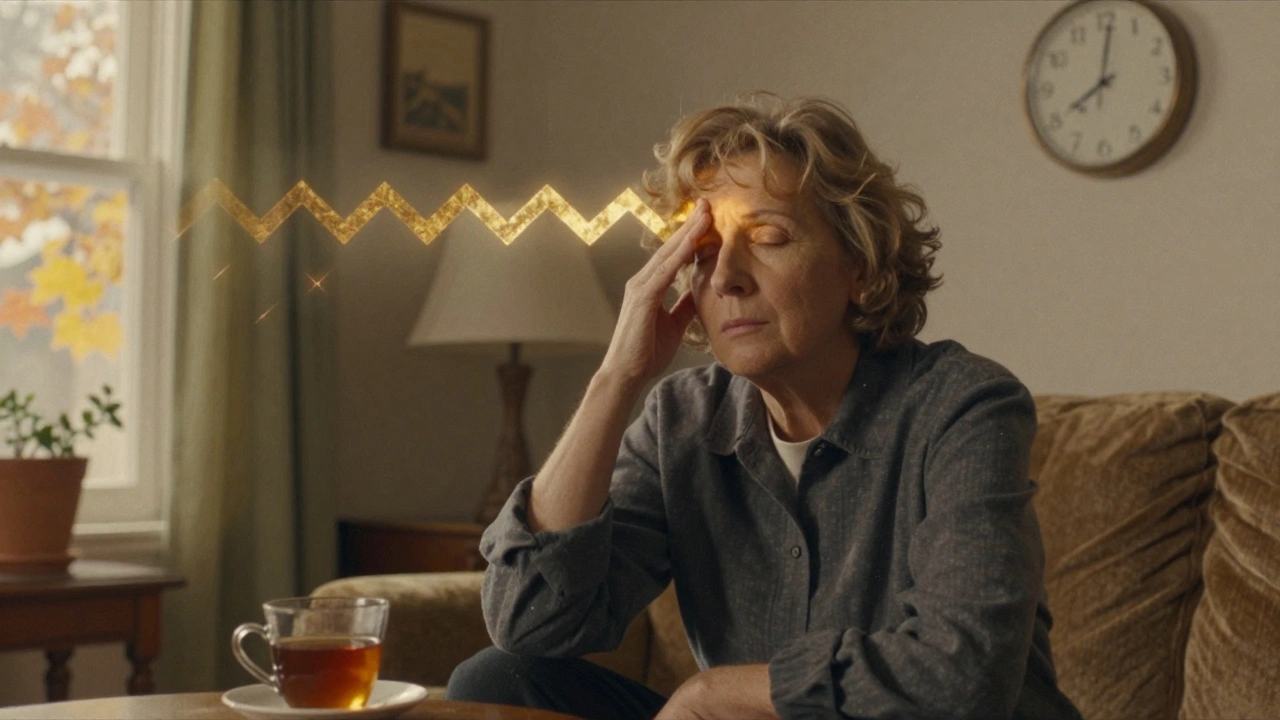
When you suddenly see zigzag lines, blind spots, or flickering lights in one eye—without a headache—you might be experiencing an ocular migraine, a type of migraine that affects vision, often without head pain. Also known as visual migraine or retinal migraine, it’s not a separate disease but a variation of migraine with aura, where the brain’s visual processing goes temporarily haywire. Unlike a regular migraine, ocular migraines usually affect just one eye, and the vision changes last between 10 to 30 minutes before fading on their own.
These episodes aren’t dangerous on their own, but they can be scary if you’ve never had one. Many people confuse them with retinal detachment or stroke symptoms, especially if they’re over 50 or have high blood pressure. The key difference? Ocular migraines are temporary, reversible, and rarely come with neurological warning signs like weakness or slurred speech. If you’ve had a clear diagnosis before, you’ll recognize the pattern. But if it’s your first time, seeing a doctor is smart—just to rule out something more serious.
What causes these episodes? Common triggers include stress, bright lights, strong smells, skipped meals, caffeine withdrawal, and hormonal shifts—especially in women. Some medications, like birth control pills, can make them worse. If you notice these attacks happen after scrolling on your phone for too long or sitting under fluorescent lights, you’re already starting to track your triggers. Keeping a simple log—what you ate, how much you slept, whether you were stressed—can help you spot patterns faster than any app.
There’s no cure, but most people don’t need medication. Resting in a dark room, drinking water, and waiting it out works better than pills for most. If they happen often—more than once a month—or if they start affecting your daily life, talk to your doctor. Preventive options like beta-blockers or anti-seizure drugs exist, but they’re only for frequent or severe cases. For now, avoiding known triggers and managing stress are your best tools.
What you’ll find in the posts below isn’t just about ocular migraines. You’ll see how they connect to other vision-related issues like eye allergies, inflammation and irritation from environmental triggers that can mimic migraine symptoms, and how medication timing, when you take your pills, can influence how often migraines strike. You’ll also find real advice on avoiding drug interactions that might make headaches worse, how to track symptoms without overcomplicating things, and what to do when a visual disturbance doesn’t go away like it should. This isn’t guesswork—it’s what people actually use to manage these episodes day to day.
- 3/Dec/2025
- by William Womack
-
 ocular migraines
visual aura
retinal migraine
migraine with aura
when to see a doctor
ocular migraines
visual aura
retinal migraine
migraine with aura
when to see a doctor
Ocular Migraines: Visual Aura and When to Worry
Ocular migraines aren't one condition-they're two. Learn the difference between migraine with aura and retinal migraine, what triggers them, and the critical warning signs that mean you need urgent care.
Read