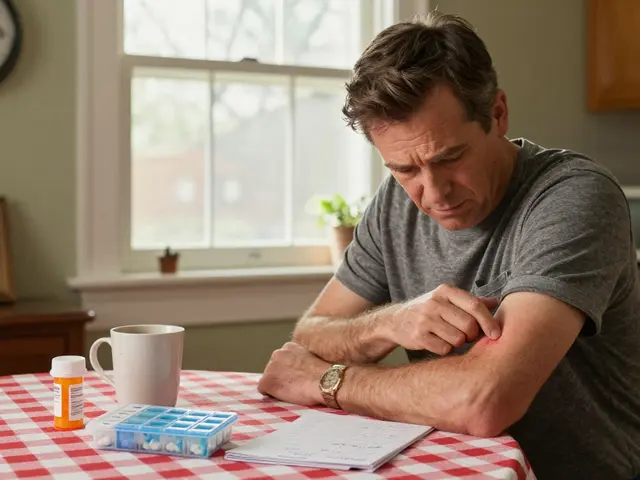
Medication Reconciliation: What It Is and Why It Saves Lives
When you switch from hospital to home, or see a new doctor, medication reconciliation, the process of comparing a patient’s current medication list with newly prescribed drugs to avoid errors. It’s not just paperwork—it’s a safety net that stops deadly mistakes before they happen. Think of it like double-checking your bank statement: if you’re taking five pills at home but the hospital only lists three, something’s missing—and that gap could kill you.
Drug interactions, when two or more medications react in harmful ways are one of the top causes of hospital readmissions. A patient on blood thinners who gets a new painkiller without review might bleed internally. Or someone on antidepressants who picks up an OTC cold medicine could trigger serotonin syndrome. Prescription errors, mistakes in dosage, timing, or drug choice happen more often than you think—especially during transitions of care. That’s why medication reconciliation isn’t optional. Hospitals, pharmacies, and even home care teams are required to do it. But it only works if you’re part of the process.
You’re not just a patient—you’re the best source of truth about what you actually take. Do you forget a supplement? Skip doses? Use a different brand? That info doesn’t always show up in electronic records. A nurse might ask you to list everything, but if you say "just the pills," you’re leaving out your fish oil, your sleep aid, your grandma’s herbal tea. That’s where reconciliation breaks down. The system can’t fix what you don’t tell them.
What you’ll find in these posts is real-world insight into how medication safety works—or fails. You’ll learn how pharmacy safety, the systems and checks pharmacies use to prevent harmful errors can catch mistakes before you leave the counter. You’ll see how medication errors, mistakes in prescribing, dispensing, or taking drugs sneak in through generic switches, OTC combos, or missed allergies. These aren’t theoretical risks. They’re documented in reports, lawsuits, and patient stories. And they’re preventable—if you know what to ask for.
Whether you’re managing chronic illness, caring for an aging parent, or just trying not to mix up your pills, this collection gives you the tools to speak up, check your list, and demand clarity. No jargon. No fluff. Just what you need to stay safe when your meds change—and they will.

- 17/Nov/2025
- by William Womack
-
 duplicate medications
medication safety
senior medications
medication reconciliation
avoid drug duplication
duplicate medications
medication safety
senior medications
medication reconciliation
avoid drug duplication
How to Avoid Duplicate Medications After Specialist Visits
Seniors are at high risk of taking duplicate medications after seeing multiple specialists. Learn how to prevent dangerous drug overlaps with a simple medication list, one pharmacy, and smart questions at every appointment.
Read