Medication Errors: What They Are, How They Happen, and How to Prevent Them
When you take a pill, you expect it to help—not hurt. But medication errors, mistakes in prescribing, dispensing, or taking drugs that can lead to harm. Also known as drug errors, they’re one of the leading causes of preventable hospital visits in the U.S. These aren’t just rare accidents. They happen because of confusing labels, similar-sounding drug names, rushed doctors, or patients forgetting what they’re supposed to take. And it’s not just about forgetting a dose—it’s about mixing pills that shouldn’t be mixed, taking the wrong strength, or not knowing if a generic is safe to switch to.
Generic drugs, FDA-approved copies of brand-name medications with the same active ingredient. Also known as generic medication, they’re a smart way to save money—but switching without checking can still cause problems if you’re sensitive to fillers or have a rare reaction. Then there’s medication reconciliation, the process of comparing your current meds to what’s been prescribed to catch duplicates or conflicts. Also known as drug list review, it’s something every senior, chronic illness patient, or person seeing multiple specialists needs to do before every appointment. You might think your doctor knows everything you’re taking, but studies show over 50% of patients leave visits with at least one error in their list. A missed interaction between your blood pressure pill and that OTC painkiller could land you in the ER.
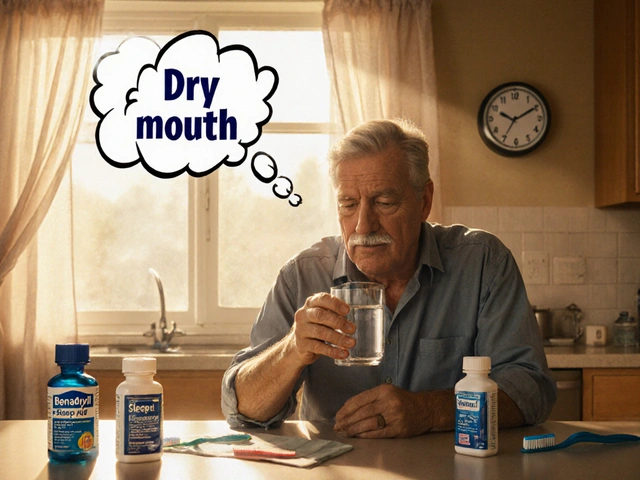
Some errors come from the pharmacy. Others come from the patient. Taking levothyroxine with food. Mixing yohimbe with hypertension meds. Using Benadryl for sleep when it’s causing urinary issues. These aren’t just side effects—they’re preventable mistakes. Even something as simple as not reading the label on your antibiotic or assuming a new pill is the same as the last one can go wrong. And with mail-order pharmacies shipping hundreds of generics across the country, quality control matters. Temperature changes, poor packaging, or mislabeled bottles? All real risks.
What you’ll find here aren’t just warnings. These are real stories behind real mistakes—and how to avoid them. From how to spot a duplicate prescription after seeing three specialists, to why your child’s liquid medicine switch needs a careful plan, to what to do when your generic doesn’t seem to work like the brand—every post here is built from actual cases, not theory. You’ll learn how to ask the right questions, check your own meds, and speak up before something goes wrong. This isn’t about fear. It’s about control. And the power to keep yourself and your family safe.

- 1/Dec/2025
- by William Womack
-
 blister packs
pill organizers
medication errors
pill adherence
overdose prevention
blister packs
pill organizers
medication errors
pill adherence
overdose prevention
How to Use Blister Packs and Pill Organizers to Prevent Medication Mistakes
Blister packs and pill organizers help prevent dangerous medication mistakes by organizing doses clearly by day and time. Learn how each works, which is better for complex regimens, and how to get started safely.
Read