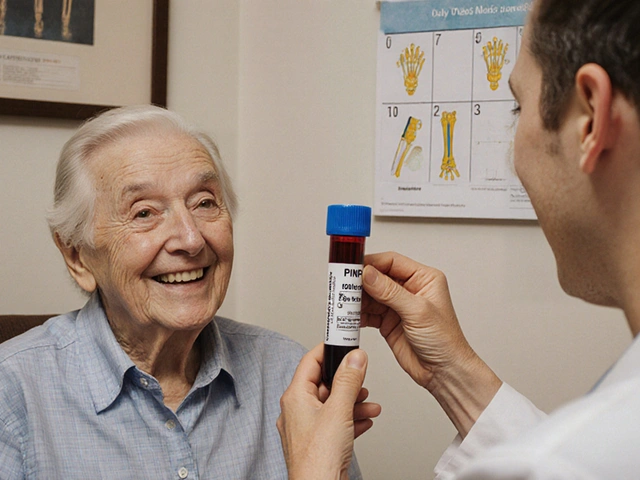
Generic Drug Testing: What It Really Means for Your Medication Safety
When you pick up a generic drug, a medication that contains the same active ingredient as a brand-name drug but is sold under its chemical name. Also known as pharmaceutical equivalents, it is approved by the FDA only after passing strict bioequivalence testing, a scientific process that proves the generic delivers the same amount of medicine into your bloodstream at the same speed as the brand. This isn’t guesswork—it’s science, and it’s the reason millions of people safely switch to generics every year.
Not all generics are created equal in the public’s mind, but the testing process doesn’t leave room for doubt. FDA generic approval, the official process that evaluates whether a generic drug meets the same quality, strength, and purity standards as the original requires real-world data from human studies. These tests measure how quickly and completely your body absorbs the drug—whether it’s taken with food, on an empty stomach, or at different times of day. If the results fall within 80% to 125% of the brand’s performance, it’s approved. That’s not a wide margin—it’s tight enough to ensure your blood pressure pill, antibiotic, or statin works just as it should.
What about concerns over side effects or inconsistent results? Those often come from confusion between brand name drugs, the original medications developed by pharmaceutical companies under patent protection and generics. But the active ingredient? Identical. The fillers? Sometimes different, but never harmful. The FDA tracks reports of rare reactions through systems like MedWatch, and if a pattern emerges, they investigate. Most people never notice a difference. For others, switching from brand to generic saves hundreds a year—without sacrificing control over conditions like diabetes, high cholesterol, or hypertension.
Behind every generic bottle is a paper trail of lab results, clinical data, and manufacturing inspections. The FDA doesn’t approve generics based on promises—it requires proof. That’s why authorized generics, which are made by the brand company itself under a different label, are sometimes indistinguishable from the original. And why mail-order pharmacies can ship generics across the country with confidence: their quality controls match those of retail pharmacies.
Generic drug testing isn’t about cutting corners. It’s about making essential medicines accessible. It’s why you can fill a 90-day supply of metformin for $10 instead of $300. It’s why your aging parent can afford their heart medication. And it’s why, when you see a generic on your prescription, you can trust it—not because someone told you to, but because the science says so.
Below, you’ll find real stories, clear explanations, and hard facts about how generics are tested, approved, and used. Whether you’re switching meds, worried about side effects, or just trying to save money, what follows is everything you need to know—no fluff, no hype, just what works.
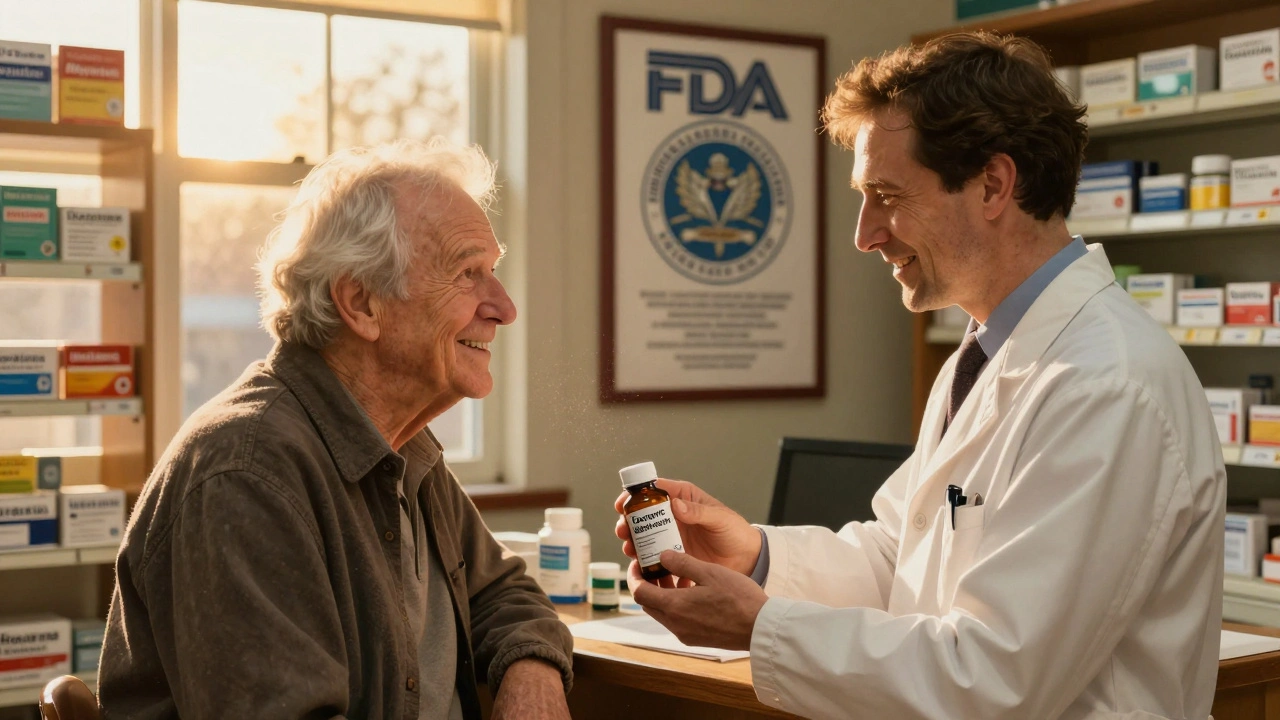
- 7/Dec/2025
- by William Womack
-
 generic drug standards
FDA generic requirements
generic drug testing
FDA bioequivalence
generic drug approval
generic drug standards
FDA generic requirements
generic drug testing
FDA bioequivalence
generic drug approval
Generic Drug Quality Standards: FDA Requirements and Testing Explained
FDA-approved generic drugs must meet the same quality, strength, and effectiveness standards as brand-name drugs. Learn how bioequivalence testing, manufacturing rules, and strict reviews ensure generics are safe and reliable.
ReadLatest Posts