

NSAIDs Are Everywhere - But They’re Not as Safe as You Think
You grab ibuprofen for a headache. Your neighbor takes naproxen for arthritis. Your mom swallows low-dose aspirin every day to protect her heart. These aren’t rare habits - they’re normal. But here’s the quiet danger: NSAID overdose - even from daily use - is one of the most common causes of serious stomach bleeding you’ve never heard of.
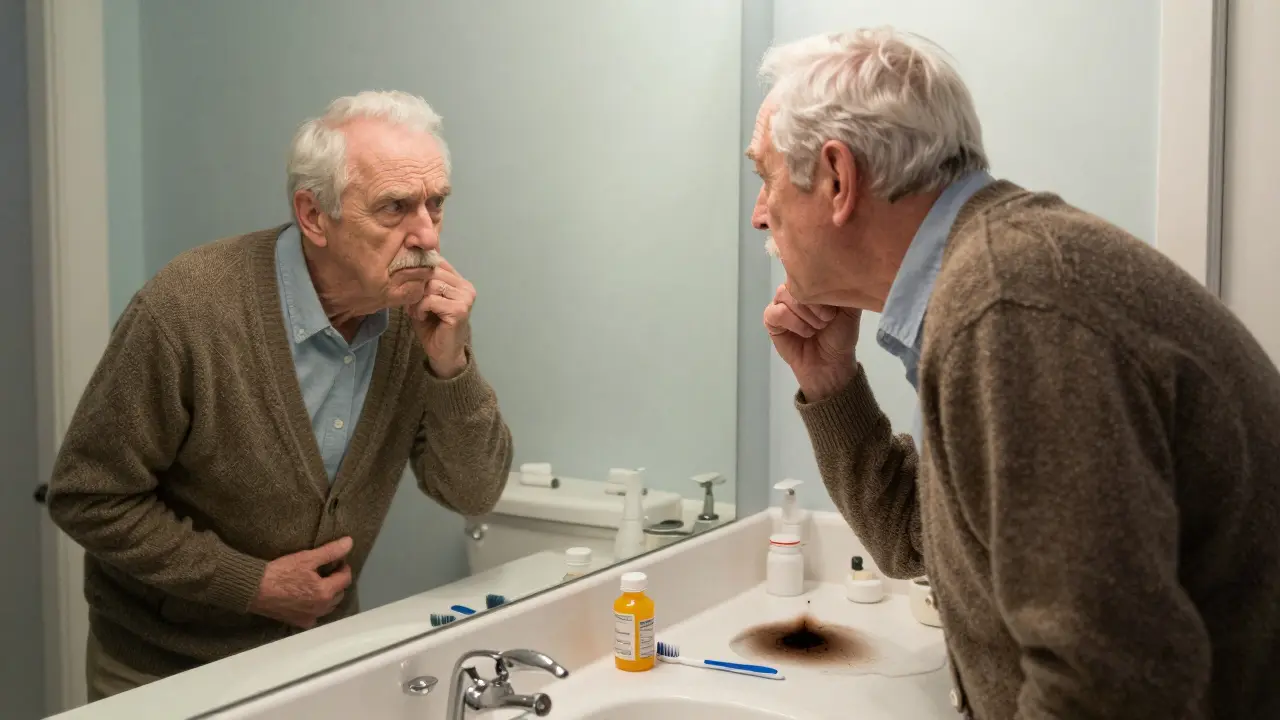
Most people think if they don’t feel pain, they’re fine. That’s the trap. Up to 70% of long-term NSAID users show visible damage in their stomach and intestines during endoscopy - and nearly 90% of them had zero symptoms. No heartburn. No nausea. Just silent bleeding that slowly drains iron from your body until you’re exhausted, pale, and winded climbing stairs. By then, it’s often too late for a simple fix.
How NSAIDs Actually Damage Your Gut
NSAIDs - like ibuprofen, naproxen, diclofenac, and aspirin - work by blocking enzymes called COX-1 and COX-2. That’s how they reduce pain and inflammation. But COX-1 also helps protect your stomach lining by producing mucus and keeping blood flowing to keep the tissue healthy. When you block it, your stomach loses its natural shield.
The damage doesn’t stop at the stomach. NSAIDs hurt the entire digestive tract: the esophagus, small intestine, and colon. Studies show they cause erosions, ulcers, and tiny tears that bleed slowly. These aren’t always obvious. You might not see blood in your stool. Instead, your body loses iron over weeks or months. Your doctor might call it "iron deficiency anemia" - but no one connects it to the Advil you’ve been taking for your back pain.
And here’s the worst part: serious bleeding can happen without warning. A 2004 study found that NSAID users are up to five times more likely to have a bleeding ulcer than people who don’t take them. Half of those who end up in the hospital with GI bleeding had no prior stomach pain. They just collapsed from internal blood loss.
Who’s at the Highest Risk?
Not everyone is equally at risk. Some people are walking time bombs - and they don’t even know it.
- People over 65: Age weakens the stomach lining. The older you are, the more likely NSAIDs will cause bleeding. A daily 300 mg aspirin raises bleeding risk nearly four times compared to 75 mg.
- Those with past ulcers or bleeding: If you’ve had a bleeding ulcer before, your chance of another one jumps dramatically. NSAIDs can trigger a second bleed even at low doses.
- People on blood thinners or aspirin: This is the deadliest combo. If you’re taking low-dose aspirin for your heart - and also taking ibuprofen for your knees - your risk of bleeding doubles. The American College of Cardiology says this combination is one of the most dangerous in modern medicine.
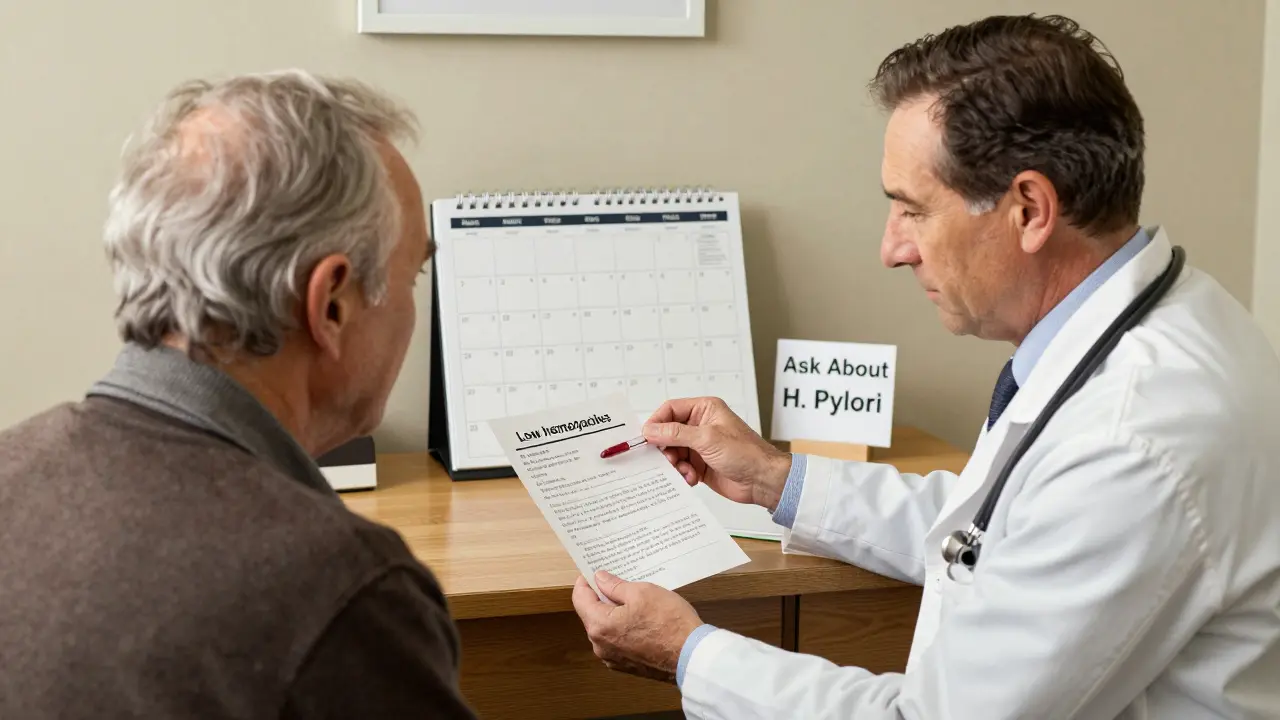
- Those with H. pylori infection: This common stomach bacteria doesn’t cause problems for most. But if you’re on NSAIDs and have H. pylori, your bleeding risk increases by 20%. It’s a silent team-up that destroys your lining.
- People taking multiple NSAIDs: Taking two different NSAIDs at once - like ibuprofen and naproxen - doesn’t help more pain. It just doubles the damage.
Even "safe" over-the-counter doses are risky if taken daily for months. One study found that over one-third of patients admitted for GI bleeding were using OTC aspirin - not prescription, just a daily pill they thought was harmless.
The Myth of "Enteric-Coated" and "Buffered" Aspirin
You’ve seen the labels: "Enteric-coated to protect your stomach." "Buffered for gentler digestion." They sound reassuring. But they’re misleading.
Research from 2008 shows these coatings don’t reduce bleeding risk at all. The aspirin still gets absorbed into your bloodstream, still blocks COX-1, still strips away your stomach’s protection. The coating might delay when it hits your stomach - but it doesn’t stop the damage. It’s like putting a raincoat on a leaky roof. The water still gets in.
And increasing the dose? Big mistake. Taking 300 mg of aspirin instead of 75 mg doesn’t make your heart safer - it just makes your stomach more likely to bleed. The guidelines are clear: stick to 81 mg if you’re on aspirin for heart protection. Anything higher just ups your bleeding risk with no added benefit.
What About COX-2 Inhibitors? Are They Safer?
Drugs like celecoxib (Celebrex) were marketed as "stomach-friendly" NSAIDs. They target COX-2 - the enzyme linked to pain - while sparing COX-1. Sounds perfect, right?
Here’s the catch: they’re only safer if you’re NOT taking aspirin. If you’re on low-dose aspirin for your heart, celecoxib gives you zero extra protection. In fact, your risk of serious bleeding stays at 7.5% per year - higher than if you took a regular NSAID without aspirin.
And there’s another problem: COX-2 inhibitors may increase heart attack and stroke risk. So you trade one danger for another. That’s why doctors now avoid prescribing them unless there’s no other option - and even then, only with extreme caution.
What Should You Do If You’re Taking NSAIDs?
If you’re on NSAIDs - especially daily - here’s what you need to do now:
- Ask your doctor if you really need them. Is there a safer alternative? Physical therapy? Acetaminophen? Cold packs? Sometimes, the painkiller isn’t the answer.
- Never mix NSAIDs with aspirin. If you take aspirin for your heart, don’t take ibuprofen or naproxen unless your doctor says it’s safe. Even then, use the lowest dose for the shortest time.
- Check for hidden signs of bleeding. Are you tired all the time? Pale? Short of breath? Have your hemoglobin checked. You don’t need to see blood in your stool to be bleeding internally.
- Get tested for H. pylori. If you’ve had ulcers or are on long-term NSAIDs, ask for a breath or stool test. Treating this infection cuts your bleeding risk in half.
- Don’t assume PPIs fix everything. Proton pump inhibitors like omeprazole help protect your stomach - but they don’t stop bleeding in the small intestine. They’re not a magic shield.
And if you’re over 65? Or on blood thinners? Or have a history of ulcers? You should be on a PPI if you must take NSAIDs. But even then - use them sparingly. Every day you take them, you’re playing Russian roulette with your gut.
When to Go to the ER
You don’t need to wait for vomiting blood to act. Here’s when to get help immediately:
- Black, tarry stools (like tar or coffee grounds)
- Dizziness, fainting, or sudden weakness
- Heart racing with no cause
- Severe abdominal pain
- Feeling unusually tired for no reason - especially if you’re on NSAIDs
These aren’t "wait and see" symptoms. Internal bleeding can kill you in hours. If you’re on NSAIDs and feel off, get checked.
The Bigger Picture: It’s Preventable
NSAID-related GI bleeding isn’t rare. It’s the 15th leading cause of hospital admissions for stomach bleeding. Thousands of people end up in the ER every year - not from accidents, but from a pill they thought was harmless.
The good news? Almost all of it is preventable. Doctors need to ask more questions. Patients need to speak up. And everyone needs to stop assuming that because a drug is sold over the counter, it’s safe to use without limits.
NSAIDs have a place in medicine. But they’re not candy. They’re powerful drugs with serious side effects. If you’re taking them long-term - especially with aspirin - talk to your doctor. Ask: "Is this still necessary?" and "What’s the real risk to my stomach?"
Your gut doesn’t scream before it breaks. Don’t wait for it to bleed.
Can you overdose on NSAIDs just by taking them daily?
Yes. You don’t need to take 20 pills at once to overdose. Taking NSAIDs daily - even at recommended doses - for weeks or months can cause serious damage to your stomach and intestines. This is called chronic toxicity, not acute overdose. The damage builds silently. Many people end up in the hospital with life-threatening bleeding after just a few months of daily ibuprofen or naproxen use.
Is aspirin safer than other NSAIDs?
No. Aspirin is actually one of the most dangerous NSAIDs for your gut. It irreversibly blocks COX-1, which means the damage lasts until your stomach lining regenerates - which takes days. Even low-dose aspirin (81 mg) increases your risk of GI bleeding 2 to 4 times. It’s not safer - it’s just more commonly used because people think it’s "heart-safe." But that safety doesn’t extend to your stomach.
What’s the best painkiller if I’m at risk for bleeding?
Acetaminophen (paracetamol) is usually the safest choice for pain relief if you’re at risk for GI bleeding. It doesn’t affect the stomach lining like NSAIDs do. But don’t exceed 3,000 mg per day - it can harm your liver. For inflammation, non-drug options like physical therapy, heat/cold therapy, or weight loss (if needed) are better long-term solutions.
Do I need an endoscopy if I take NSAIDs regularly?
Not routinely - unless you have symptoms like black stools, unexplained anemia, or a history of ulcers. But if you’ve been on NSAIDs for more than 6 months and feel unusually tired, pale, or short of breath, ask your doctor for a blood test. Low hemoglobin could mean silent bleeding. If confirmed, an endoscopy may be needed to find and treat the source.
Can I take NSAIDs if I’m on blood thinners like warfarin or apixaban?
Avoid them unless your doctor says it’s absolutely necessary. NSAIDs increase bleeding risk on their own. When combined with blood thinners, the risk multiplies. Even one dose of ibuprofen can push you into dangerous territory. Always check with your doctor before taking any NSAID if you’re on anticoagulants.
What Comes Next?
If you’re on NSAIDs, start by reviewing your list of medications. Write down everything you take - including OTC pills. Then ask yourself: Which ones are truly necessary? Which ones could be replaced? Talk to your pharmacist or doctor. Don’t assume your current regimen is safe just because you’ve been on it for years.
And if you’ve never been screened for H. pylori and you’re over 50 - ask for a test. It’s simple, cheap, and could save your life.
The truth is, your stomach doesn’t lie. It just doesn’t talk until it’s too late. Don’t wait for the silence to break - be proactive. Your gut will thank you.
Write a comment
Latest Posts
Alfuzosin Guide: Safe & Effective BPH Treatment
20/Oct/2025


Comments
Cassie Widders
11/Jan/2026I've been taking ibuprofen for years for my back. Never thought about silent bleeding. Thanks for the wake-up call. I'm scheduling a blood test this week.
Konika Choudhury
11/Jan/2026This is why India needs to ban NSAIDs without prescription they kill more than any drug in the west and no one talks about it
Darryl Perry
11/Jan/2026The data presented here is statistically significant and aligns with current gastroenterological guidelines. I recommend immediate cessation of non-essential NSAID use in high-risk populations.
Daniel Pate
11/Jan/2026It's fascinating how we treat pharmaceuticals like candy. We've outsourced our bodily wisdom to pills. What does it say about our culture that we'd rather numb pain than understand it?
Alex Fortwengler
11/Jan/2026Big Pharma doesn't want you to know this. They make billions off NSAIDs while doctors get paid to push them. The H. pylori connection? Suppressed for decades. Wake up people.
Monica Puglia
11/Jan/2026This is so important 💙 I just told my mom to stop her daily naproxen. She's 72 and has been on it for 10 years. We're seeing her doctor next week. You're not alone if you're taking these daily - let's get checked together!
Rebekah Cobbson
11/Jan/2026I appreciate how clear this is. If you're on NSAIDs, please don't panic - just pause. Talk to your doctor. Ask about alternatives. Small steps matter. You've got this.
Audu ikhlas
11/Jan/2026This article is trash. In Nigeria we dont even have access to these drugs and still people die from stomach problems. Western medicine is overrated. You need traditional herbs not pills
Sonal Guha
11/Jan/2026The 70% silent damage stat is misleading. Selection bias in endoscopy cohorts. No control for diet alcohol smoking. Also acetaminophen hepatotoxicity is underreported
gary ysturiz
11/Jan/2026You don't have to be scared. You just have to be aware. If you're taking painkillers daily, take a breath. Ask why. Talk to someone. Your body is trying to tell you something.
laura manning
11/Jan/2026The author's assertion regarding the ineffectiveness of enteric-coated aspirin is substantiated by a 2008 meta-analysis published in the Journal of Clinical Gastroenterology (DOI: 10.1097/MCG.0b013e3181a8f2c1), which demonstrated no statistically significant reduction in upper GI bleeding risk (p=0.87).
Bryan Wolfe
11/Jan/2026I used to take naproxen every day for my arthritis. Then I started feeling tired all the time. My doctor found my hemoglobin was at 8.5. Turns out I was bleeding slowly for months. I switched to acetaminophen and physical therapy. I feel like a new person. Don't wait until you're dizzy - check your numbers. You're worth it.