Generic Drug Patent Litigation: What It Means for Your Medication Costs
When you hear generic drug patent litigation, legal disputes over when generic versions of brand-name drugs can be sold. Also known as Hatch-Waxman litigation, it’s the behind-the-scenes fight that decides whether you pay $20 or $200 for the same pill. This isn’t just about big pharma and lawyers—it’s about whether your blood pressure med, your antidepressant, or your insulin becomes affordable after the brand-name version loses its monopoly.
Every brand-name drug starts with a patent, usually lasting 20 years. But that clock doesn’t start ticking until the drug hits the market. By the time it’s approved by the FDA, the U.S. agency that evaluates drug safety and effectiveness, years may have passed. That leaves drugmakers with far less than 20 years of exclusive sales. To extend profits, companies often file new patents on tiny changes—like a new coating, a different dose form, or a slightly altered release mechanism. Generic manufacturers challenge these in court. If they win, the drug opens up to competition. If they lose, you keep paying high prices.
These lawsuits don’t just delay generics—they create uncertainty. Sometimes, a generic company wins a court case, only to have the brand-name maker appeal. The process can drag on for years. During that time, patients are stuck with the brand-name price. In other cases, companies strike secret deals to delay generics, a practice called "pay-for-delay"—where the brand pays the generic maker to stay off the market. The Federal Trade Commission, the U.S. agency that monitors anti-competitive business practices has fought these deals, but they still happen.
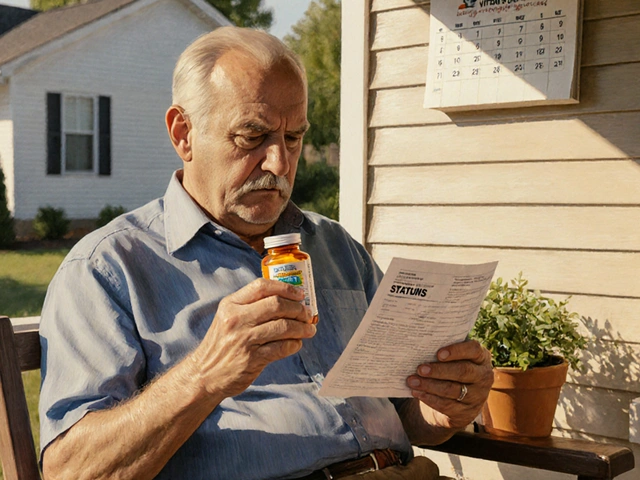
What does this mean for you? If your doctor prescribes a drug with a recent patent, you might be paying more than you need to. But if the patent’s been challenged or expired, you could be eligible for a generic version that works just as well—and costs a fraction. The posts below show how these legal battles connect to real-world issues: why some generics are still expensive, how to spot when a drug should be generic, and what to do if your insurance won’t cover the cheaper version. You’ll also see how patent fights impact side effect reports, drug availability, and even the safety of alternatives you might switch to.
- 10/Nov/2025
- by William Womack
-
 generic drug patent litigation
Hatch-Waxman Act
Orange Book patents
pay-for-delay settlements
Paragraph IV certification
generic drug patent litigation
Hatch-Waxman Act
Orange Book patents
pay-for-delay settlements
Paragraph IV certification
Litigation in Generic Markets: How Patent Disputes Delay Affordable Medicines
Patent litigation in generic drug markets is delaying affordable medicines. Learn how the Hatch-Waxman Act, Orange Book listings, and serial lawsuits are shaping access to generics-and what’s being done to fix it.
ReadLatest Posts