Drug Interactions with OTC: What You Need to Know Before Mixing Medications
When you take an over-the-counter medication, a non-prescription drug used for common symptoms like pain, allergies, or colds. Also known as OTC drugs, they’re meant to be safe and easy to use—but they’re not harmless when mixed with other substances. Many people assume that because these products are sold on shelves without a prescription, they’re harmless. But that’s not true. Drug interactions with OTC are one of the most common causes of unexpected side effects, hospital visits, and even deadly outcomes. A simple pain reliever like ibuprofen can spike your blood pressure if you’re on a blood pressure med. Antihistamines like diphenhydramine can make you drowsy, confused, or even cause urinary retention if you’re older or taking other anticholinergic drugs. These aren’t rare cases—they happen every day.
It’s not just about pills. Herbal supplements like yohimbe, often marketed as energy boosters or libido enhancers, can dangerously raise blood pressure when taken with common hypertension meds. Even something as simple as taking melatonin for sleep can interfere with blood thinners or diabetes drugs. And don’t forget about generics. Just because a drug is generic doesn’t mean it’s less likely to interact—it has the same active ingredient as the brand name, so the risk stays the same. The real problem? Most people don’t tell their doctors what OTCs they’re taking. They think, "It’s just Advil," or "It’s just a cold pill." But your body doesn’t care what the label says—it only cares about what’s in the pill. That’s why knowing what’s in your medicine cabinet matters as much as knowing your prescription list.
Some OTCs are more dangerous than others when mixed. First-gen antihistamines, NSAIDs, decongestants, and even some antacids can trigger serious issues when combined with antidepressants, heart meds, or blood thinners. For example, combining NSAIDs like naproxen with SSRIs like sertraline increases bleeding risk. Taking acetaminophen with alcohol or certain liver-affecting drugs can damage your liver silently. And if you’re managing a chronic condition like heart failure or epilepsy, even small interactions can throw off your entire treatment plan. The good news? You don’t need to be a pharmacist to protect yourself. Just ask: "What’s in this?" and "Could this mess with anything else I’m taking?" Keep a list of everything you use—even vitamins and teas—and bring it to every doctor visit. The posts below cover real cases, hidden risks, and practical fixes—from why Benadryl might be a bad choice for seniors to how to safely switch from one pain reliever to another without risking your health.
- 12/Nov/2025
- by William Womack
-
 OTC medication interactions
prescription drug interactions
acetaminophen overdose
NSAID interactions
drug interactions with OTC
OTC medication interactions
prescription drug interactions
acetaminophen overdose
NSAID interactions
drug interactions with OTC
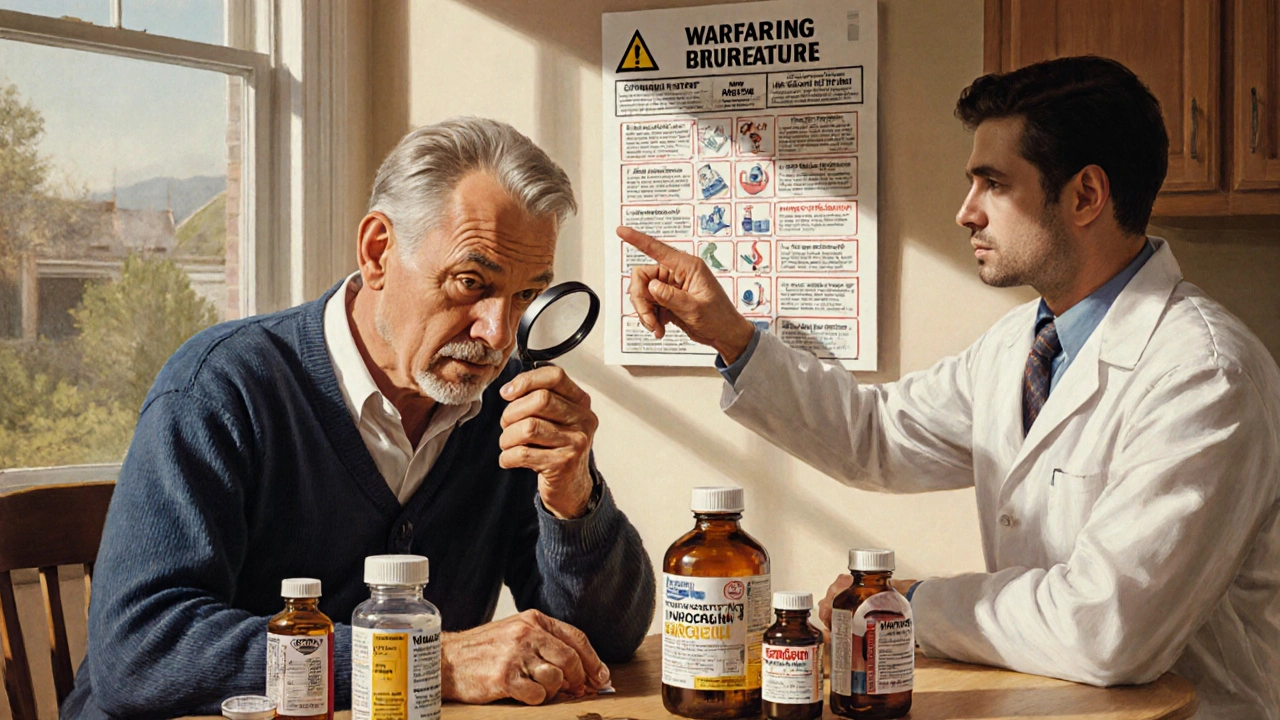
OTC Medication Interactions with Prescription Drugs: What to Check Before You Take Them
Many OTC medications can dangerously interact with prescription drugs, causing bleeding, liver damage, or reduced effectiveness. Learn the top 5 risky combinations and what to check before taking any over-the-counter pill.
Read