
Bone Turnover Markers: What They Reveal About Bone Health
When your bones are actively breaking down and rebuilding, bone turnover markers, biochemical substances in blood or urine that reflect the rate of bone remodeling. Also known as bone resorption and formation markers, they give doctors a real-time look at what’s happening inside your skeleton—without needing an X-ray. This isn’t just about aging. It’s about catching problems early, like when bones start losing density faster than they can rebuild.
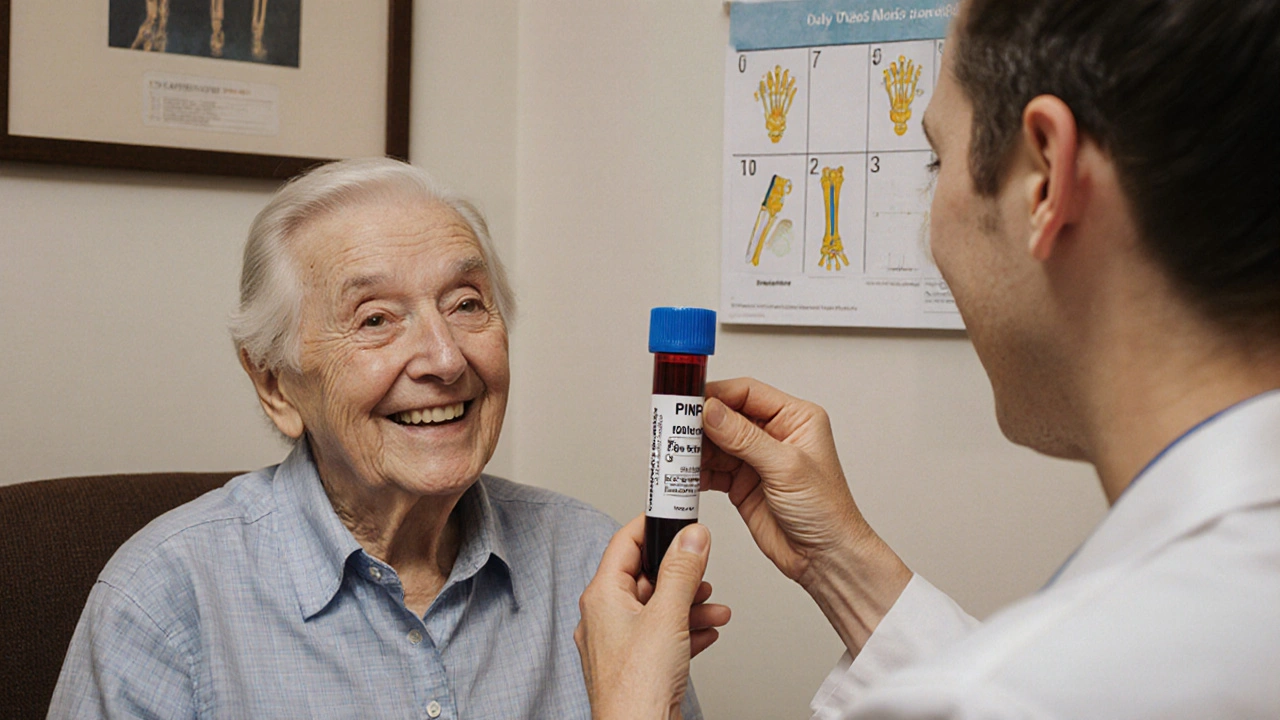
These markers fall into two main groups: those that show bone resorption, the process where old bone is broken down by cells called osteoclasts, and those that track bone formation, the process where new bone is built by osteoblasts. Common resorption markers include CTX and NTX, while PINP and osteocalcin point to new bone growth. When resorption outpaces formation, your bones thin. That’s the start of osteoporosis, a condition where bones become fragile and prone to fractures. These markers don’t diagnose osteoporosis on their own, but they tell you if treatment is working—or if something’s off.
Doctors use them when someone starts a new osteoporosis drug, like bisphosphonates or denosumab. If the markers drop quickly after treatment, it’s a good sign the medication is slowing bone loss. If they stay high, it might mean the drug isn’t working, or the patient isn’t taking it right. They’re also useful for people with conditions that speed up bone turnover—like rheumatoid arthritis, hyperthyroidism, or long-term steroid use. Even athletes with low energy availability or women going through early menopause can benefit from this insight.
You won’t find these tests in a routine blood panel. They’re ordered when there’s a reason to dig deeper—like unexplained bone pain, sudden height loss, or a fracture after a minor fall. And while they’re not perfect—levels can change with meals, time of day, or kidney function—they’re still the most direct way to see bone activity in action. Unlike a DEXA scan, which gives you a snapshot of bone density, these markers show you the speed of change.
The posts below cover related topics you might not expect to connect to bone turnover. From how statins affect muscle and bone metabolism, to how timing your blood pressure meds might influence calcium balance, to how supplements like vitamin D play into bone remodeling, these articles show how interconnected your body’s systems really are. You’ll find practical advice on managing medications that impact bone health, spotting hidden risks, and understanding what your lab results mean in real life—not just in a textbook.
- 24/Nov/2025
- by William Womack
-
 bone turnover markers
osteoporosis therapy
PINP
β-CTX-I
bone health monitoring
bone turnover markers
osteoporosis therapy
PINP
β-CTX-I
bone health monitoring
Bone Turnover Markers: How They Help Monitor Osteoporosis Treatment
Bone turnover markers like PINP and β-CTX-I offer early, reliable insight into how well osteoporosis treatments are working-within weeks, not years. Learn how they guide therapy and improve outcomes.
Read