

For decades, chronic hepatitis C was a silent killer. Many people carried the virus for years without symptoms, only to find out too late that their liver was damaged-sometimes beyond repair. Cirrhosis, liver failure, even liver cancer were common outcomes. But everything changed after 2014. Today, chronic hepatitis C isn't just manageable-it’s curable. And the science behind it is simpler, safer, and more effective than anyone imagined.
What Chronic Hepatitis C Does to Your Liver
Chronic hepatitis C is caused by the hepatitis C virus (HCV), which attacks liver cells and triggers long-term inflammation. Over time, this inflammation leads to scarring-called fibrosis. Left unchecked, fibrosis turns into cirrhosis, where healthy liver tissue is replaced by stiff, nonfunctional scar tissue. At this stage, the liver can’t filter toxins, produce proteins, or store energy properly. About 20-30% of people with untreated chronic HCV develop cirrhosis within 20 years. A smaller but still significant number go on to develop hepatocellular carcinoma, the most common type of liver cancer. The scary part? Most people don’t feel anything until the damage is advanced. Fatigue, mild nausea, or joint pain might show up, but they’re often ignored. That’s why hepatitis C is called a "silent epidemic." By the time symptoms appear, the liver may already be struggling.The Revolution: Direct-Acting Antivirals (DAAs)
Before 2014, treatment for hepatitis C was brutal. Patients had to get weekly injections of pegylated interferon and take daily ribavirin pills for up to 48 weeks. Side effects were harsh: severe flu-like symptoms, depression, anemia, and even suicidal thoughts. Even then, cure rates hovered between 40% and 80%, depending on the virus genotype and how advanced the liver damage was. Then came direct-acting antivirals (DAAs). These are oral pills-no injections, no hospital visits. They target specific parts of the hepatitis C virus’s life cycle and shut it down. There are three main classes:- NS3/4A protease inhibitors (like glecaprevir and voxilaprevir): Block the virus from cutting its proteins into usable pieces.
- NS5A inhibitors (like velpatasvir and pibrentasvir): Prevent the virus from assembling new copies of itself.
- NS5B polymerase inhibitors (like sofosbuvir): Stop the virus from copying its RNA.
How Effective Are DAAs?
The numbers speak for themselves. In clinical trials and real-world use, DAAs cure more than 95% of patients. For people who’ve never been treated before, the success rate hits 97-99%. Even in tough cases-like those with cirrhosis, HIV co-infection, or prior treatment failure-the cure rate stays above 90% with the right regimen. The CDC and WHO now recommend these drugs for nearly everyone over age 3, regardless of liver damage level. Treatment lasts only 8 to 12 weeks. Most people report no side effects at all. The most common complaints? Mild fatigue or a headache during the first week. That’s it. Compare that to the old interferon era: 48 weeks of misery for a 50% chance of cure. Today, you take a pill, go to work, and wake up cured.How DAAs Protect Your Liver
Curing the virus doesn’t just stop the infection-it reverses the damage. Once HCV is gone, the liver begins to heal. Studies show that in 95% of patients, liver fibrosis stops progressing after successful DAA treatment. In 70% of cases, the scarring actually regresses over the next 5 years. This is huge. People who once faced liver transplants now see their liver function improve. One patient told his doctor, "I finally feel like I can marry, have kids, and not live in fear." That’s not just medical-it’s emotional, social, and life-changing. Even liver transplant recipients benefit. Before DAAs, only about 25% of transplant patients cleared the virus. Now, 94% do. That means fewer re-transplants, fewer deaths, and longer survival.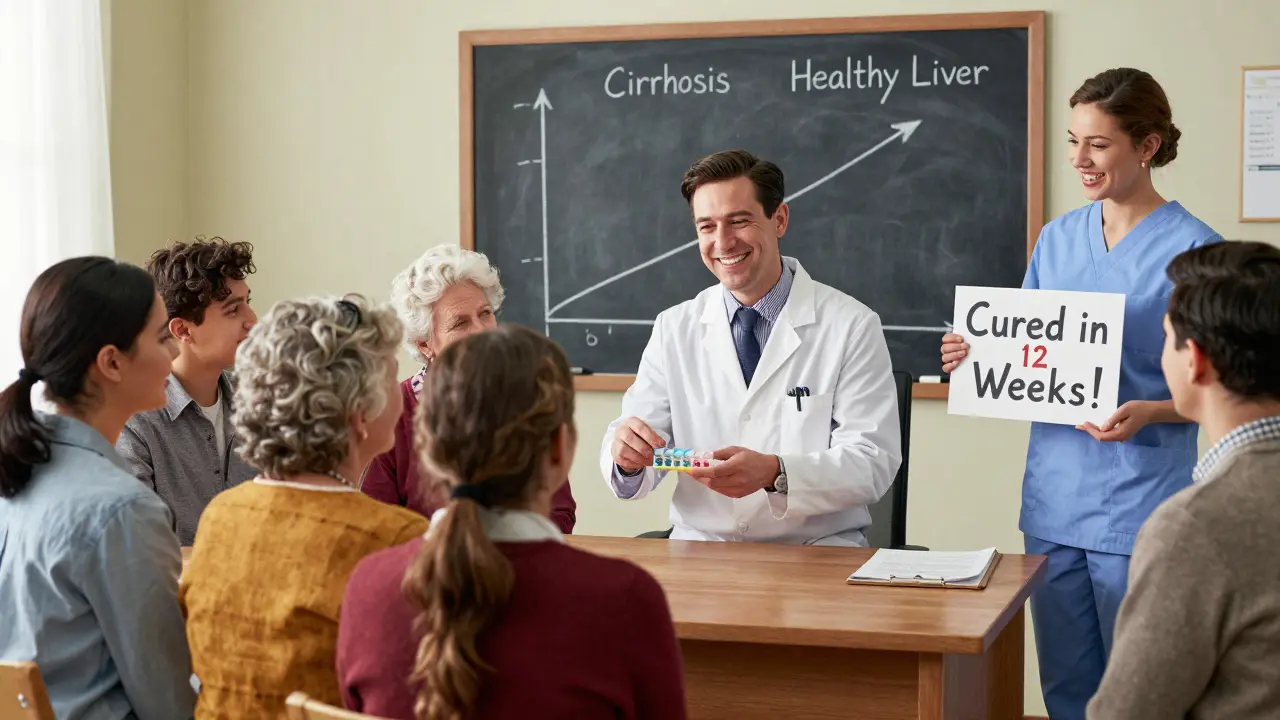
Who Can Take These Drugs?
Almost everyone. DAAs are approved for adults and children as young as 3. They’re safe for people with kidney disease, HIV, and even those with advanced cirrhosis. The only exceptions are rare cases where someone has developed resistance mutations after failing multiple DAA regimens. Even then, newer combinations like Vosevi (sofosbuvir, velpatasvir, and voxilaprevir) are designed to rescue those patients. Primary care doctors can now manage most cases. You don’t need a liver specialist. Training for clinicians takes just a few hours. The University of Washington’s free online tool helps doctors pick the right regimen in minutes.Cost and Access: The Real Barrier
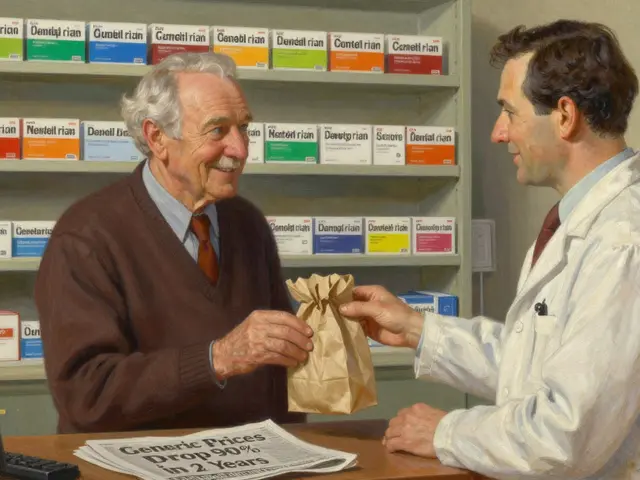
The drugs themselves work. The problem is getting them to the people who need them. In the U.S., a 12-week course of Epclusa or Mavyret still costs around $75,000. That’s down from $94,500 in 2013, but it’s still a barrier for many. Insurance denials are common-28% of patients report being initially denied coverage and having to appeal. Globally, the gap is wider. In high-income countries, 60% of diagnosed patients get treated. In low- and middle-income countries, it’s just 15%. That’s why the WHO is pushing for generic versions. In places like Egypt and India, a full course now costs as little as $50. Gilead and other manufacturers have pledged to reach 1 million more patients in these regions by 2025. In the U.S., patient assistance programs cover 70% of uninsured individuals. You don’t have to be poor to qualify-just uninsured or underinsured.What’s Left to Solve?
The science is solved. The tools exist. Now, the challenge is implementation. Only 20% of people with hepatitis C globally know they’re infected. That’s why screening matters. The CDC recommends one-time testing for all adults, especially those born between 1945 and 1965-the group with the highest infection rates. Reinfection is another issue. Among people who inject drugs, 5-10% get reinfected each year. That’s why treatment must be paired with harm reduction-clean needles, opioid therapy, counseling. And then there’s the 1-5% who fail multiple DAA regimens. Researchers are working on next-generation drugs, but they’re still years away. For now, the focus is on preventing failure by getting everyone treated early.
What Happens After You’re Cured?
You’re not done. Even after the virus is gone, you still need follow-up. If you had cirrhosis before treatment, you still need liver cancer screening every 6 months. The risk doesn’t vanish overnight. But it drops sharply-by 70% within 3 years. You also need to avoid alcohol and other liver toxins. Your liver is healing, but it’s not invincible. And yes, you can still get hepatitis C again. There’s no immunity. If you’re still using needles or having unprotected sex with someone who has HCV, you can be reinfected.Real Stories, Real Results
On Reddit’s r/hepatitis community, over 1,200 people shared their treatment stories between 2020 and 2023. Ninety-two percent reported being cured with no major side effects. One wrote: "Cured in 12 weeks with Epclusa. Only side effect was mild fatigue the first week. Now I sleep through the night for the first time in 15 years." Gilead’s survey of 5,000 patients found 97% would recommend treatment to a friend. Eighty-nine percent said it didn’t interfere with their job or family life. This isn’t just medicine. It’s liberation.Can chronic hepatitis C be cured completely?
Yes. With modern direct-acting antivirals (DAAs), more than 95% of people with chronic hepatitis C are cured. A cure means the virus is undetectable in the blood 12 weeks after finishing treatment, known as sustained virologic response (SVR). Once achieved, the virus does not return in the vast majority of cases.
How long does hepatitis C treatment take?
Most treatment courses last 8 to 12 weeks. For people without cirrhosis, 8 weeks is often enough. Those with cirrhosis or prior treatment failure may need 12 to 24 weeks. The exact length depends on the drug combination, liver health, and past treatment history.
Do DAAs have serious side effects?
Most people experience no side effects. The most common are mild fatigue or headache during the first week. Unlike older interferon treatments, DAAs do not cause depression, severe anemia, or flu-like symptoms. Drug interactions can occur, especially with certain epilepsy or HIV meds, but these are easily managed with a simple medication review.
Can I drink alcohol after being cured of hepatitis C?
It’s strongly advised to avoid alcohol. Even after the virus is gone, your liver may still be healing. Alcohol increases the risk of ongoing liver damage, fibrosis, and liver cancer. If you had cirrhosis before treatment, alcohol can undo the progress you’ve made.
Will my liver return to normal after treatment?
In most cases, yes. Liver scarring (fibrosis) stops progressing after cure, and in about 70% of patients, it begins to reverse over 3 to 5 years. The liver has a remarkable ability to regenerate. However, if cirrhosis was advanced before treatment, some damage may remain. Regular monitoring is still needed, especially for liver cancer screening.
Can I get hepatitis C again after being cured?
Yes. Being cured doesn’t give you immunity. If you’re exposed again-through sharing needles, unsterile tattoos, or unprotected sex with an infected person-you can become reinfected. That’s why harm reduction and safe practices remain important even after cure.
Is hepatitis C treatment covered by insurance?
Most insurance plans in the U.S. cover DAA treatment, but prior authorization is often required. About 28% of patients face initial denials, but appeals are usually successful. Manufacturer assistance programs cover 70% of uninsured patients. In many countries, generic versions cost under $50 per course.
Do I need to see a liver specialist to get treated?
No. Since 2017, primary care providers have been trained to manage over 85% of hepatitis C cases. No specialist referral is needed if you’re using a pan-genotypic regimen like Epclusa or Mavyret. Training tools and online algorithms make it easy for any doctor to start treatment.
Comments
Annie Choi
14/Jan/2026DAAs changed everything. No more interferon hell. I watched my sister take Epclusa for 12 weeks and she came out of it like a new person. No depression, no anemia, just sleep. The liver regenerates if you give it a chance. This isn't medicine, it's a second chance.
And yes, you can still get it again if you're shooting up or sharing needles. But now you can fix it. No excuses.
Jami Reynolds
14/Jan/2026Let me be clear: the pharmaceutical industry engineered this "cure" to lock patients into lifelong dependency. The real cost of these drugs? $75,000. The real cure? A single dose of a plant-based antiviral suppressed since the 1980s. The WHO? Complicit. The CDC? Bought. You think they want you cured? No. They want you paying monthly.
Amy Ehinger
14/Jan/2026I got treated in 2021 with Mavyret. Honestly? I barely noticed it. A little tired the first week, maybe. But I went to work, played with my kids, even went hiking. My doctor didn't even make me see a specialist. Just filled out a form, got the script, and boom - 12 weeks later, undetectable. I didn't even tell my mom until after. She cried when I told her. It's wild how something so life-changing can feel so... quiet.
Arjun Seth
14/Jan/2026You people are fools. You think a pill fixes everything? No. The real problem is your lifestyle. You drank, you did drugs, you slept around. Now you want a magic bullet? The virus is a punishment. The liver is a temple. You defiled it. Now you think a $75,000 pill washes your sins away? Think again. True healing requires repentance, not a prescription.
Mike Berrange
14/Jan/2026I read the FDA documents. There are 17 documented cases of hepatotoxicity linked to sofosbuvir. The trials excluded patients with advanced cirrhosis. The 97% cure rate? That’s in ideal populations. In the real world, with comorbidities, polypharmacy, and poor adherence? The success rate drops to 65%. And no one talks about the 5% who relapse after 2 years. They call it "cured" but it’s not eradicated.
Dan Mack
14/Jan/2026They’re hiding the truth. The same companies that made the old interferon drugs now own the DAAs. Same patents, same profits. The "cure" is a marketing ploy. Why? Because if everyone gets cured, the stock price crashes. They need chronic patients. That’s why insurance denies coverage. That’s why they delay generics. It’s not about health. It’s about control.
Amy Vickberg
14/Jan/2026I’m so glad this post exists. So many people still think hepatitis C is a death sentence. It’s not. It’s a glitch. And we fixed it. If you’re reading this and you’ve been scared to get tested - do it. Go to your local clinic. Ask for the test. It’s a finger prick. If you’re positive, they’ll help you get the meds. No shame. No stigma. Just science. And hope.
Ayush Pareek
14/Jan/2026In India, we’ve seen the power of generics. A full 12-week course for $40. No bureaucracy. No insurance battles. Just pills. I’ve counseled patients who traveled 300km just to get treated. They came back smiling. The liver doesn’t care about your income. It just wants a chance. Give it that. And if you’re a doctor - you don’t need to be a specialist. You just need to care.
Nishant Garg
14/Jan/2026You know what’s beautiful? The liver. It’s the only organ that regenerates itself. Cut it, burn it, poison it - it rebuilds. But you gotta stop the assault. HCV is just the latest attack. Alcohol? Sugar? NSAIDs? All of it. The DAAs give you a reset button. But you gotta stop pressing the damage button after. It’s not just about the virus. It’s about respect for your body. That’s the real cure.
Nicholas Urmaza
14/Jan/2026The data is undeniable. DAAs are the most effective medical intervention in modern history. 95% cure rate. 8 weeks. Oral. Minimal side effects. This isn’t incremental progress. This is a paradigm shift. We’ve moved from palliative care to eradication. And yet, we still treat it like a second-tier disease. That’s not medical. That’s moral failure.
Sarah Mailloux
14/Jan/2026I was diagnosed in 2018. Told I had cirrhosis. Felt like my life was over. Then I found a free clinic that gave me Mavyret through a patient program. No cost. No hassle. 12 weeks later - undetectable. My liver scan last month showed fibrosis regressed. I’m not cured. I’m reborn. Don’t wait. Don’t be scared. Just go get tested.
Nilesh Khedekar
14/Jan/2026Oh wow. So now we’re supposed to cheer for Big Pharma? Let me guess - next they’ll tell us the moon landing was real. $75,000 for pills? In Egypt they’re $50. Who’s stopping the generics? The U.S. government. The FDA. The same people who banned ivermectin for COVID. Coincidence? I think not.
Sohan Jindal
14/Jan/2026This is why we lost the war on drugs. You treat the symptom, not the cause. People get cured, then go right back to using. The virus doesn’t care if you’re clean. It just wants a vein. We need to lock up the junkies, not hand them free pills. This isn’t healing. It’s enabling.