

Millions of people take benzodiazepines every year for anxiety, insomnia, or seizures. But few know the hidden costs-especially when used for months or years. These drugs don’t just calm nerves; they quietly erode memory, increase the chance of a dangerous fall, and create a dependency that’s hard to escape. If you or someone you care about has been on benzodiazepines for more than a few weeks, this isn’t just about stopping a pill-it’s about protecting your brain and your body.
How Benzodiazepines Hurt Memory
Benzodiazepines like diazepam (Valium), lorazepam (Ativan), and alprazolam (Xanax) work by boosting GABA, a calming chemical in the brain. But that same effect blocks the brain’s ability to form new memories. This isn’t just forgetting where you put your keys. It’s anterograde amnesia-the inability to create lasting memories after taking the drug. Studies from the 1980s already showed this. More recent research confirms it: long-term users show clear deficits in recent memory, processing speed, and attention. A 2023 meta-analysis of 19 studies found that people using benzodiazepines long-term scored lower on tests of episodic memory (the kind that lets you recall your last vacation) by an effect size of -0.65. That’s a drop similar to early-stage dementia. Working memory-what lets you hold a phone number in your head long enough to dial it-also takes a hit, with a -0.51 effect size. Worse, these memory problems don’t vanish when you stop taking the drug. One study followed people for 10 months after quitting. Only 45% returned to normal cognitive function. The rest kept struggling with brain fog, slow thinking, and trouble remembering conversations. Brain scans show no permanent damage, but the brain’s wiring seems stuck in a low-activity state. It’s like the brain forgot how to fire efficiently.Falls: A Silent but Deadly Risk
Falls aren’t just accidents. For older adults on benzodiazepines, they’re a medical emergency. A 2014 analysis of over a million people found that benzodiazepine users had a 50% higher chance of falling and a 70% higher chance of breaking a hip. That’s not a small risk. It’s life-changing. Why? These drugs slow reaction time by 25-35% and reduce balance control by 30-40%. In older people, who already have weaker muscles and slower reflexes, that’s enough to turn a stumble into a fracture. High-potency benzodiazepines like alprazolam and lorazepam are especially dangerous-they raise fall risk even more than older drugs like diazepam. The American Geriatrics Society has listed benzodiazepines as potentially inappropriate for older adults since 2012. Every year in the U.S., about 93,000 emergency room visits from falls are tied to these drugs. And it’s not just the elderly. Anyone with balance issues, dizziness, or who takes other sedatives (like sleep aids or painkillers) is at higher risk too.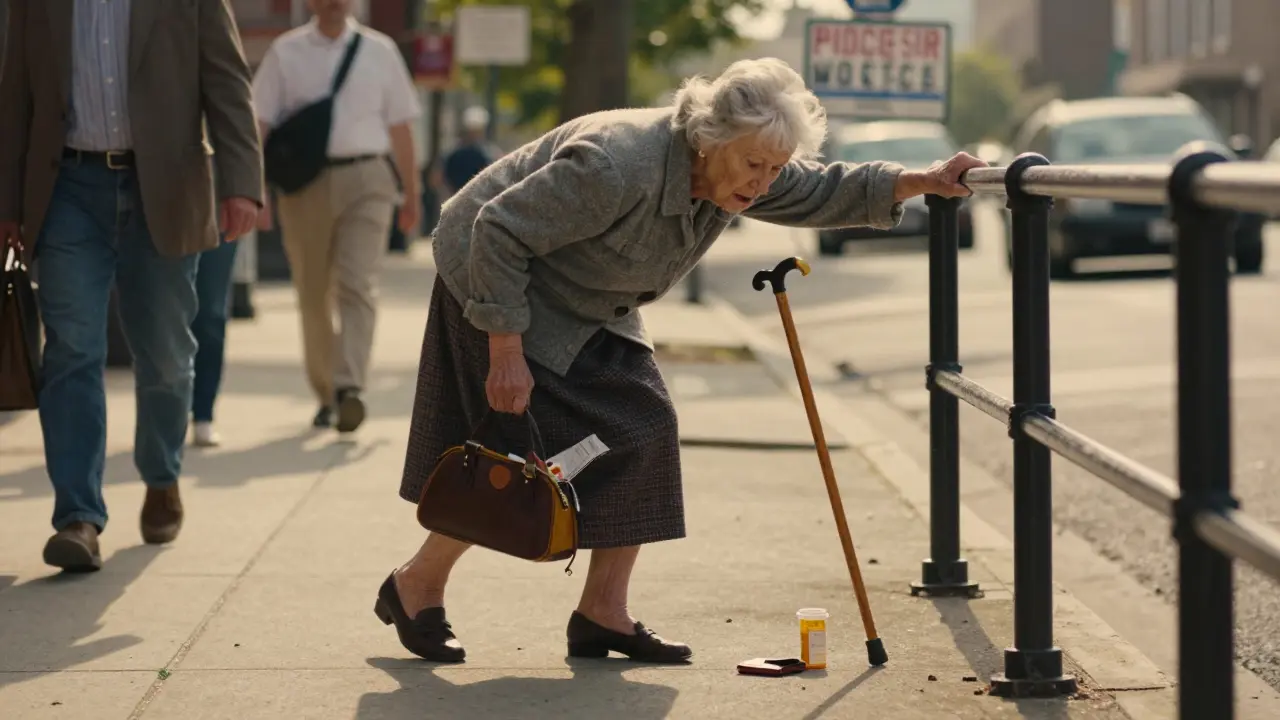
Tapering: The Only Safe Way Out
Stopping benzodiazepines cold turkey is dangerous. Rebound anxiety, seizures, hallucinations, and extreme insomnia can happen. The key is slow, controlled tapering. The gold standard is the Ashton Protocol, developed by Professor C. Heather Ashton in the 1980s. It recommends reducing the dose by 5-10% every one to two weeks. For long-term users, even slower is better-some need just 2-5% per month. Switching from a short-acting drug like alprazolam to longer-acting diazepam often makes the process smoother, because diazepam stays in the body longer, avoiding sharp drops in drug levels. A 2021 trial with 312 long-term users showed that a 12-16 week taper using diazepam helped 68.5% successfully quit. That’s more than double the success rate of those who didn’t taper. And the benefits started fast: within 4 weeks, people saw improvements in processing speed. By 8 weeks, attention and mental clarity improved by nearly 20%. But it’s not easy. About 22% needed to pause the taper for a few weeks because symptoms flared up. A few had to stop entirely because the withdrawal felt unbearable. That’s why support matters. People on online forums like the Benzodiazepine Information Coalition report that tracking progress with apps like BrainBaseline helped them stay motivated. One user wrote: “I didn’t believe my memory would come back-until it did. Slowly. But it came.”Who Should Avoid These Drugs
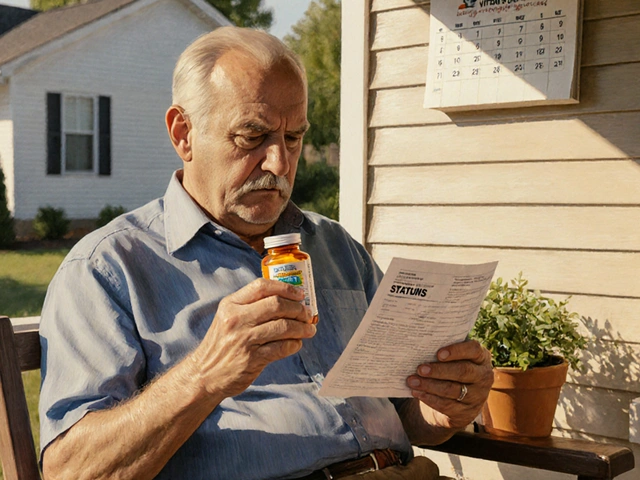
The American Psychiatric Association says benzodiazepines should never be prescribed for more than four weeks for anxiety. That’s not a suggestion-it’s a warning based on hard evidence. The risks outweigh the benefits after that point. If you’re over 65, the guidelines are even stricter: daily doses should not exceed 5 mg of diazepam equivalent. For younger adults, the limit is 10 mg. But even those limits may be too high for some. A 2023 study found that 30% of older adults showed little to no cognitive decline despite long-term use-suggesting genetics or lifestyle might protect some. But you can’t know if you’re one of them until you test it. That’s why regular cognitive screening matters. Doctors should check MMSE or MoCA scores at the start of treatment and every six months. If scores drop by 2-3 points, it’s time to consider stopping.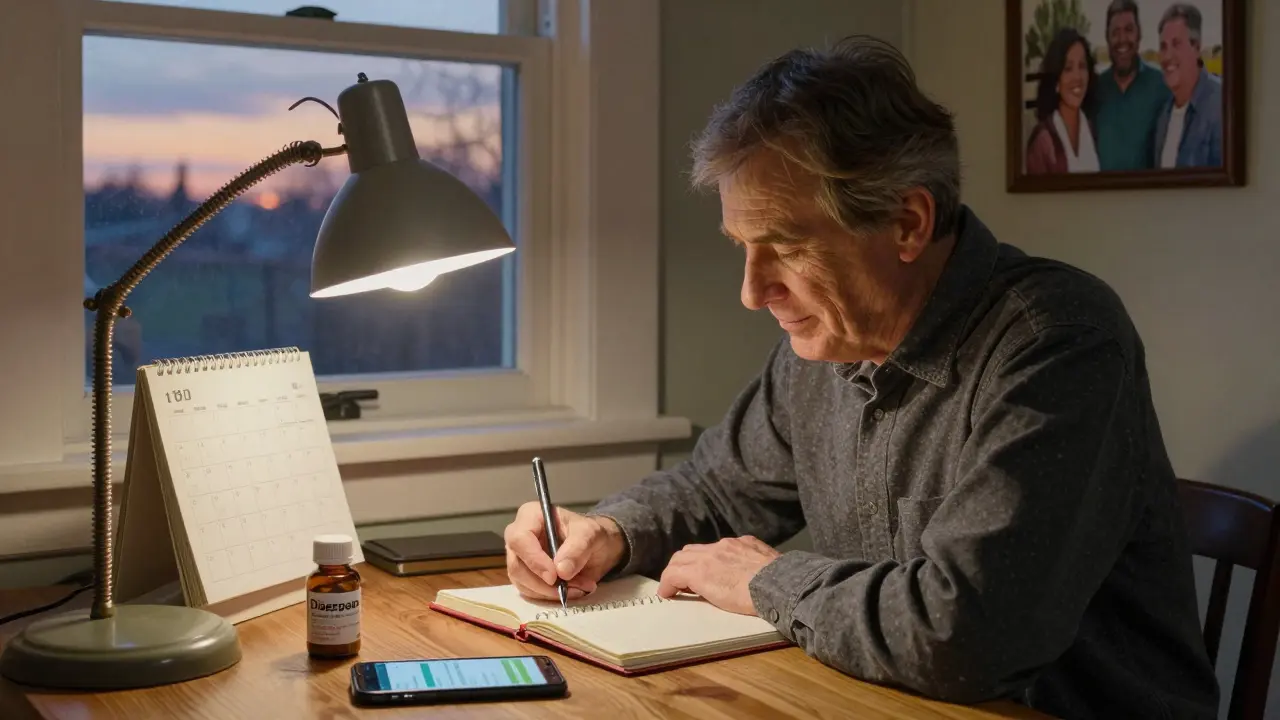
What Comes Next?
There’s hope on the horizon. New drugs are being tested that target only specific GABA receptors linked to anxiety-not those tied to memory or sedation. Early trials of α2/α3-selective agonists show 70% anxiety relief without memory loss. These aren’t available yet, but they prove that effective anxiety treatment without brain fog is possible. Until then, the safest path is clear: avoid long-term use. If you’re already on benzodiazepines, don’t panic. But do talk to your doctor about tapering. Many people who quit report better sleep, clearer thinking, and less anxiety after six months. Not because the drug was wrong, but because their brain finally got the chance to heal.What to Do Now
- If you’ve been on benzodiazepines for more than 4 weeks, ask your doctor about cognitive testing.
- If you’re over 65, review your meds-there’s a good chance you can stop safely.
- If you’re thinking of quitting, don’t do it alone. Use a slow taper plan (like Ashton’s) and track your symptoms.
- Consider switching to diazepam if you’re on a short-acting drug-it makes withdrawal easier.
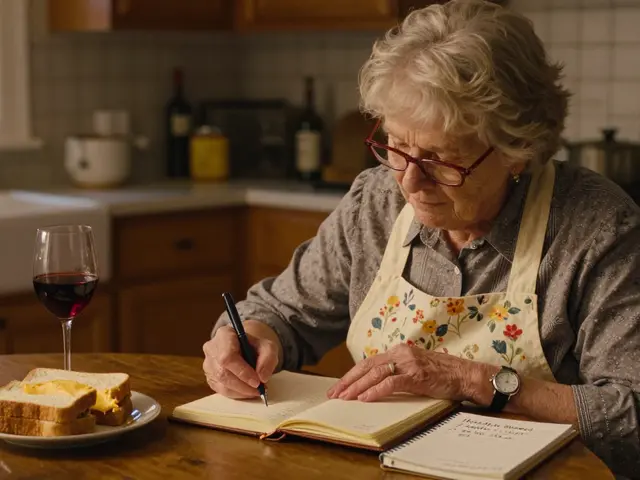
- Use apps or journals to monitor memory and focus. Progress isn’t always obvious day-to-day.
These drugs were meant to help. But for many, they’ve become a hidden burden. The good news? Your brain is resilient. With time and the right plan, recovery is possible.
Can benzodiazepines cause permanent memory loss?
No, benzodiazepines don’t cause permanent structural brain damage. But long-term use can lead to persistent functional impairments in memory, attention, and processing speed. Studies show that 55% of long-term users still have cognitive deficits months after stopping. These aren’t permanent in the sense of brain cell death, but they can last for over a year and feel very real. Recovery is common, but slow.
Is it safe to stop benzodiazepines suddenly?
No. Stopping suddenly can trigger severe withdrawal symptoms including seizures, hallucinations, panic attacks, and rebound insomnia. Even people who’ve taken low doses for a few weeks can experience dangerous withdrawal. Always taper under medical supervision using a slow, gradual reduction plan.
Why is diazepam often used for tapering instead of other benzodiazepines?
Diazepam has a long half-life, meaning it stays in the body longer. This prevents the sharp drops in drug levels that cause withdrawal symptoms. Other benzodiazepines like alprazolam or lorazepam leave the body quickly, leading to peaks and valleys in symptoms. Switching to diazepam smooths the process, making tapering more manageable and less likely to trigger anxiety or seizures.
How long does it take to recover cognitively after quitting?
Improvement often starts within 4-8 weeks of tapering, especially in attention and processing speed. But full recovery can take 6-12 months, and sometimes longer. A 2023 study found that 73% of people who successfully tapered reported gradual cognitive improvement over this period. Patience and consistent tracking are key-progress isn’t linear.
Are there alternatives to benzodiazepines for anxiety or insomnia?
Yes. For anxiety, SSRIs like sertraline or citalopram are first-line treatments with fewer risks. For insomnia, cognitive behavioral therapy for insomnia (CBT-I) is more effective long-term than sleeping pills. Non-benzodiazepine sleep aids like zolpidem carry their own risks but are sometimes used short-term. Always discuss alternatives with your doctor-many people find relief without drugs at all.



Comments
John Sonnenberg
7/Feb/2026I've been on Xanax for six years. Not because I wanted to, but because every time I tried to stop, I felt like my brain was being ripped out through my eyeballs. The memory loss? Real. I forgot my daughter's recital. Not because I didn't care. Because my brain just... didn't save it. I'm 18 months into tapering. Still foggy. Still tired. But I can remember my own name again. That's something.
PAUL MCQUEEN
7/Feb/2026This article is basically fearmongering dressed up as science. People have been on benzos for decades and are fine. The studies cited? Tiny samples. The 2023 meta-analysis? Correlation isn't causation. I'm not saying it's safe, but the tone here is alarmist and unbalanced.
glenn mendoza
7/Feb/2026I appreciate the thoroughness of this piece. The evidence presented is both compelling and sobering. It is imperative that patients be informed of the long-term cognitive implications of benzodiazepine use. The Ashton Protocol remains the gold standard, and I commend the author for highlighting its efficacy. Recovery is not only possible-it is profoundly attainable with patience and proper guidance.
John Watts
7/Feb/2026Let me tell you something: your brain is not broken. It’s just been asleep. Benzodiazepines don’t destroy your mind-they put it on pause. And guess what? Your brain remembers how to wake up. I quit after 8 years. First month? I cried a lot. Second month? I forgot how to make coffee. Third month? I remembered my mom’s voice. Fourth? I started painting again. It’s not linear. It’s not quick. But it’s worth every second. You’re not losing yourself. You’re finding it again.
Randy Harkins
7/Feb/2026This is exactly the kind of information we need more of. The Ashton Protocol is life-changing. I switched from alprazolam to diazepam and felt immediate relief from the withdrawal spikes. My memory started coming back around week 10. I track everything in a journal. It helps. Also, CBT-I for insomnia worked better than any pill. You don’t need drugs to sleep. You just need structure. And patience.
Chima Ifeanyi
7/Feb/2026The data is cherry-picked. You cite effect sizes but ignore confounding variables-polypharmacy, age-related neurodegeneration, socioeconomic stressors. The real issue is that pharmaceutical companies pushed these drugs as 'safe' for decades. Now the backlash is overcorrecting. The problem isn’t benzos-it’s the medical-industrial complex that created this dependency in the first place. Stop blaming the drug. Start blaming the system.
Tori Thenazi
7/Feb/2026I know someone who died from a fall after being prescribed Ativan. The doctor said it was 'low risk.' The pharmacy didn’t warn her. The FDA didn’t flag it. I’ve been reading every study since. I’m convinced this is a cover-up. There’s a reason they call it 'the silent epidemic.' They don’t want you to know how many people are dying quietly. And they definitely don’t want you to know about the lawsuits they’re settling out of court.
Angie Datuin
7/Feb/2026I started tapering last year. It’s been slow. Some days I feel fine. Other days I feel like I’m underwater. But I’ve noticed I’m sleeping better without the pills. Not deeper-just more natural. I don’t wake up feeling like I’ve been drugged. That’s enough for me.
Jonah Mann
7/Feb/2026I tried to quit cold turkey. Bad idea. Seizure scare. Ended up in the ER. Now I’m on diazepam taper. 2.5% every 3 weeks. It’s a grind. But my focus is better. I can read a whole book again. I used to forget the title by page 3. Also, my dog stopped barking at me. I think she could tell I was a zombie before. Now I’m just... me.
THANGAVEL PARASAKTHI
7/Feb/2026In India, we don’t have access to this kind of info. Most doctors still prescribe lorazepam for months. I’m trying to spread awareness. My cousin stopped after 5 years. Took 14 months to taper. She’s back to teaching. Her students say she’s more present now. I think this info needs to go global. Not just for the US.
Chelsea Deflyss
7/Feb/2026You people are so dramatic. I’ve been on Valium for 12 years. I’m 72. I’m sharp. I remember my wedding. I remember my kids’ names. You’re all panicking over nothing. If it ain’t broke, don’t fix it. The real problem? People who can’t handle life without a chemical crutch.
Tricia O'Sullivan
7/Feb/2026Thank you for this. The tone is measured, evidence-based, and compassionate. I work in geriatric care, and I see the consequences daily. The most heartbreaking cases are not the ones with severe dementia, but the ones where cognitive decline began after a routine prescription. We need better screening. We need mandatory cognitive baseline assessments. This article is a step in the right direction.
Alex Ogle
7/Feb/2026I’m not sure if I believe in recovery. I quit six months ago. My memory’s better. My anxiety? Worse. I thought the drugs were the problem. Turns out, they were just hiding the real issue. Now I’m sitting here, wide awake at 3 a.m., wondering if I’m broken for good. Maybe the brain doesn’t heal. Maybe it just learns to live with the damage. I don’t know anymore.
Brandon Osborne
7/Feb/2026You’re all just weak. If you can’t handle anxiety without a pill, you’re not sick-you’re lazy. This isn’t a medical crisis. It’s a moral one. People used to deal with stress. Now they pop a pill and call it therapy. Stop blaming the drug. Start taking responsibility. Your brain didn’t get lazy because of benzos. It got lazy because you did.