

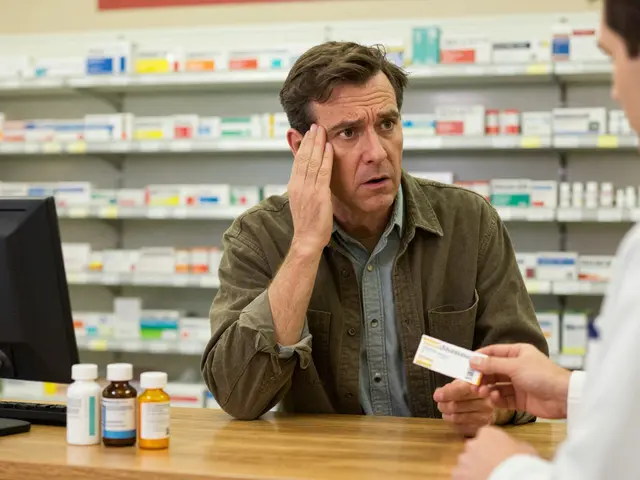
Ever opened a prescription bottle and seen a pill that looks nothing like the one you’ve been taking-but the name on the label is the same? You’re not imagining things. That’s an authorized generic. It’s not a different drug. It’s the exact same medicine, made in the same factory, with the same ingredients, just packaged under a different label. No magic. No secret formula. Just a different box.
What Exactly Is an Authorized Generic?
An authorized generic is a brand-name drug that’s sold without the brand name on the bottle. Think of it like a car manufacturer selling the exact same model under a different badge. Pfizer makes Lipitor. But they also make an authorized generic version of atorvastatin-the active ingredient in Lipitor-sold under a plain label. Same pills. Same factory. Same quality. Just no brand logo. The U.S. Food and Drug Administration (FDA) defines it clearly: an authorized generic is a drug approved under the original brand’s New Drug Application (NDA). That means it skips the usual generic approval process. It doesn’t need to prove it works the same way as the brand. Why? Because it’s literally the same thing. You won’t find authorized generics listed in the FDA’s Orange Book-the official directory of approved generic drugs. That’s because they’re not generics in the traditional sense. They’re the brand drug wearing a disguise.How Is It Different From a Regular Generic?
Regular generics are made by other companies after the brand’s patent expires. They must prove they’re bioequivalent to the brand-meaning they deliver the same amount of active ingredient into your bloodstream at the same rate. But they can use different inactive ingredients. That’s why your generic pill might be blue instead of yellow, or oval instead of round. Sometimes, those differences cause minor issues for people with allergies or sensitivities. Authorized generics don’t have that problem. They use the exact same inactive ingredients as the brand. Same fillers. Same coatings. Same shape. Same color. The only thing that changes is the label. If you’ve ever wondered why your doctor says, “It’s the same drug,” they’re talking about authorized generics. You’re getting the brand version without the brand price tag.Why Do Companies Make Authorized Generics?
It’s not charity. It’s business. When a drug’s patent expires, the first generic company to file gets 180 days of exclusive rights to sell the generic version. That’s a big financial win. But brand manufacturers don’t want to lose all their customers. So they launch their own generic version-right then and there. It’s called an authorized generic. Pfizer’s Greenstone, Procter & Gamble’s Prasco, and other subsidiaries are built specifically for this. They make the same drug, slap a plain label on it, and sell it for less. Sometimes, they even undercut the first generic company’s price. That’s how they keep market share. The result? The 180-day exclusivity period gets diluted. The first generic company might not make as much money as expected. That’s why some critics say authorized generics mess with the system designed to encourage competition.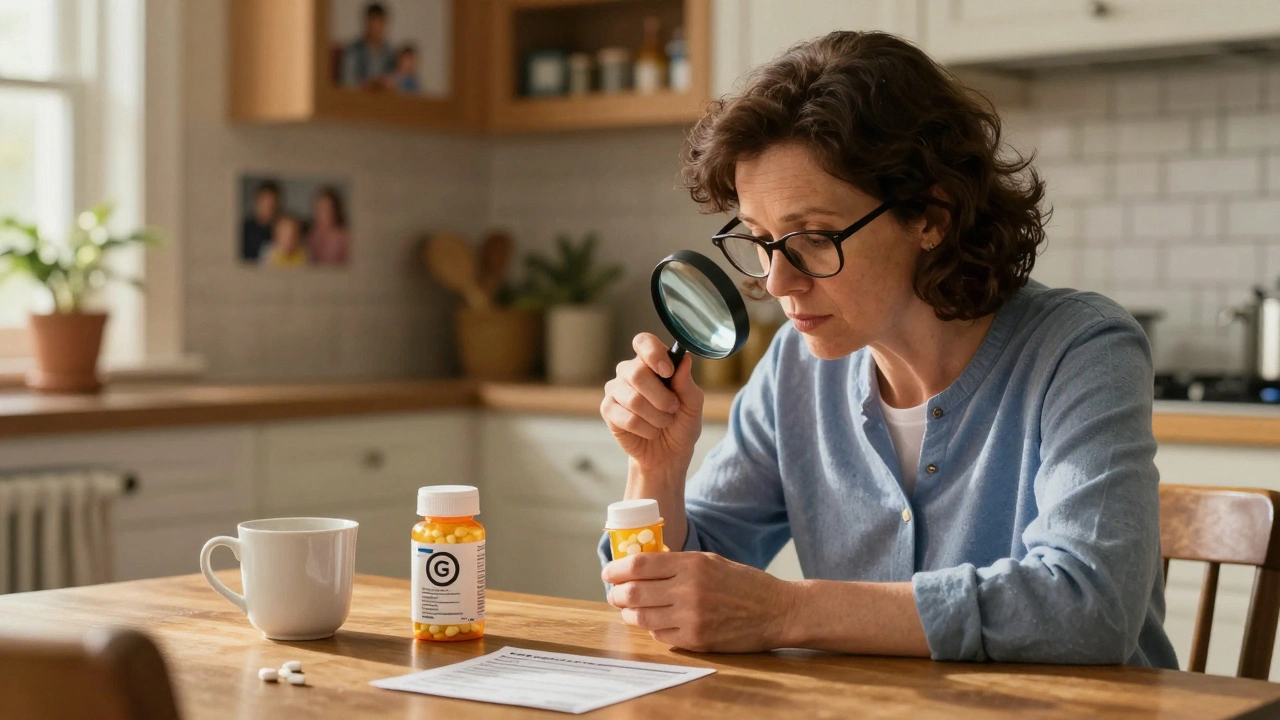
Are Authorized Generics Safe?
Yes. Absolutely. The FDA treats them as therapeutically equivalent to the brand-name drug. That’s because they’re identical. No testing needed. No guesswork. If your brand drug works for you, the authorized generic will too. In fact, some pharmacists prefer dispensing them because there’s zero risk of variation in how the drug behaves in your body. Patients sometimes get confused. “This pill looks different,” they say. But that’s only because the brand name is gone. The pill itself? Same as before. Some authorized generics even keep the same imprint code (the letters or numbers stamped on the pill) to avoid confusion.Why Don’t More People Know About Them?
Because the system is designed to hide them. Pharmacists don’t always know they’re dispensing an authorized generic. They’re not listed in the Orange Book, so automated systems don’t flag them as generics. A pharmacist might think they’re giving you the brand drug, when in fact, it’s the same thing under a different label. Prescribers often don’t mention them either. If your doctor writes “atorvastatin,” you might get a regular generic. If they write “Lipitor,” you get the brand. But if the pharmacy substitutes with an authorized generic, you might never know. And patients? They don’t ask. They trust the pharmacy. Unless they’re paying attention to the label or comparing prices, they won’t notice the difference.How to Spot an Authorized Generic
You won’t always see it on the bottle. But here’s how to find out:- Check the label. If it says “manufactured for” or “distributed by” a company like Greenstone, Prasco, or Patriot, it’s likely an authorized generic.
- Compare the pill’s shape, color, and imprint to your brand pill. If they match exactly, it’s probably an authorized generic.
- Ask your pharmacist: “Is this an authorized generic?” They can check the FDA’s List of Authorized Generic Drugs, which they maintain separately.
- Look up the drug on GoodRx or other price comparison tools. If the price is lower than the brand but higher than a regular generic, it’s often an authorized generic.
What This Means for Your Wallet
Authorized generics usually cost less than the brand-but more than a regular generic. Why? Because they’re made by the same company that owns the brand. They’re not competing on the lowest possible price. They’re competing on trust. If you’re on a tight budget, a regular generic might be cheaper. But if you’ve had issues with other generics-side effects, inconsistent results, or just plain anxiety about switching-authorized generics are the safest alternative. You get the brand’s reliability without the brand’s price. Some insurance plans treat authorized generics like brand-name drugs. That means higher copays. Always check. If your plan doesn’t cover them at the generic tier, ask your pharmacist to switch you to a regular generic-or ask your doctor to specify “dispense as written” if you want the brand.What’s the Future?
More drugs will go off-patent in the next five years. As that happens, authorized generics will become even more common. Big pharma companies aren’t going to walk away from billions in revenue just because the patent expired. They’ll keep making their own generics. There’s talk in Congress about changing the rules. Some lawmakers argue that authorized generics undermine the Hatch-Waxman Act’s goal of encouraging generic competition. Others say they give patients more choice and better access. Right now, the FDA keeps the list updated. The system stays. And patients? They keep getting the same medicine-just with a new label.Final Thought: You’re Not Getting a Second-Rate Drug
If you’re handed an authorized generic, don’t think you’re getting the cheap version. You’re getting the real thing. Same factory. Same formula. Same results. The only thing that changed is the price-and maybe the color of the pill. The next time you pick up a prescription and wonder why the label looks different, remember: it’s not a different drug. It’s the same one. Just without the name on it.Are authorized generics the same as brand-name drugs?
Yes. Authorized generics are chemically and physically identical to their brand-name counterparts. They’re made in the same facility, with the same active and inactive ingredients, and the same manufacturing process. The only difference is the label.
Why do authorized generics cost more than regular generics?
Because they’re made by the original brand manufacturer, not a competing generic company. They don’t have the same cost pressures as traditional generics, so they’re priced higher-usually between the brand and the cheapest generic. You pay a bit more, but you get the exact same product.
Can I trust an authorized generic if I’ve had bad reactions to other generics?
Yes. Regular generics can have different inactive ingredients, which sometimes cause reactions. Authorized generics use the exact same inactive ingredients as the brand, so if you’ve had issues with other generics but not the brand, switching to an authorized generic often solves the problem.
Are authorized generics listed in the FDA’s Orange Book?
No. Authorized generics are marketed under the brand’s original New Drug Application (NDA), so they don’t appear in the Orange Book. That’s why pharmacists sometimes don’t recognize them as generics-they’re not in the usual database.
How do I know if my pharmacy is giving me an authorized generic?
Check the label for manufacturer names like Greenstone (Pfizer), Prasco (Procter & Gamble), or Patriot. Ask your pharmacist directly: “Is this an authorized generic?” They can check the FDA’s separate List of Authorized Generic Drugs to confirm.

Comments
Kyle Flores
4/Dec/2025I used to freak out every time my pill looked different. Then I learned about authorized generics and my mind blew open. Same exact drug, same factory, same everything-just no fancy logo. I wish more people knew this. My anxiety dropped 90% once I stopped thinking I was getting a ‘cheap version.’
Ryan Sullivan
4/Dec/2025Let’s be clear: authorized generics are a regulatory loophole disguised as consumer benevolence. The Hatch-Waxman Act was designed to foster competition, not enable brand manufacturers to monopolize the generic market under a different label. This isn’t transparency-it’s strategic obfuscation wrapped in FDA-approved semantics.
Wesley Phillips
4/Dec/2025so like… the brand just slaps a white label on the same pills and calls it a day??
no cap. that’s wild.
also why do pharmacists not tell you this??
my grandma took the ‘generic’ for 2 years and cried when she saw the original bottle. turns out it was the same damn thing. i’m not mad. i’m just disappointed in the system.
Olivia Hand
4/Dec/2025Interesting how the system hides these. I’ve had bad reactions to regular generics-itching, nausea-and switched to the brand out of fear. Turns out, my pharmacy had been giving me an authorized generic the whole time. No side effects. Same pill. Just no name on it. Why isn’t this common knowledge? It’s like the pharma industry doesn’t want us to know we can have safety without the premium.
Desmond Khoo
4/Dec/2025OMG this is such a game-changer 😍
just found out my insulin is an authorized generic and I’m saving $120/month 🤯
no joke-my wallet and my anxiety are both breathing easier now.
please share this with everyone you know. it’s not magic. it’s just… honesty.
Louis Llaine
4/Dec/2025So let me get this straight. The company that charges you $500 for a bottle of Lipitor… also sells you the exact same pills for $30… under a different label?
And we’re supposed to be impressed?
Brilliant. Just brilliant. You’re not saving money-you’re being manipulated by a marketing trick dressed up as a ‘solution.’
Jane Quitain
4/Dec/2025i just learned about this today and i feel like a total idiot for never asking before 😅
my pharmacist said ‘it’s the same thing’ but i thought she meant ‘similar’
now i’m gonna check every bottle. thank you for writing this. i needed to know.
Kyle Oksten
4/Dec/2025This isn’t just about drugs. It’s about trust in systems. We assume ‘brand’ means ‘better,’ but the truth is often more mundane: the same machine, the same chemist, the same quality control-just a different sticker. The real question isn’t whether authorized generics work-it’s why we’ve been conditioned to believe that labels determine value.
Sam Mathew Cheriyan
4/Dec/2025you think this is about pills? nah. this is a psyop. big pharma owns the FDA. they made the rule so they can still charge you for the same drug under a new name. they even control the pharmacist’s software so you never know. they’re making you think you’re saving money while they just move the money from one pocket to another. the real generic? still blocked by patent trolls. this is all theater.
Ernie Blevins
4/Dec/2025So you’re telling me the brand company makes the generic too? That’s not competition. That’s a monopoly with a side of confusion. People are paying more than they should because they don’t know the difference. And the system? It’s designed to keep them clueless. This isn’t innovation. It’s exploitation dressed in white.