Authorized Generic Medications: What They Are and Why They Matter
When you hear authorized generic, a brand-name drug sold under a generic label with identical active ingredients, packaging, and manufacturing. Also known as brand-generic, it's not a copy—it's the same pill, made by the same company, just cheaper. This isn’t marketing hype. It’s how the FDA lets drugmakers sell their own brand-name medicine as a generic after patent protection ends. You get the exact same formula, same factory, same quality control—just without the brand name on the bottle.
Authorized generics are different from regular generics. Regular generics are made by other companies after the patent expires. Authorized generics? They’re made by the original brand company itself. Think of it like a car manufacturer selling the same model under a different badge. No changes to the engine, no shortcuts in production. That’s why they work just as well—and why some doctors recommend them over other generics, especially for drugs with narrow therapeutic windows like seizure meds or thyroid hormones.
Why does this matter? Because generic drugs, medications approved by the FDA as bioequivalent to brand-name versions can vary in price and availability. But authorized generic prices are often the lowest you’ll find, because the brand company doesn’t need to compete with its own product—it just wants to keep market share. And since they’re made in the same facility, you avoid the small batch-to-batch differences that can happen between different generic manufacturers.
Not all drugs have authorized generics. They only appear when the original maker decides to launch one. That’s why you might see an authorized generic for your blood pressure pill but not for your antidepressant. The FDA approval, the process that ensures all generic drugs meet strict standards for safety, strength, and quality still applies—same as any other generic. But the origin story is different. And that’s worth knowing when you’re trying to save money without risking effectiveness.
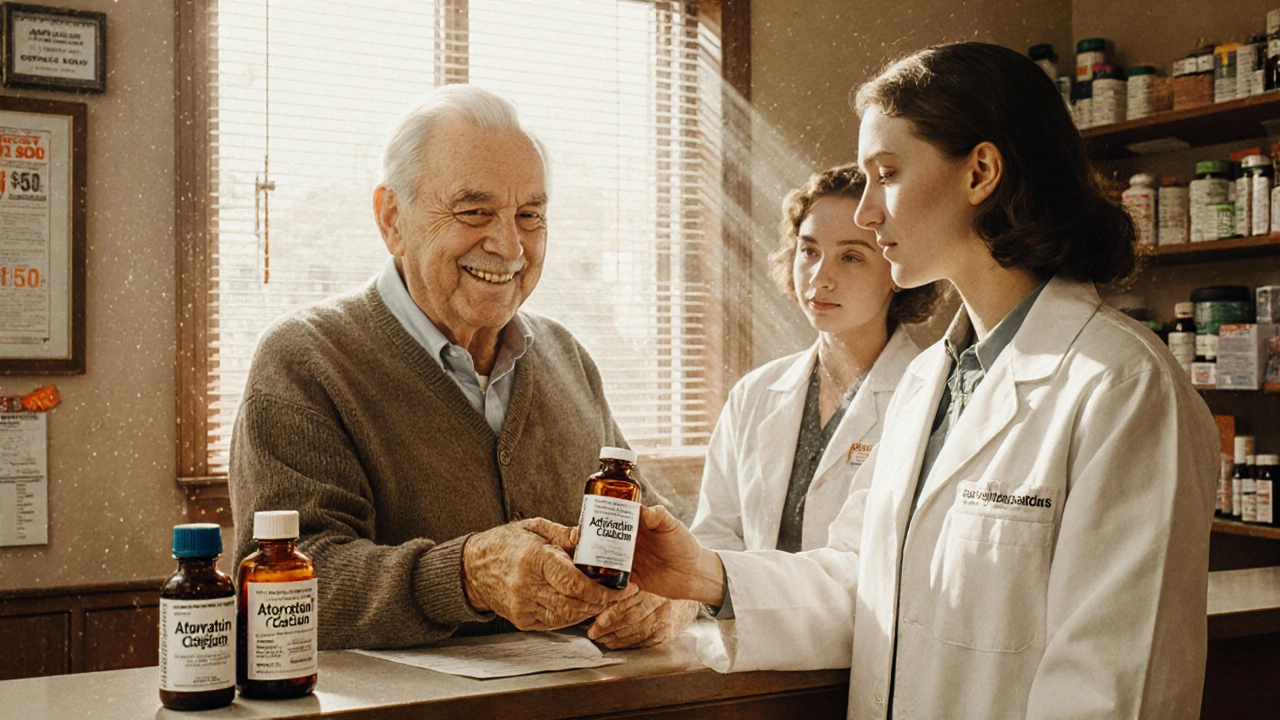
You’ll find authorized generics in mail-order pharmacies, big retail chains, and even some specialty clinics. They’re often listed under the brand name with "(authorized generic)" after it. Check your prescription label. If you’re paying full price for a brand drug, ask your pharmacist: "Is there an authorized generic version?" It could cut your monthly cost by 50% or more.
There’s no trick here. No hidden catch. Just the same medicine, same results, lower price. And if you’ve ever worried that generics might not work as well—authorized generics prove that’s not true. They’re not second-best. They’re the original, repackaged.
Below, you’ll find real-world guides on how these drugs are made, how they’re regulated, how they compare to brand names, and how to spot them on your prescription. Whether you’re managing a chronic condition, juggling multiple meds, or just trying to stretch your healthcare dollar, this collection gives you the facts you need to make smarter choices—without the fluff.
- 26/Nov/2025
- by William Womack
-
 authorized generic
brand to generic switch
generic medication
drug cost savings
FDA authorized generic
authorized generic
brand to generic switch
generic medication
drug cost savings
FDA authorized generic
Switching from Brand to Authorized Generic: Practical Tips for Lower Costs Without Compromising Care
Learn how switching from a brand-name drug to an authorized generic can save you money without affecting effectiveness. Discover how to identify, verify, and switch safely.
Read