

When your thyroid slows down, everything slows down. Fatigue that won’t go away, weight gain even when you’re eating less, feeling cold in a warm room - these aren’t just signs of aging or stress. For millions, they’re symptoms of hypothyroidism, an underactive thyroid that’s not making enough hormones to keep your body running right.
What Exactly Is Hypothyroidism?
Hypothyroidism happens when your thyroid gland - a small butterfly-shaped organ at the base of your neck - doesn’t produce enough thyroid hormones, mainly T4 (thyroxine) and T3. These hormones control your metabolism, heart rate, body temperature, and even how your brain works. Without enough of them, your body’s systems start to drag. About 95% of cases are called primary hypothyroidism, meaning the problem starts in the thyroid itself. The other 5% are central hypothyroidism, where the pituitary gland or hypothalamus fails to signal the thyroid to work. In the UK and US, the most common cause by far is Hashimoto’s thyroiditis - an autoimmune condition where your immune system mistakenly attacks your thyroid. It’s responsible for 90% of spontaneous cases in iodine-sufficient areas. Other causes include thyroid surgery (especially after removing part or all of the gland), radioactive iodine treatment for hyperthyroidism, or radiation therapy for head and neck cancers. Around 20-30% of people who get radiation for cancer develop hypothyroidism within five years. Postpartum thyroiditis - a temporary inflammation after childbirth - affects 5-10% of new mothers, sometimes leading to permanent underactivity.How Do You Know If You Have It?
Symptoms don’t always show up at once. Many people notice them slowly, over months or even years. That’s why it’s often mistaken for just being tired or getting older. The most common signs:- Fatigue (95% of patients)
- Cold intolerance (85%)
- Weight gain (5-10 kg on average, 75% of cases)
- Constipation (60%)
- Dry skin and thinning hair (50%)
- Brain fog or trouble concentrating (40%)
- Depression or low mood (30%)
How Is It Diagnosed?
Diagnosis isn’t based on symptoms alone. Blood tests are the gold standard. The first test is always TSH. If it’s above 4.0 mIU/L, especially over 4.5, your doctor will check your free T4 (FT4). In primary hypothyroidism, TSH is high and FT4 is low - usually below 0.8 ng/dL. In central hypothyroidism, TSH is normal or low, but FT4 is still low. If Hashimoto’s is suspected, your doctor will test for thyroid peroxidase antibodies (TPO). These are positive in 90% of Hashimoto’s cases. Fourth-generation TSH assays are over 98% accurate when paired with FT4 testing. Don’t rely on symptoms alone. Many people with normal TSH still feel awful. Others with high TSH feel fine. That’s why testing, not guessing, is the rule.Levothyroxine: The Standard Treatment
Levothyroxine - a synthetic form of T4 - is the treatment for nearly everyone with hypothyroidism. It’s safe, effective, and has been used for over 60 years. The American Thyroid Association calls it the only recommended first-line therapy. Dosing isn’t one-size-fits-all. For a healthy adult under 50, the starting dose is usually 1.6 mcg per kilogram of body weight. That’s about 100-150 mcg daily for someone of average weight. But if you’re over 50, or have heart disease, your doctor will start lower - often 25 to 50 mcg - and increase slowly, by 25 mcg every 6 weeks. Why the slow start? Too much levothyroxine too fast can trigger palpitations, anxiety, or even bone loss. In older adults, especially over 85, the goal isn’t to get TSH into the “normal” range - it’s to avoid pushing it too low. A TSH of 4-6 mIU/L might be safer than 2.0.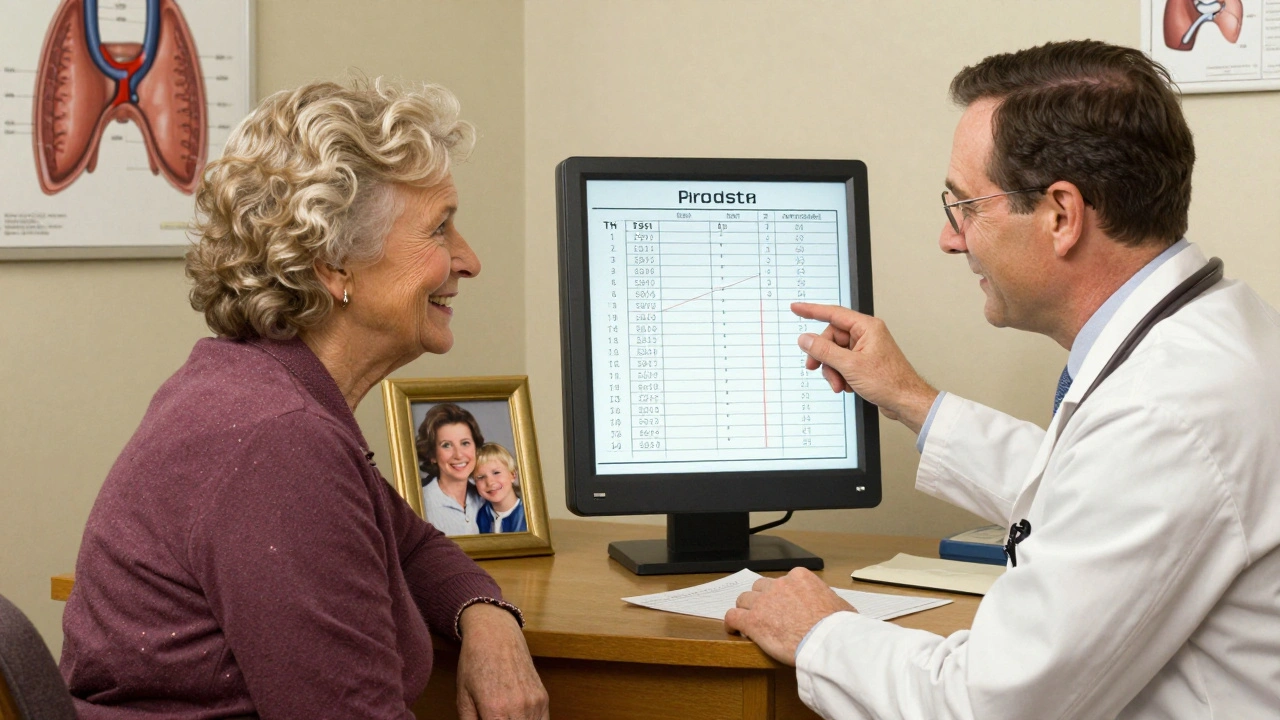
How to Take Levothyroxine Right
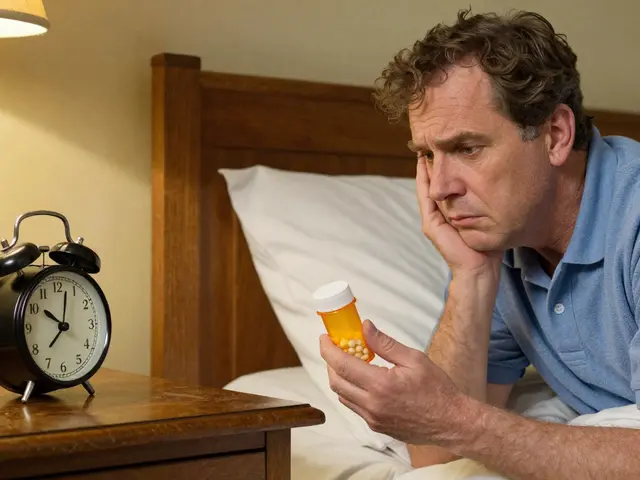
Getting the dose right is only half the battle. How you take it matters just as much. Take it on an empty stomach, 30 to 60 minutes before breakfast. Water only. No coffee, no food, no supplements. Coffee reduces absorption by 30%. Calcium, iron, and antacids can knock it down by 35%. Even soy milk can interfere. If you can’t take it before breakfast, taking it at bedtime - at least 3-4 hours after your last meal - is a proven alternative. Many people find this easier to stick to. Don’t store it in the bathroom. Humidity degrades the pill by up to 15% per month. Keep it in a cool, dry place. And never switch brands without checking with your doctor. While generics are FDA-approved, small differences in fillers can affect absorption in sensitive people.How Long Until You Feel Better?
It’s not instant. Most people notice small improvements in energy and mood after 2-3 weeks. Full symptom relief usually takes 6-8 weeks. That’s why doctors wait 6-8 weeks after a dose change before retesting TSH. Once you’re stable, you’ll need a blood test once a year. But if you’re pregnant, elderly, or have heart disease, you’ll need more frequent checks. Pregnant women need 25-50% more levothyroxine, often right away. TSH targets drop to under 2.5 mIU/L in the first trimester. Left untreated, hypothyroidism during pregnancy raises the risk of miscarriage by 2-3 times and can affect fetal brain development.What If You Still Feel Bad?
About 25% of patients report ongoing symptoms - brain fog, fatigue, weight issues - even when their TSH is “normal.” This frustrates many. But here’s the truth: TSH is a good marker, but not perfect. Some people don’t convert T4 to T3 well. Others have tissue-level resistance. Combination therapy (levothyroxine + liothyronine, the T3 hormone) sounds logical. But 85% of clinical trials show no clear benefit over levothyroxine alone. The American Thyroid Association doesn’t recommend it routinely. If you’re still struggling, your doctor might check your free T3, reverse T3, or thyroid antibodies. Sometimes, small dose tweaks - even within the “normal” range - make a difference. Don’t give up. Finding the right balance can take time.
Risks of Getting It Wrong
Under-treatment is common. Around 20% of patients have TSH levels above 10 mIU/L - often because they skip doses, take it with food, or don’t get tested regularly. Over-treatment is just as dangerous. TSH below 0.1 mIU/L increases the risk of atrial fibrillation, bone thinning, and muscle loss. Elderly patients are especially vulnerable. Untreated hypothyroidism has serious long-term effects:- 25% develop high cholesterol (LDL over 160 mg/dL), raising heart disease risk by 30%
- 15% experience nerve damage (peripheral neuropathy)
- 20-30% of women face infertility
- Myxedema coma - a life-threatening drop in body temperature and consciousness - carries a 20-50% death rate if not treated fast


Comments
Constantine Vigderman
11/Dec/2025Bro this hit different 😅 I thought I was just aging until I got my TSH checked at 32. Now I’m on 100mcg and finally sleeping through the night. Levothyroxine ain’t magic but it’s the closest thing we got. Also FYI - don’t take it with your morning protein shake, I learned that the hard way 🤦♂️
Cole Newman
11/Dec/2025LMAO people still think levothyroxine is the only option? Have you heard of natural desiccated thyroid? Armour Thyroid’s been around since 1938 and works way better for people who can’t convert T4 to T3. The AMA hates it because it’s not patentable. Big Pharma’s got you hooked on synthetic junk. Check the studies - it’s not even close to a fair comparison.
Tyrone Marshall
11/Dec/2025There’s something deeply human about how our bodies whisper before they scream. Hypothyroidism doesn’t announce itself with sirens - it creeps in like fog, stealing your energy, your warmth, your clarity, one slow day at a time. And yet, we’re told to just ‘push through.’
Levothyroxine isn’t a cure, but it’s a bridge. A way back to yourself. What matters isn’t just the TSH number on the chart - it’s whether you can feel your own breath again, whether you can hold a thought without it slipping away like sand.
I’ve seen people on the same dose for years, still exhausted, because no one looked at their T3, their reverse T3, their iron, their cortisol. Medicine treats labs, not people. Don’t let that be you. Advocate. Track. Ask. You deserve to feel like yourself again - not just ‘within range.’
Emily Haworth
11/Dec/2025Okay but have you heard about the fluoride in the water?? 🤔 I read a paper (link in comments) that says fluoride blocks iodine receptors and THAT’S why everyone’s hypothyroid now. Also, 5G messes with your thyroid. I’ve been taking kelp supplements and wearing a pendant that ‘harmonizes EMF’ and my TSH dropped 3 points in 3 weeks. 👁️🗨️ #ThyroidTruth
Tom Zerkoff
11/Dec/2025While the clinical management of hypothyroidism via levothyroxine monotherapy remains the standard of care per the American Thyroid Association Guidelines (2023), it is imperative to acknowledge the considerable interindividual variability in pharmacokinetics and pharmacodynamics. Factors such as gastrointestinal motility, concomitant medications, and genetic polymorphisms in deiodinase enzymes may significantly influence therapeutic efficacy. Consequently, a personalized approach to dosing, informed by longitudinal biomarker trends and patient-reported outcomes, is not merely advisable - it is clinically necessary.
Yatendra S
11/Dec/2025Thyroid is the soul’s thermostat, no? We are all just fire trying to burn in a world that keeps turning down the heat. Levothyroxine doesn’t fix you - it lets you remember how to burn. 🌱
But I wonder… if we stopped treating the symptom and started asking why the fire went out in the first place… would we find something deeper? The body doesn’t fail without reason. Maybe it’s not just iodine or antibodies… maybe it’s silence. Stress. Loss. The weight of being alive in a world that never asks how you are.
Himmat Singh
11/Dec/2025It is a well-documented fact that the prevalence of hypothyroidism has increased exponentially since the introduction of synthetic thyroid hormone replacement. This correlation, however, does not imply causation - yet it is routinely misinterpreted by laypersons. Furthermore, the notion that subclinical hypothyroidism warrants intervention is not universally supported by randomized controlled trials. The current paradigm may be overmedicalizing a natural physiological variation.
kevin moranga
11/Dec/2025I just want to say - if you’re reading this and you’re tired all the time, and your doctor says ‘it’s just stress’ - I see you. I’ve been there. I cried in the pharmacy because I couldn’t even lift my coffee cup. I thought I was broken.
Then I got tested. TSH was 14. I started levothyroxine. Took it right before bed, no food, no coffee, no excuses. Six weeks later, I walked my dog for the first time without stopping to catch my breath.
It’s not glamorous. It’s not a miracle. But it’s real. And if you’re still struggling even with the right dose? Keep going. Talk to your doc about T3. Check your ferritin. Ask about reverse T3. Don’t let anyone make you feel like your symptoms are ‘all in your head.’ Your body is talking. Listen. And don’t stop until you find someone who’ll listen with you.
You’re not lazy. You’re not failing. You’re just undermedicated. And that’s fixable. 💪❤️