

You’ve likely seen the headlines. Celebrities are raving about them. Your doctor might have mentioned them. But what exactly are GLP-1 receptor agonists, and why are they changing the landscape of both medications that mimic natural hormones to control blood sugar and reduce appetite?
If you’re struggling with type 2 diabetes or trying to lose stubborn weight, these drugs represent a significant shift in medical treatment. They aren’t just another pill; they are injectable medications that work on your brain, gut, and pancreas simultaneously. This article breaks down how they lower your A1C (a measure of long-term blood sugar) and help you lose weight, without the jargon.
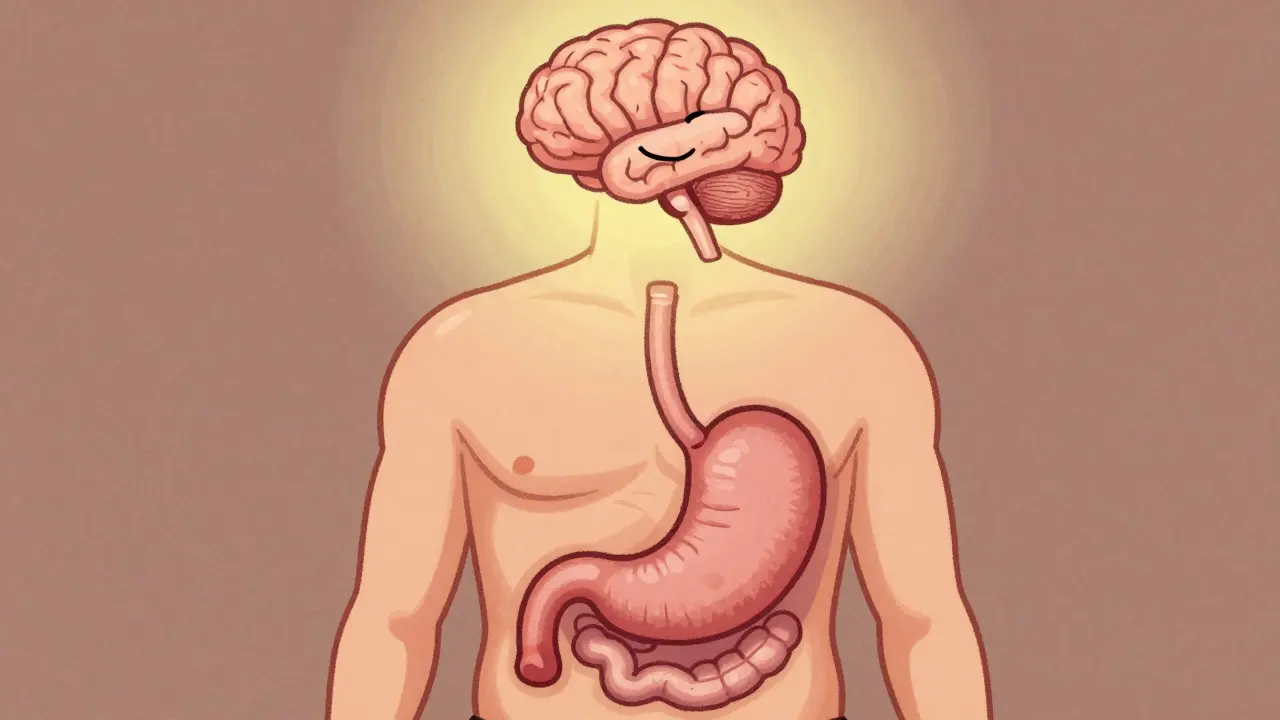
How GLP-1 Medications Work in Your Body
To understand why these drugs are so effective, we need to look at what happens naturally when you eat. When food enters your small intestine, specialized cells called L-cells release a hormone called glucagon-like peptide-1 (GLP-1). Think of GLP-1 as your body’s internal signal saying, “Hey, we’ve eaten! Time to process this energy and stop eating more.”
GLP-1 receptor agonists are synthetic versions of this hormone. Because your body naturally breaks down real GLP-1 very quickly, these medications are designed to last longer and bind more strongly to receptors throughout your body. Here is where the magic happens:
- In the Pancreas: They stimulate beta cells to release insulin only when blood sugar is high. This prevents dangerous spikes after meals while reducing the risk of low blood sugar (hypoglycemia) compared to older diabetes drugs. They also tell alpha cells to stop releasing glucagon, a hormone that tells the liver to dump stored sugar into the bloodstream.
- In the Stomach: They slow down gastric emptying by 15-30%. This means food stays in your stomach longer. You feel full for hours after a small meal, which naturally reduces how much you want to eat.
- In the Brain: This is the game-changer for weight loss. The medication travels to the hypothalamus, the part of the brain that controls hunger. It activates neurons that make you feel satisfied (satiety) and suppresses those that drive cravings. Studies show this can reduce appetite by 30-40%.
By hitting all three targets at once, these drugs create a powerful environment for both glucose control and weight management.
The Impact on A1C Levels
For people with type 2 diabetes, hemoglobin A1C is the gold standard for measuring average blood sugar over the past two to three months. An A1C above 6.5% typically indicates diabetes, while most doctors aim for below 7% to prevent complications like nerve damage or vision loss.
GLP-1 agonists are highly effective at lowering these numbers. Clinical trials have shown an average A1C reduction of 1.0% to 1.8%. To put that in perspective, if your starting A1C was 9%, taking a potent GLP-1 medication could bring it down to around 7.2% to 8%. That is a massive improvement that often allows patients to reduce or eliminate other diabetes medications, including insulin.
Why are they better than older options? Sulfonylureas, a common class of oral diabetes drugs, force the pancreas to pump out insulin regardless of blood sugar levels. This often leads to weight gain and hypoglycemia. Insulin therapy itself frequently causes weight gain because it promotes fat storage. GLP-1s avoid these pitfalls by being "glucose-dependent"-they only work when needed.
Weight Loss Results: What to Expect
While originally approved for diabetes, the weight loss effects of GLP-1s were too significant to ignore. Today, many are prescribed specifically for obesity. The amount of weight you lose depends heavily on the specific drug and dosage.
| Medication Name | Brand Names | Frequency | Avg. Weight Loss | A1C Reduction |
|---|---|---|---|---|
| Liraglutide | Victoza, Saxenda | Daily | 5-8% | ~1.1% |
| Dulaglutide | Trulicity | Weekly | 3-5% | ~1.0% |
| Semaglutide | Ozempic, Wegovy | Weekly | 10-15% | ~1.8% |
| Tirzepatide | Mounjaro, Zepbound | Weekly | 15-20% | ~2.0-2.5% |
Note that Tirzepatide is technically a dual agonist (targeting both GLP-1 and GIP receptors), but it is often grouped here due to similar mechanisms. Semaglutide at the highest dose (Wegovy) has shown results comparable to bariatric surgery in some studies, with participants losing an average of 15.3 kg (about 33 lbs) over 68 weeks. However, individual results vary. Some people see rapid changes, while others experience a slower, steady decline.
Side Effects and Managing Them
These drugs are not free of downsides. The most common side effects are gastrointestinal (GI). Since the drug slows down your digestion, your body needs time to adjust. About 30-50% of users experience nausea, vomiting, diarrhea, or constipation, especially during the first few weeks when doses are increased.
Here is how to manage these issues:
- Titrate Slowly: Doctors start you on a low dose (e.g., 0.25 mg of semaglutide) for four weeks before increasing it. Don’t rush this. If you feel sick, stay at the current dose longer until your body adapts.
- Eat Smaller Meals: Because your stomach empties slowly, large meals can cause severe bloating or vomiting. Switch to grazing on small portions throughout the day.
- Avoid High-Fat Foods: Greasy or fried foods take even longer to digest. During the initial months, stick to lean proteins, vegetables, and whole grains.
- Stay Hydrated: Dehydration worsens nausea and constipation. Drink water consistently, even if you don’t feel thirsty.
Rare but serious risks include pancreatitis (inflammation of the pancreas) and gallbladder issues. If you experience severe, persistent abdominal pain, seek medical attention immediately. There is also a theoretical risk of thyroid C-cell tumors, so these drugs are generally avoided in people with a personal or family history of medullary thyroid carcinoma.
Cost, Insurance, and Access
One of the biggest barriers to using GLP-1s is cost. Without insurance, these medications can range from $800 to $1,200 per month in the United States. In the UK, access is primarily through the NHS for type 2 diabetes patients who meet specific criteria, such as having tried multiple other treatments. For weight loss alone, NHS coverage is currently limited, though private clinics offer prescriptions at a premium.
Insurance coverage varies wildly. Medicare Part D covers many GLP-1s for diabetes but often excludes them for weight loss unless you have specific comorbidities. Prior authorization is common, meaning your doctor must prove that cheaper alternatives failed. Supply shortages have also been a major issue since 2022, affecting up to 30% of prescriptions. Always check with your pharmacy and insurer before expecting a seamless process.

Long-Term Use and Weight Regain
A critical question remains: What happens when you stop? Obesity and type 2 diabetes are chronic conditions. Research indicates that if you stop taking GLP-1s, you will likely regain more than half of the lost weight within a year. Blood sugar levels may also rise again.
This doesn’t mean the drug fails; it means the underlying metabolic drivers of weight gain and insulin resistance remain. Most experts now view GLP-1s as long-term maintenance therapy, similar to blood pressure medication. The goal is to use the drug to reach a healthier weight and stable A1C, then maintain that state with continued treatment, supported by lifestyle changes like regular exercise and balanced nutrition.
Frequently Asked Questions
Do GLP-1 medications work for everyone?
No. While many people see significant results, individual responses vary based on genetics, baseline metabolism, and adherence to diet and exercise. Some patients experience minimal weight loss despite good glycemic control. It is essential to set realistic expectations and monitor progress with your healthcare provider.
Can I take GLP-1s if I am not diabetic?
Yes. Several GLP-1 medications, such as Wegovy (semaglutide) and Zepbound (tirzepatide), are FDA-approved specifically for chronic weight management in adults with a BMI of 30 or higher, or 27 or higher with at least one weight-related condition like high blood pressure or sleep apnea.
Will I lose muscle mass along with fat?
Rapid weight loss can lead to muscle loss. To mitigate this, combine GLP-1 therapy with resistance training (weight lifting) and ensure you are consuming adequate protein (aim for 1.2 to 1.6 grams per kilogram of body weight). This helps preserve lean muscle tissue while burning fat.
Are there any interactions with other medications?
GLP-1s can delay the absorption of oral medications because they slow gastric emptying. If you take pills for heart conditions, seizures, or other critical issues, talk to your doctor. They may recommend adjusting the timing of your doses to ensure proper absorption.
Is the weight loss permanent?
Current evidence suggests that weight regain is common after stopping the medication. Long-term success usually requires ongoing treatment combined with sustained lifestyle changes. Think of it as managing a chronic condition rather than a quick fix.