

Imagine finding out you are pregnant at week six. You have been taking your daily migraine pill, or maybe a course of antibiotics for a sinus infection, without realizing the baby was already on board. The immediate question that hits most people is simple but terrifying: "Did I harm my baby?" The short answer is usually no, but the reason why requires understanding one of the most delicate biological processes in human development. The first trimester, specifically weeks one through twelve, is not just a time of morning sickness and fatigue; it is the construction phase of human life.
During this period, a cluster of cells transforms into a fully formed fetus with distinct organs. This process, known as organogenesis, creates a narrow window where the developing body is incredibly sensitive to external chemicals. Understanding which medications pose risks during these critical days can mean the difference between peace of mind and unnecessary anxiety. Let's look at exactly when these risks exist and how to navigate them safely.
The Window of Vulnerability: When Organs Form
The idea that "everything is all or nothing" in early pregnancy is a common myth. While there is a brief period immediately after conception (days 1-14) where severe damage often results in miscarriage rather than defects, the real danger zone opens up right after implantation. According to data from the National Birth Defects Prevention Study, the highest vulnerability occurs between days 17 and 56 post-conception. This aligns roughly with weeks three through eight of gestational age (counting from the last menstrual period).
Why is this specific timeframe so critical? Because this is when the blueprint becomes brick and mortar. The neural tube, which forms the brain and spinal cord, closes between days 18 and 26. The heart begins to take shape and beat between days 20 and 40. Limbs bud and grow between days 24 and 36. If a teratogen-a substance that causes birth defects-enters the bloodstream during these precise windows, it can disrupt the formation of these structures. The American College of Obstetricians and Gynecologists (ACOG) notes that 90% of major birth defects originate during this embryonic period. Missing this window by even a few days can change the risk profile entirely, as later exposure might affect function or growth rather than structure.
The Data Desert: Why We Don't Know Enough
Here is the frustrating reality for expectant parents: we do not have complete safety data for almost any medication. Ethical guidelines prevent pharmaceutical companies from testing drugs directly on pregnant women. As a result, the FDA reports that 98% of prescription labels lack comprehensive pregnancy risk information. Dr. Christina Chambers of UC San Diego calls this gap a "prescription information desert."
This uncertainty leads to widespread confusion. Approximately 70% of pregnant women take at least one prescription medication, and 50% take four or more products, including over-the-counter remedies. Yet, according to the Teratology Information System (TERIS), only two of the 54 most commonly used medication components had "Good to Excellent" safety data available in recent studies. Most decisions are based on animal studies, small case series, or theoretical risks rather than large-scale clinical trials. This is why consulting resources like MotherToBaby, operated by the Organization of Teratology Information Specialists, is crucial. They field over 15,000 inquiries annually, helping clinicians interpret the limited evidence available.
Navigating Common Medications: What Is Safe?
Despite the data gaps, some general patterns emerge regarding medication safety. It is helpful to categorize drugs by their therapeutic class to understand the risk-benefit balance.
| Medication Class | Common Examples | Risk Level / Notes |
|---|---|---|
| Analgesics (Pain Relievers) | Acetaminophen | Generally considered safest option. Limit to lowest effective dose. Recent studies suggest potential links to ADHD with prolonged high-dose use, creating some clinical debate. |
| NSAIDs | Ibuprofen, Naproxen | Avoid in first trimester if possible. Linked to a 1.6-fold increased risk of miscarriage. Definitely avoid after 20 weeks due to kidney risks. |
| Antibiotics | Amoxicillin, Cephalosporins | Generally safe. Penicillins and cephalosporins have extensive safety records. |
| Antibiotics (Avoid) | Tetracyclines, Fluoroquinolones | Tetracyclines cause tooth discoloration (later in pregnancy). Fluoroquinolones show cartilage damage in animals; human data is limited but caution is advised. |
| Antihistamines | Loratadine, Cetirizine, Diphenhydramine | Considered safe for allergies. Pseudoephedrine (Sudafed) should be avoided in first trimester due to potential link to gastroschisis. |
| Antidepressants | Sertraline, Citalopram | SSRIs like sertraline show no consistent evidence of major structural defects. Paroxetine carries a higher risk of cardiac malformations. |
For pain and fever, Acetaminophen remains the gold standard recommendation, with the FHCSD suggesting up to 4,000 mg daily if necessary. However, emerging research has raised questions about long-term neurodevelopmental outcomes with heavy, prolonged use, leading many doctors to recommend the lowest dose for the shortest time. Conversely, Nonsteroidal Anti-Inflammatory Drugs (NSAIDs) like ibuprofen carry a documented risk. A 2011 Canadian study involving 4,705 pregnancies found a 1.6-fold increased risk of miscarriage with first-trimester NSAID use. Given that acetaminophen is an alternative, most clinicians advise avoiding ibuprofen during these critical weeks.
High-Risk Medications: Absolute Avoidances
Some medications carry such significant risks that they are strictly contraindicated during pregnancy. These are the drugs where the teratogenic effect is well-documented and severe.
- Isotretinoin (Accutane): Used for severe acne, this drug carries a black box warning. Exposure in the first trimester can lead to a 20-35% risk of major congenital defects, including craniofacial and cardiac anomalies, as well as cognitive impairment. Women must typically enroll in a registry program before starting treatment.
- Methotrexate: Often used for autoimmune diseases and cancer, this folate antagonist can cause severe developmental abnormalities and miscarriage.
- Warfarin: This blood thinner can cross the placenta and cause fetal warfarin syndrome, characterized by nasal hypoplasia and bone stippling.
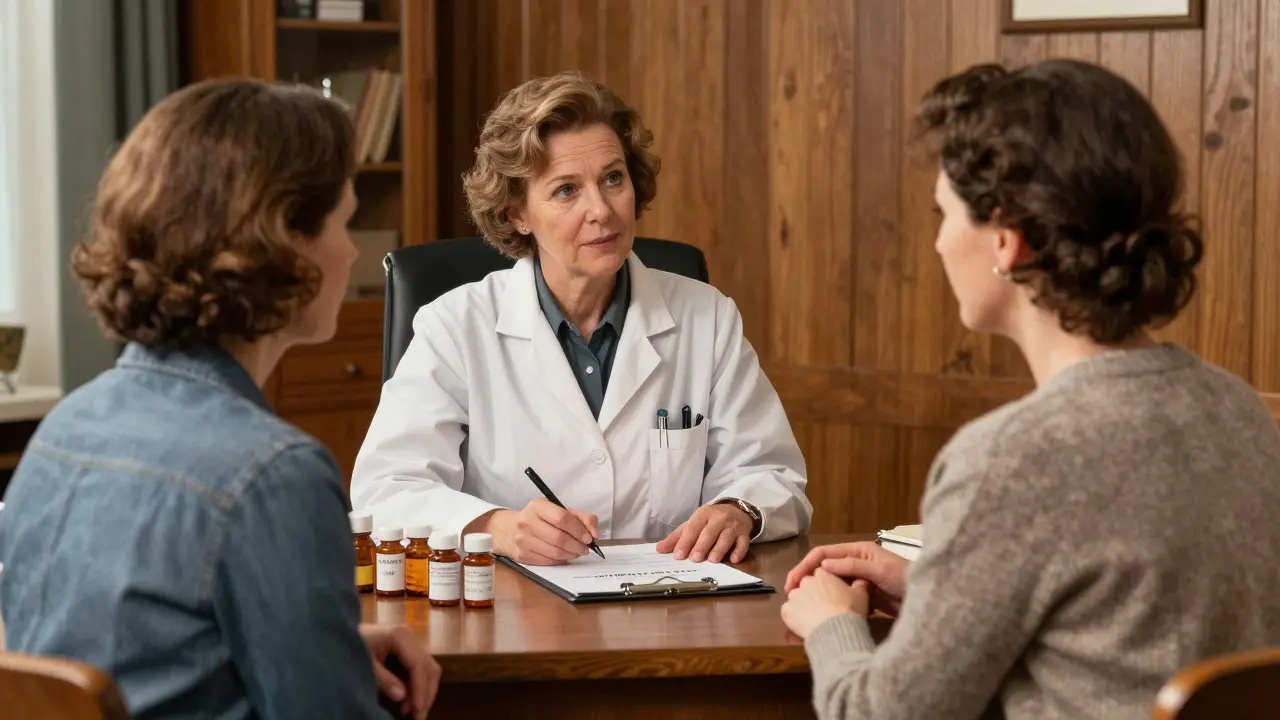
If you are prescribed any of these medications, do not stop them abruptly without consulting your doctor. Sudden cessation of conditions like epilepsy or severe autoimmune disorders can be more dangerous to both mother and fetus than the medication itself. For example, uncontrolled seizures increase fetal mortality risk by 400%. The goal is always a managed transition to safer alternatives, such as switching from warfarin to low-molecular-weight heparin, which does not cross the placenta.
The Risk-Benefit Analysis: Treating the Mother
A crucial principle in obstetrics is that the health of the mother directly impacts the health of the fetus. Untreated medical conditions can be just as harmful as medications. High maternal fever, for instance, is independently linked to neural tube defects. Therefore, treating a fever with acetaminophen is not just about comfort; it is a protective measure for the baby's developing spine.
Similarly, uncontrolled diabetes increases the risk of major congenital anomalies from a baseline of 2-3% to 10-15%. Insulin, which does not cross the placenta, is the preferred treatment, but oral medications like metformin are also increasingly used with careful monitoring. The decision to continue a medication like levothyroxine for thyroid issues is straightforward because untreated hypothyroidism affects fetal brain development. In fact, 30-50% of pregnant women require dose adjustments to maintain TSH levels below 2.5 mIU/L.
This highlights the importance of individualized care. There is no universal "safe" list because every patient's health background differs. A woman with asthma needs albuterol to breathe; withholding it poses an immediate hypoxia risk to the fetus. Albuterol is widely considered safe and necessary in this context.

Practical Steps for Expectant Parents
If you are planning a pregnancy or suspect you might be pregnant, here is a practical checklist to manage medication safety:
- Confirm Timing: Use your last menstrual period and early ultrasound dating to pinpoint where you are in the developmental timeline. Knowing whether you are in the "all-or-nothing" phase or the organogenesis phase helps contextualize past exposures.
- Audit Your Meds: Make a list of all prescription drugs, over-the-counter supplements, and herbal remedies. Bring this list to your prenatal appointment.
- Consult Experts: Do not rely solely on internet searches. Contact MotherToBaby or your pharmacist for evidence-based risk assessments. They specialize in interpreting the complex data behind each drug.
- Prioritize Non-Drug Therapies: For minor ailments, consider non-pharmacologic options first. Nasal saline sprays for congestion, ginger for nausea, and hydration for headaches can reduce the need for medication.
- Never Stop Abruptly: If you are on maintenance therapy for chronic conditions (epilepsy, depression, hypertension), stopping suddenly can trigger crises. Work with your provider to switch to safer alternatives gradually.
Addressing the Anxiety Gap
It is worth noting the psychological toll of this uncertainty. Surveys indicate that 68% of pregnant individuals worry about medication risks, yet 42% report discontinuing necessary medications due to fear. This often stems from receiving contradictory advice. One doctor might say a drug is "probably fine," while another cites a single study showing a slight risk increase.
Understanding the concept of "relative risk" helps here. If a medication increases the risk of a defect from 1 in 1,000 to 1.5 in 1,000, the relative risk has doubled, but the absolute risk remains very low. Context matters. Additionally, remember that most birth defects occur spontaneously due to genetic mutations or random errors in cell division, not environmental exposures. The majority of women who take medications during the first trimester go on to have healthy babies.
Is it safe to take ibuprofen in the first trimester?
Ibuprofen and other NSAIDs are generally not recommended in the first trimester. Studies have linked their use to a 1.6-fold increased risk of miscarriage. Acetaminophen is the preferred pain reliever during this period. Always consult your doctor before taking any new medication.
What happens if I accidentally took a prohibited medication before knowing I was pregnant?
Do not panic. Many women discover their pregnancy after being exposed to various substances. During the very early weeks (days 1-14 post-conception), the "all-or-nothing" principle often applies, meaning severe damage usually results in miscarriage, while survival suggests no major impact. For exposures during organogenesis (weeks 3-8), contact your healthcare provider or MotherToBaby immediately to assess the specific drug and timing. Most accidental exposures do not result in birth defects.
Are antibiotics safe during pregnancy?
Many antibiotics are safe. Penicillins (like amoxicillin) and cephalosporins have excellent safety records. However, tetracyclines and fluoroquinolones should generally be avoided due to risks of tooth discoloration and potential cartilage damage, respectively. Always inform your prescriber that you are pregnant so they can choose the safest option.
Can I take allergy medicine like Zyrtec or Claritin?
Yes, antihistamines like loratadine (Claritin), cetirizine (Zyrtec), and diphenhydramine (Benadryl) are considered safe during pregnancy. However, decongestants containing pseudoephedrine (like Sudafed) should be avoided in the first trimester due to a potential link with gastroschisis, a rare abdominal wall defect.
Why is there so little data on medication safety in pregnancy?
Ethical guidelines prohibit testing new drugs on pregnant women to protect the fetus. Consequently, most safety data comes from observational studies, animal models, or accidental exposure registries. This creates a "data desert" where clinicians must rely on limited evidence. Initiatives like the FDA's Pregnancy Exposure Registry aim to improve this, but comprehensive data remains scarce for most medications.
Write a comment
Latest Posts




Comments
Madeline Petes
24/May/2026i was so scared when i found out i was pregnant because i had taken ibuprofen for a headache two days before my period was supposed to start. reading this article helped me realize that the all or nothing phase might have saved us. its such a relief to know that not every mistake ruins everything. thank you for sharing this info!
Gary Helminiak
24/May/2026it is fascinating how the window of vulnerability aligns so precisely with organogenesis, specifically between days 17 and 56 post-conception, which corresponds to weeks three through eight of gestational age. the neural tube closure happening between days 18 and 26 is particularly critical because any disruption during this brief period can lead to severe structural anomalies like spina bifida or anencephaly. furthermore, the heart begins to take shape and beat between days 20 and 40, meaning that exposure to teratogens during this specific timeframe could potentially interfere with cardiac development. limbs bud and grow between days 24 and 36, adding another layer of complexity to the risk assessment for medications taken during the first trimester. understanding these precise biological timelines allows expectant parents and healthcare providers to make more informed decisions about medication safety. for instance, knowing that acetaminophen is generally considered the safest option for pain relief helps mitigate risks compared to NSAIDs like ibuprofen, which have been linked to a 1.6-fold increased risk of miscarriage in the first trimester. additionally, the distinction between different classes of antibiotics is crucial; while penicillins and cephalosporins have extensive safety records, tetracyclines should be avoided due to their potential to cause tooth discoloration later in pregnancy. fluoroquinolones also warrant caution because of observed cartilage damage in animal studies, even though human data remains limited. antidepressants present another nuanced scenario where SSRIs like sertraline show no consistent evidence of major structural defects, whereas paroxetine carries a higher risk of cardiac malformations. navigating this landscape requires careful consideration of both the benefits and potential harms associated with each medication class. ultimately, consulting resources like MotherToBaby can provide valuable insights based on the latest available evidence, helping to bridge the gap left by the lack of comprehensive clinical trials involving pregnant women. this approach ensures that treatment decisions are grounded in science rather than fear or misinformation.
Ramanath Rao
24/May/2026this article is completely useless for anyone living outside the west. in india we use homeopathy and ayurveda for centuries without any side effects. your western medicine is full of chemicals that poison the body. why do you always try to impose your biased view on everyone else. shame on you for spreading fear instead of natural healing methods.
irine sabrina
24/May/2026i completely agree with the point about treating the mother's health being vital for the baby. it is so important to remember that uncontrolled conditions like diabetes or epilepsy can be far more dangerous than the medications used to manage them. my sister had to stay on her thyroid medication throughout her pregnancy and her baby turned out perfectly healthy. it gives me peace of mind to know that doctors prioritize the overall well-being of both mom and child.
Ryan Jones
24/May/2026typical fear mongering. they want you to panic so you buy more tests and supplements. i bet half these studies are funded by the same companies selling the safe alternatives. dont let them scare you into thinking you did something wrong if you took a pill before knowing. most babies are fine regardless of what you ingest.
Elizabeth Fandry
24/May/2026one must consider the philosophical implications of relying on incomplete data. the concept of a 'prescription information desert' suggests a profound epistemological crisis within modern medicine. 🧐 how can we claim to know what is safe when we deliberately exclude the most vulnerable populations from our research? this ethical dilemma forces us to question the very foundation of medical authority. perhaps we need a new paradigm that values anecdotal evidence alongside clinical trials. 🌿
Victoria Mangiapane
24/May/2026boring read. nobody wants to read all this scientific jargon. just tell us what to take and what to avoid in simple terms. why make it so complicated. typical academic nonsense that confuses everyone. waste of time honestly.
Angela Niculescu
24/May/2026actually the section on nsaid risks is overstated. many women take ibuprofen occasionally and have healthy babies. the relative risk increase is small and often ignored in favor of alarmist headlines. context matters more than absolute numbers here.
Nivetha Narayanan
24/May/2026hey guys! dont stress too much about this stuff. life goes on and most things work out fine. i accidentally took some cold meds early on and my little one is super healthy now. just chill and talk to your doc. vibes are good! ✨
Frank Arlyss
24/May/2026so you are saying you took whatever you wanted and then blamed it on the internet when something went wrong. interesting. maybe if you listened to experts instead of searching online you wouldnt be so confused. your ignorance is showing.
Tim Reynolds
24/May/2026the government lies. the drugs are designed to fail. wake up sheeple. they test on animals because they cannot test on humans without getting sued. it is a conspiracy to control reproduction. think for yourselves.
Michael Schurmann
24/May/2026only idiots would rely on this generic advice. every case is unique and requires a specialist. generalizations are for the masses who cannot afford proper care. if you are smart you will hire a private consultant instead of reading reddit posts written by amateurs.
Lisa Russo
24/May/2026stop making excuses. if you are pregnant you should know better than to take random pills. it is basic common sense. dont blame the system for your own mistakes. get educated before you get pregnant next time.