

When you pick up a prescription, you might see two identical-looking pills on the shelf-one with a fancy brand name, another labeled as a generic. But what if you find a third option that looks just like the brand, has the same name, and is still cheaper? That’s an authorized generic. And it’s not a trick. It’s the exact same drug, made in the same factory, under the same rules-but sold for less.
What Exactly Is an Authorized Generic?
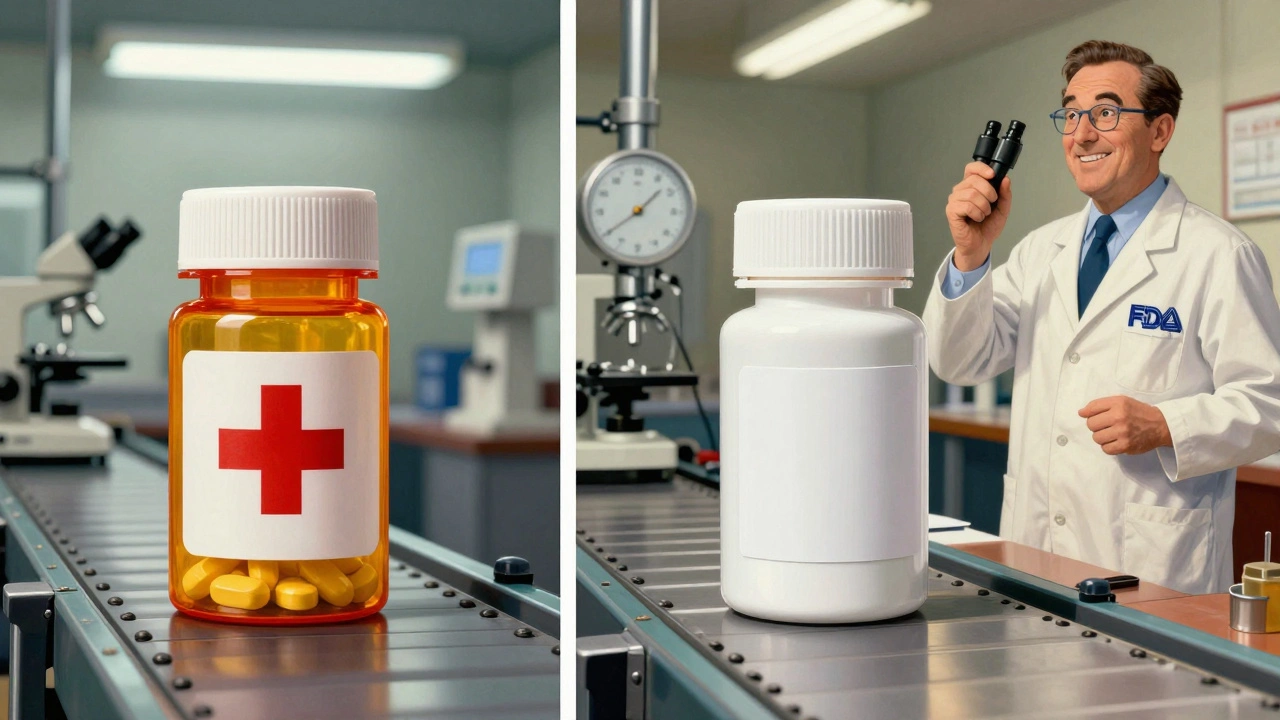
An authorized generic isn’t just another generic. It’s the brand-name drug, made by the original manufacturer, but sold without the brand label. Think of it like a car company selling the same model under a different nameplate. The engine, the chassis, the paint-everything’s identical. The only difference? The box doesn’t have the big logo on it. The U.S. Food and Drug Administration (FDA) requires that authorized generics meet the exact same standards as the brand-name version. Same active ingredient. Same dosage. Same manufacturing facility. Same quality control. No shortcuts. No compromises. They’re not copies. They’re the real thing, just without the marketing budget. These drugs are approved under the original New Drug Application (NDA) that the brand company filed. That means they skip the usual generic approval process (called an ANDA) because they’re not new products-they’re the same product, just repackaged. This is why they hit the market faster than traditional generics.Why Are Authorized Generics Cheaper?
The price drop isn’t because the drug is cheaper to make. It’s because the business model changes. Brand-name drug companies spend a lot on advertising, sales reps, and building brand loyalty. When a patent expires, they lose that advantage. But instead of letting a single generic manufacturer take over the market and set high prices during its 180-day exclusivity window, many brand companies launch their own authorized generic. This creates instant competition. Here’s how it works: If no authorized generic enters the market, the first generic company can charge close to the brand price for six months. That’s because there’s no competition yet. But if the brand company releases its own generic version at the same time, that first generic company has to drop its price fast-otherwise, customers will just buy the cheaper, identical version from the same maker. The result? Prices fall faster and deeper. Studies show that when an authorized generic enters the market at the same time as a traditional generic, pharmacy wholesale prices drop by 13% to 18%. Retail prices fall by 8% to 10%. That’s not a small difference-it can mean hundreds of dollars a year for people on long-term meds.How Do Authorized Generics Compare to Traditional Generics?
Traditional generics are made by different companies after the patent expires. They have to prove they’re bioequivalent to the brand, which takes time and money. That’s why they usually take months to appear on shelves. Authorized generics show up on day one of generic competition. They’re not just faster-they’re often cheaper than traditional generics because they don’t need to compete with the brand’s marketing power. Since they come from the same factory, they’re also more consistent in quality. Some patients report fewer side effects or better tolerance with authorized generics compared to some traditional generics, simply because the formulation hasn’t changed at all. Here’s a quick comparison:| Feature | Brand Name | Authorized Generic | Traditional Generic |
|---|---|---|---|
| Manufacturer | Original brand company | Original brand company | Third-party generic maker |
| Active Ingredient | Same | Same | Same (must be bioequivalent) |
| Manufacturing Facility | Brand’s own plant | Same as brand | Separate facility |
| Approval Path | New Drug Application (NDA) | Under brand’s NDA | Abridged New Drug Application (ANDA) |
| Time to Market | Years before patent expiry | Day one of generic entry | After exclusivity period (often 6+ months) |
| Typical Price Discount | Full price | 4%-8% below brand | 80%+ below brand, but slower to drop |
Real Examples: When Authorized Generics Made a Difference
In 2016, Mylan faced huge public backlash for raising the price of the EpiPen from $100 to $600. In response, they released an authorized generic version for $300-half the price. It wasn’t a charity move, but it gave consumers a real alternative. Thousands switched immediately. Gilead did something similar with its hepatitis C drugs Harvoni and Epclusa. Even before patents expired, they launched authorized generics to keep market share as cheaper competitors loomed. It worked. Patients got lower prices, and Gilead kept some revenue stream. In 2022, a study of 1.2 million Medicare Part D patients showed that when authorized generics were placed on the same formulary tier as traditional generics, adherence rates jumped by 8.2 percentage points. Why? Because patients didn’t have to switch pills. They got the same drug, just cheaper.Why Don’t All Generics Work This Way?
Not every brand company uses this strategy. Some prefer to let traditional generics compete alone, hoping to keep their brand price high for as long as possible. Others use authorized generics as part of legal settlements-delaying other generics in exchange for launching their own. The Federal Trade Commission has raised concerns about this, calling it "pay-for-delay" tactics. But when authorized generics are used fairly, they’re one of the most effective tools for lowering drug prices quickly. They don’t rely on multiple competitors entering the market. One authorized generic is enough to break the price monopoly.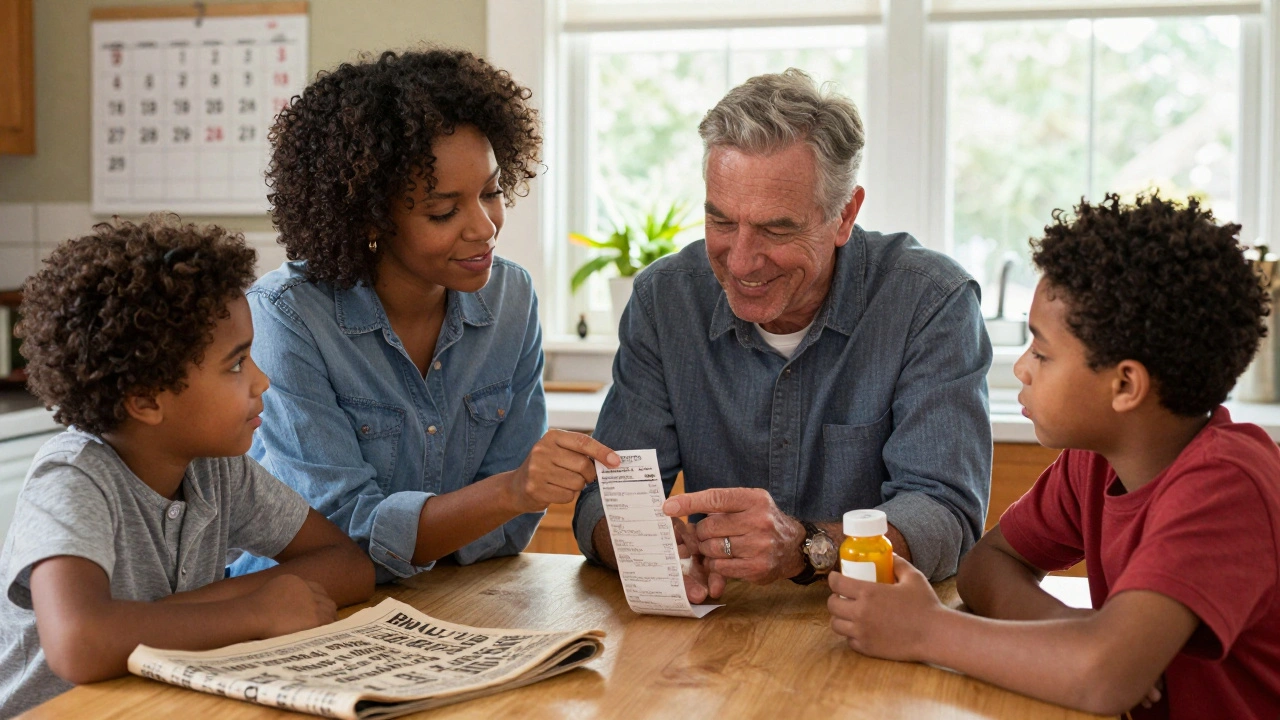
What This Means for You
If you’re paying full price for a brand-name drug, ask your pharmacist: "Is there an authorized generic?" It’s not always obvious on the label. Sometimes it’s listed as the same name as the brand, but without the trademark symbol. Other times, it’s sold under a different name entirely-like "simvastatin" instead of "Zocor"-but still made by the same company. Your insurance plan might not automatically switch you to the cheaper version. PBMs (Pharmacy Benefit Managers) control which drugs go on which tier. If the authorized generic is placed on the same tier as the brand, you might pay the same copay. But if it’s moved to a lower tier, you’ll save money-sometimes $50 or more per month. Ask your pharmacist to check your formulary. Ask your doctor to write "dispense as written" if you want to make sure you get the authorized generic. And don’t assume the brand is better. It’s not. It’s the same pill.What’s Next for Authorized Generics?
With the Inflation Reduction Act capping out-of-pocket drug costs at $2,000 a year for Medicare patients, the pressure to keep prices low is growing. Authorized generics will play a bigger role. More brand companies are expected to use them as a way to stay competitive without losing control of the market. The FDA is also speeding up reviews for drugs with few generic options. That means more authorized generics could enter the market faster, especially for chronic conditions like high blood pressure, diabetes, and depression. Bottom line? Authorized generics are not a loophole. They’re a legitimate, FDA-approved way to bring down prices without sacrificing quality. And if you’re paying for a brand-name drug that has an authorized version, you’re probably overpaying.Are authorized generics as safe as brand-name drugs?
Yes. Authorized generics are made in the same facility, with the same ingredients, and under the same quality controls as the brand-name version. The FDA requires them to be identical in every way that matters-dosage, strength, absorption, and safety. There is no difference in effectiveness or risk.
Why don’t I see authorized generics at my pharmacy?
They’re not always listed separately on shelves or in your insurance formulary. Sometimes they’re sold under the brand name but with a different packaging. Ask your pharmacist directly if an authorized generic exists for your medication. They can check the FDA’s quarterly list or your plan’s drug database.
Can I switch from a brand to an authorized generic without side effects?
Since the drug is identical, switching should not cause side effects. Many patients report no change at all. In fact, some report fewer issues because they’re switching from a traditional generic (made by a different manufacturer) to the exact same formulation they were on before. Always check with your doctor before switching, but there’s no medical reason to avoid it.
Do authorized generics cost less for everyone?
Not always. If your insurance plan places the authorized generic on the same tier as the brand, your copay might be the same. But if your plan moves it to a lower tier, you’ll pay less. Some PBMs still favor brands. Ask your pharmacist to compare the out-of-pocket cost of the brand, the authorized generic, and the traditional generic before filling your prescription.
How do I know if a drug has an authorized generic?
The FDA publishes a quarterly list of authorized generics on its website. Your pharmacist can access this list or use pharmacy software that flags authorized generics. You can also search by drug name on sites like Drugs.com or GoodRx-they often show if an authorized version exists and what it’s called.
Final Thought: You’re Not Getting a Second-Rate Drug
There’s a myth that generics are "inferior." Authorized generics shatter that idea. They’re not a compromise. They’re the same medicine, just without the price tag of marketing and brand prestige. If you’re paying more for the logo, you’re paying for nothing but the name. In a system where drug prices often feel arbitrary, authorized generics are one of the few clear wins for patients. They’re fast, effective, and proven to lower costs without risk. All you need to do is ask.Write a comment
Latest Posts
Comments
Deborah Andrich
12/Dec/2025I used to pay $400 for my cholesterol med until I asked my pharmacist about the authorized generic. Same pill, $12. I cried. No joke. This is how you fix healthcare.
Karen Mccullouch
12/Dec/2025LOL you people think this is some kind of win?? Big Pharma just lets their own version in so they can STILL control the market 😂 #CorporateHack
Michael Gardner
12/Dec/2025Wait so you're saying the brand company is the one making the cheaper version? That's not competition, that's a monopoly with a disguise. This isn't saving us-it's just moving the deck chairs.
Willie Onst
12/Dec/2025Honestly? This is one of those quiet little victories in the mess of American healthcare. Same drug. Same factory. Just no fancy packaging. It's like buying store-brand cereal that tastes exactly like the box with the cartoon mascot. 🙌
Jennifer Taylor
12/Dec/2025I KNOW THIS IS A TRAP. The FDA is in on it. They let these authorized generics in so they can track EVERYONE who takes them. I heard they're linking it to the CDC's new health surveillance program. My cousin's neighbor's dog got scanned after his dad switched to the 'generic' version of Lipitor. I'm not kidding. 🚨
Jade Hovet
12/Dec/2025OMG I JUST FOUND OUT MY BP MED HAS AN AUTHORIZED GENERIC!!! 😭 I've been paying $80/month for 2 years!!! Just asked my pharmacist and she said it's $12!!! I'm crying happy tears!! 🥹💖 #SaveMyWallet
nithin Kuntumadugu
12/Dec/2025lmao u think this is real? big pharma just makes the same pill but puts it in a different box and calls it 'authorized generic' so they can still own the market. this is why america is broke. no one knows what's going on. the system is rigged. 🤡
John Fred
12/Dec/2025Authorized generics are a brilliant market-based solution to patent cliff dynamics. By leveraging the original NDA, manufacturers bypass ANDA delays and create immediate price elasticity. This reduces payer leverage and improves adherence metrics. The FTC should incentivize more of these. 📈💊
Harriet Wollaston
12/Dec/2025I just told my mom about this and she said, 'So it's like buying the same cake but without the fancy frosting?' I laughed so hard. She's 74 and gets it. We're all just trying to survive this system. Thank you for explaining it so clearly.