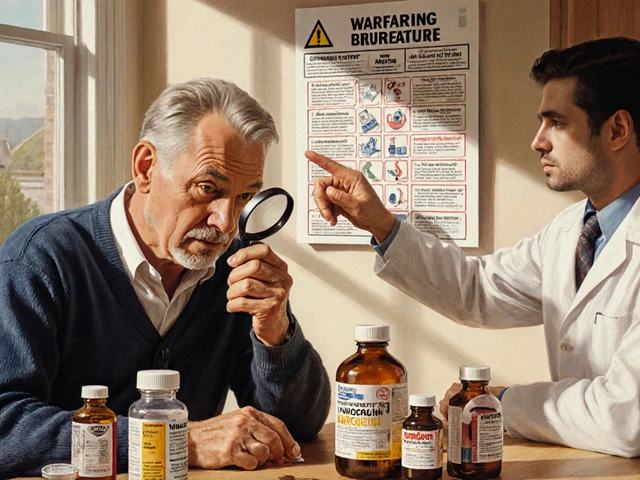
Brand Names Explained: What They Are, Why They Matter, and How They Compare to Generics
When you pick up a prescription, you might see brand names, the original trademarked names given to drugs by pharmaceutical companies. Also known as trade names, these are the labels you recognize—like Tylenol, Latisse, or Finast. But behind every brand name is a generic version with the same active ingredient, often at a fraction of the cost. Most people don’t realize that brand names and generics are chemically identical. The FDA requires generics to match brand drugs in strength, dosage, and how they work in your body. So why do brand names still exist? Mostly because of marketing, patents, and the perception that they’re better—even when they’re not.
What trips people up is when they switch between brand and generic without knowing what to expect. For example, cetirizine, the generic form of Zyrtec, works the same as the brand, but some users report slightly different side effects—not because the drug changed, but because inactive ingredients like fillers or dyes vary. That’s why drug equivalence, the scientific standard proving generics perform like their brand-name counterparts, matters. It’s not about which one is stronger; it’s about whether your body reacts the same way. In rare cases, like with thyroid meds or seizure drugs, even tiny differences in absorption can matter. That’s why your doctor might stick with the brand if you’ve had trouble switching.
And here’s the real issue: medication safety, the practice of avoiding harmful drug overlaps or confusion, gets messy when you don’t know what you’re taking. If you see your doctor for a new condition and they write a prescription for a brand name you’ve never heard of, you might end up doubling up—like taking both Tylenol and a cold medicine that also contains acetaminophen. That’s why knowing the difference between brand names and generics helps you ask better questions. When you’re handed a pill, ask: Is this the brand or the generic? What’s the active ingredient? Could this interact with something else I’m taking?
Many of the posts below dive into these exact questions. You’ll find comparisons between brand names and their generic alternatives—like Finast versus Propecia, Latisse versus off-label eyelash treatments, or Avanafil versus other ED pills. You’ll see how patent battles delay generic access, how mail-order pharmacies handle quality control, and when rare side effects from generics should be reported. Some articles even show you how to avoid accidental overdoses by spotting hidden brand names in OTC meds. This isn’t about choosing between expensive and cheap. It’s about knowing what’s in your medicine, why it costs what it does, and how to make sure it works safely for you.


Generic Drug Naming: USAN, INN, and Brand Name Basics Explained
Learn how generic drug names like USAN and INN are created, why they differ between countries, and how stems help doctors identify drug classes safely. Understand the system behind your prescriptions.
Read