

What Is Post-Concussion Syndrome?
Post-Concussion Syndrome (PCS) isn’t just a lingering headache after a bump to the head. It’s when symptoms from a mild traumatic brain injury stick around long after the brain has physically healed. Most people recover from a concussion in a few days to a few weeks. But for 15% to 30% of people, symptoms like dizziness, brain fog, trouble sleeping, or irritability don’t go away - sometimes for months, or even years.
The key thing to understand: PCS isn’t caused by ongoing brain damage. By the time symptoms last beyond four weeks, the metabolic healing - the repair of brain cells and restoration of energy balance - is usually complete. Instead, PCS is a functional disorder. The brain is working, but it’s using inefficient pathways. Think of it like a computer running slowly not because the hardware is broken, but because the software is stuck in an old, clunky mode.
Doctors diagnose PCS when symptoms persist for more than three months after the injury, according to the International Classification of Diseases, 10th Revision (ICD-10). But many clinicians start watching for signs as early as four weeks, especially if symptoms are worsening or not improving. Symptoms can be physical, cognitive, emotional, or sleep-related. Common ones include:
- Headaches or pressure in the head
- Dizziness or balance problems
- Sensitivity to light or noise
- Difficulty concentrating or remembering things
- Feeling tired or lacking energy
- Irritability, anxiety, or depression
- Sleep problems - too much or too little
How Long Does Recovery Really Take?
There’s no one-size-fits-all timeline for PCS recovery. Some people feel better in six weeks. Others take six months. A few struggle for over a year. The good news? Most people - around 70% to 80% - recover fully within four weeks if they start active rehabilitation early.
But for the 20% to 30% who develop PCS, recovery is slower and more unpredictable. Research from the Mayo Clinic shows symptoms usually show up within the first week after injury and last longer than three months to qualify as PCS. The CDC says recovery can be slower for children, older adults, and people who’ve had concussions before.
One study of high school football players found that 10% to 20% had symptoms lasting beyond two weeks. Another found that if someone was dizzy on the field right after the injury, they were over six times more likely to have a prolonged recovery. Age matters. Kids and teens often take longer to recover than adults. Older adults are more vulnerable to lingering symptoms too.
Some studies suggest that if symptoms haven’t improved significantly by three years, they may become permanent. But that’s rare. The majority of people with PCS do get better - it just takes patience and the right approach.
What Slows Down Recovery?
Recovery isn’t just about time. It’s about what you do - and don’t do - after the injury.
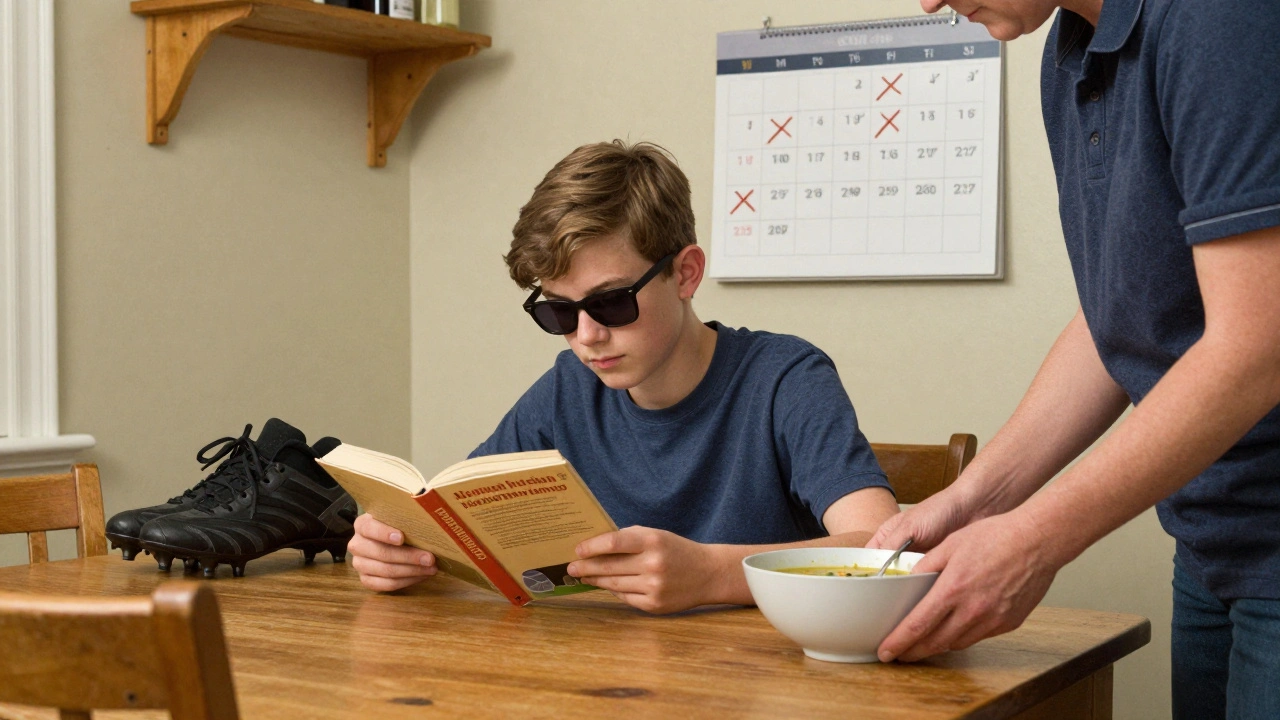
One of the biggest mistakes? Waiting too long to start moving again. People used to be told to lie in a dark room for days. That’s outdated. Research from Complete Concussions found that athletes who were evaluated and started rehab within one week recovered 20 days faster than those who waited two or three weeks.
Other factors that make recovery harder:
- Ignoring symptoms and pushing through - like going back to work or sports too soon
- Getting too much rest - staying sedentary for weeks can make your brain and body worse
- Stress, poor sleep, or anxiety - these don’t cause PCS, but they feed it
- Not addressing neck or vestibular issues - many PCS symptoms come from problems in the neck or inner ear, not the brain itself
- Previous concussions - each one increases the risk of longer recovery
Loss of consciousness, memory loss around the time of injury, and high symptom scores in the first 24 hours are also red flags for longer recovery. But even if you had all of these, recovery is still possible - it just needs to be handled differently.
How Is PCS Managed Today?
The old advice - “rest until you feel better” - doesn’t work for PCS. In fact, it often makes things worse. The new standard is active rehabilitation.
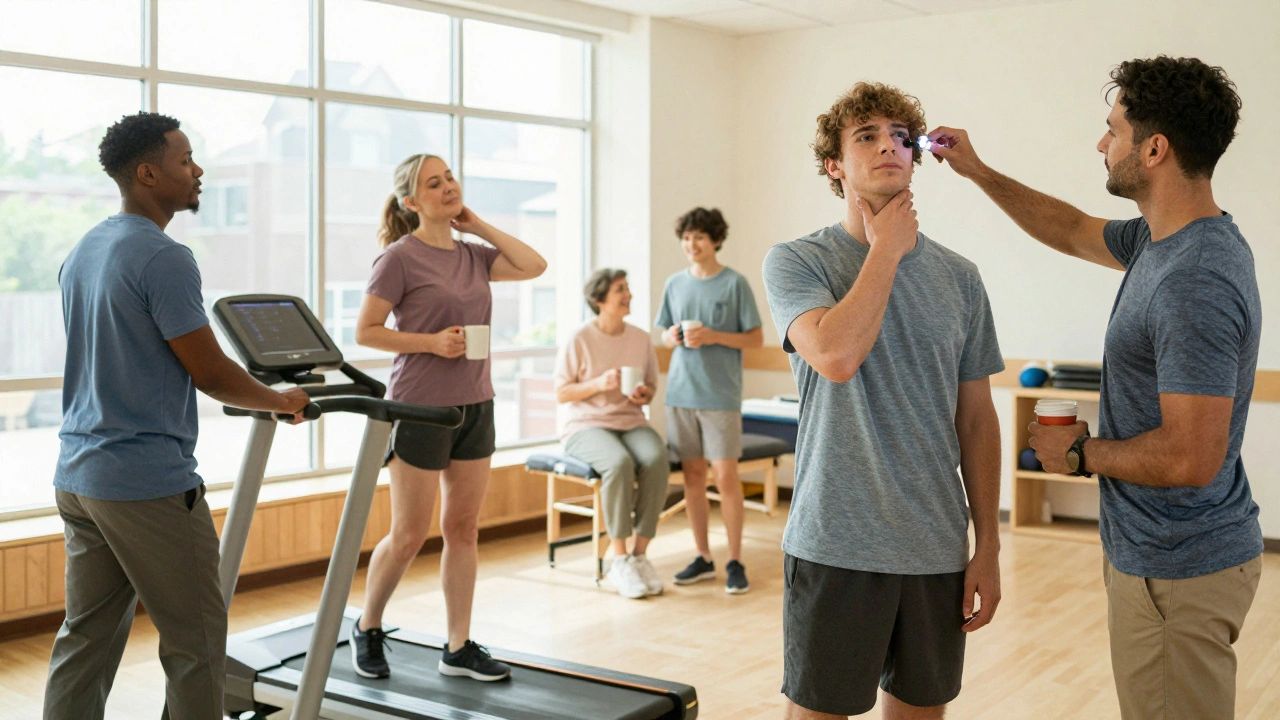
This means gradually reintroducing movement, mental activity, and daily routines - without pushing into symptoms. It’s not about pushing through pain. It’s about staying just below the threshold where symptoms flare up.
Effective rehab targets the specific systems that are out of balance:
- Vestibular therapy - for dizziness and balance issues
- Cervical therapy - for neck pain and headaches linked to neck injuries
- Visual therapy - for trouble focusing, eye strain, or light sensitivity
- Exertion therapy - controlled, progressive aerobic activity to retrain the brain’s response to physical stress
Studies show that people who follow these targeted rehab plans recover in about four weeks, compared to months or longer with passive rest.
One treatment center, Cognitive FX, uses functional Neurocognitive Imaging (fNCI) to map blood flow in the brain. They found that patients who underwent four days of targeted therapy saw a 75% improvement in brain regulation scores. One year later, most were still improving.
When Is It Safe to Return to Normal Life?
Recovery isn’t just about feeling better. It’s about being able to do your normal activities without symptoms returning.
The CDC says you’re ready to return to regular activities when your symptoms are mild and nearly gone. But for athletes or people in high-risk jobs, the bar is higher.
Complete Concussions uses specific criteria to define recovery:
- Post-Concussion Symptom Scale (PCSS) score under 5 for men, under 6 for women
- No abnormal findings on physical or neurological exams
- Ability to reach 85-90% of your maximum heart rate during exercise without symptoms returning
If you’re an athlete, return-to-play protocols follow a step-by-step process: light cardio, then sport-specific drills, then non-contact training, then full contact - only if each step is symptom-free.
For everyone else, it’s about pacing. Start with short walks, light housework, or part-time work. If symptoms flare, scale back. If they stay stable, slowly increase. This isn’t a race. It’s a rebuild.
What About Medication and Alternative Treatments?
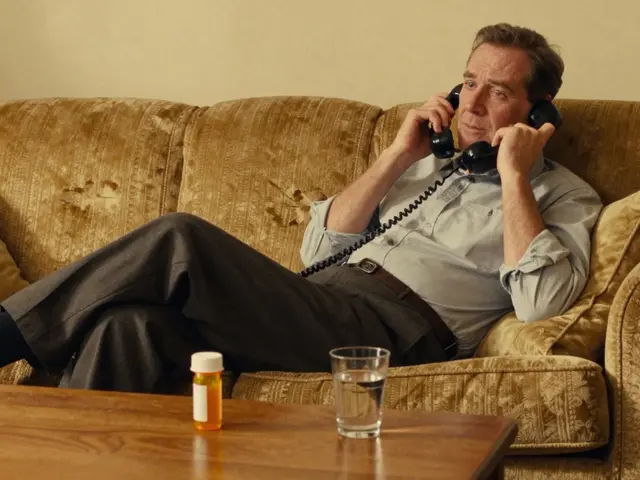
There’s no magic pill for PCS. Medications are used to manage symptoms, not cure the syndrome.
- Headaches - acetaminophen is preferred over NSAIDs like ibuprofen in the early stages to avoid bleeding risk
- Sleep problems - melatonin or cognitive behavioral therapy for insomnia (CBT-I) are safer than sleeping pills
- Anxiety or depression - therapy is often more effective than medication, especially since these are reactions to a life-changing injury, not chemical imbalances
Supplements like omega-3s, magnesium, or curcumin are sometimes used, but evidence is limited. Don’t waste money on unproven treatments. Stick with what’s backed by research: physical rehab, mental health support, and gradual activity.
Neurofeedback, hyperbaric oxygen, and craniosacral therapy are popular online - but they’re not proven for PCS. Focus on therapies with real data: vestibular rehab, exertion therapy, and psychological support.
What’s the Long-Term Outlook?
The prognosis for PCS is generally good - but it’s not guaranteed. Most people recover fully within a year. A small group takes longer. A very small group - less than 5% - may have symptoms that last for years.
What makes the difference? Early, targeted rehab. People who get help within the first month are far more likely to recover quickly. Those who wait, or who rely on rest alone, are at higher risk of long-term issues.
Research from the Cleveland Clinic shows that while some people recover in weeks, others need months or even a year. But the vast majority do get better. The brain is adaptable. With the right support, it can rewire itself.
Don’t believe the myth that PCS is permanent. It’s not. But it does require effort, patience, and the right kind of care. If you’re still struggling after three months, don’t wait. Find a specialist who understands functional brain recovery - not just rest.
What Should You Do Next?
If you or someone you know is still suffering after a concussion:
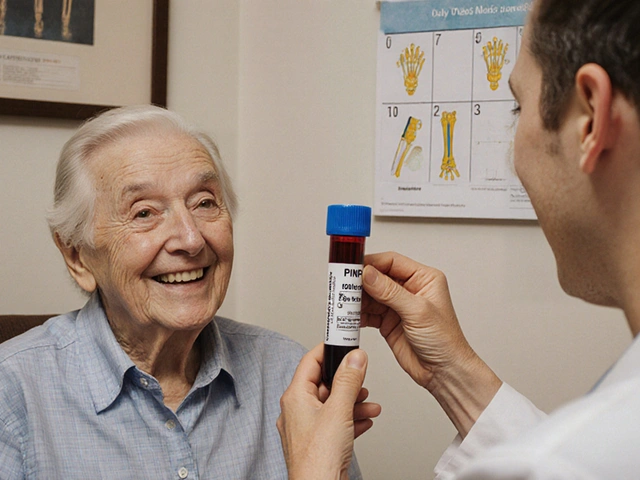
- Don’t wait. See a doctor who specializes in concussion or brain injury by the four-week mark.
- Get assessed for vestibular, cervical, and visual system issues - these are often the hidden causes of ongoing symptoms.
- Start gentle, symptom-limited activity. Walk for 10 minutes a day. If it triggers dizziness or headache, stop. Try again tomorrow.
- Work with a physical therapist trained in concussion rehab. Not all PTs are equipped for this.
- Address sleep and stress. Poor sleep and anxiety are major barriers to recovery.
- Avoid alcohol, screens before bed, and high-stress situations until symptoms improve.
Recovery isn’t linear. Some days will be better than others. That’s normal. What matters is that you’re moving forward - even if it’s slow.


Comments
Shannara Jenkins
1/Dec/2025I was diagnosed with PCS last year after a bike accident. Honestly, the worst part wasn't the headaches-it was how people told me to 'just rest more' like I was lazy. When I started vestibular therapy, everything changed. Took 3 months but I'm back to hiking and working full-time. Don't give up.
Also, melatonin for sleep? Life saver. No sleeping pills needed.
मनोज कुमार
1/Dec/2025PCS is just a buzzword for people who won't tough it out. Brain heals in 2 weeks if you stop whining. All this therapy nonsense is Big Rehab pushing $$$ treatments. Rest. Sleep. Stop scrolling. Done.
Joel Deang
1/Dec/2025bro i had a concussion in 2022 and thought i was done for 😭 like i couldnt even read a text without my head feeling like a balloon filled with bees 🤯 but then i found this physical therapist who did like... neck stuff and light cardio and now i play basketball again?? 🤯🙏 if u r struggling just try walking 10 min a day no cap
Roger Leiton
1/Dec/2025This is so helpful! I’ve been researching this for my cousin who had a fall last winter. The part about vestibular and cervical therapy makes so much sense-her dizziness was so bad she couldn’t even turn her head. I’m going to print this out and take it to her neurologist. 🙌 Also, is there a list of certified PCS therapists somewhere? I’d love to find one near her in Ohio.
Laura Baur
1/Dec/2025Let’s be brutally honest: PCS is not a medical condition-it’s a cultural artifact of our hyper-diagnosed, over-medicalized society. The brain is not a fragile porcelain doll. If you’re still symptomatic after three months, it’s not because your neurons are 'stuck in old software.' It’s because you’ve internalized the identity of the victim. You’ve been conditioned to believe that your worth is tied to your suffering. The real cure? Stop identifying with the injury. Take responsibility. Move. Think. Engage. The brain is plastic, yes-but so is the mind. Your thoughts are the real bottleneck, not your neurochemistry.
And please, stop treating this like a disability. It’s not. It’s a temporary challenge. And if you’re not recovering, it’s because you’re choosing not to.
Rebecca M.
1/Dec/2025Oh great. Another 'you just need to move more' guru. Because clearly, the 24/7 migraines, the panic attacks at the grocery store, and the 12-hour naps are just... vibes. 🙄 I’ve been told to 'try yoga' and 'get sunlight.' I’ve tried everything. I’m not lazy. I’m broken. And you’re not helping.
Lynn Steiner
1/Dec/2025I’m so tired of people acting like PCS is just a phase. My brother lost his job because he couldn’t focus. His wife left him. He can’t watch TV anymore without crying. And now some stranger on Reddit thinks he just needs to ‘take responsibility’? This isn’t a mindset issue. This is trauma. And if you haven’t lived it, shut up.
Elizabeth Grace
1/Dec/2025I just want to say thank you to everyone who shared their stories. I’ve been sitting here crying because I thought I was the only one who feels like this. I’m 28 and I got hit in the head at a party 8 months ago. I still can’t work full-time. I cry when I hear loud music. I feel like a ghost in my own life. But reading this… I feel less alone. 💛
Steve Enck
1/Dec/2025While the article presents a clinically plausible framework for the management of post-concussion syndrome, it remains fundamentally reductionist in its epistemological approach. The conflation of neuroplasticity with behavioral rehabilitation presumes an ontological equivalence between physiological recovery and psychosocial adaptation-an assumption that lacks rigorous phenomenological grounding. Furthermore, the uncritical endorsement of functional neurocognitive imaging as a diagnostic modality reflects a troubling technocratic bias, wherein biomarkers are fetishized as proxies for subjective experience. The absence of a critical examination of socioeconomic determinants-such as access to specialized therapy, insurance barriers, and occupational precarity-renders this discourse complicit in the neoliberal medicalization of trauma. Recovery, therefore, is not merely a neurological phenomenon; it is a structural one.