

You’re reaching for a box of paracetamol from the back of your bathroom cabinet. You flip it over, and the date is three months past. Do you swallow two tablets and hope for the best, or do you bin them? It’s a question that plagues almost every household in Bristol and beyond. The short answer isn’t as simple as "yes" or "no." While most pills don’t turn into poison overnight, taking expired medications carries risks ranging from mild ineffectiveness to serious health hazards, depending entirely on what the drug is and how it was stored.
What Does an Expiration Date Actually Mean?
Many people assume the date printed on the blister pack is the day the medicine becomes toxic. That’s a myth. In reality, this date marks the last day the manufacturer guarantees full potency and safety under specific storage conditions. For solid tablets like ibuprofen or aspirin, degradation is slow. Studies suggest that if stored correctly-cool, dry, and away from light-these drugs can retain about 90% of their strength for years after the label says they’re expired. However, manufacturers set conservative limits because they cannot control where you keep your meds. If you’ve left your insulin in a hot car or your nitroglycerin in a humid bathroom, the clock runs much faster.
Which Drugs Are Dangerous When Expired?
Not all medicines degrade at the same rate. Some become less effective, which is bad but rarely fatal. Others change chemically in ways that can actively harm you. Here is a breakdown of what you need to watch out for:
- Liquid Antibiotics: These are highly unstable. Once mixed, they typically last only 7-14 days in the fridge. After that, they lose potency rapidly and can develop bacterial contamination. Taking expired antibiotics might not kill the infection, contributing to antibiotic resistance.
- Insulin: This hormone is sensitive to temperature. Even unopened vials degrade if exposed to heat. Opened pens should be used within 28 days. Using degraded insulin can lead to unpredictable blood sugar spikes.
- Nitroglycerin: Used for chest pain (angina), this tablet loses potency quickly once the bottle is opened. An expired dose might fail to stop a heart attack in progress.
- Tetracycline: This older class of antibiotics is unique because its breakdown products are toxic to the kidneys. Never take expired tetracycline; toss it immediately.
- Eye Drops: Preservatives break down over time, increasing the risk of eye infections. If the solution looks cloudy or discoloured, discard it regardless of the date.
The Bathroom Cabinet Problem
If there is one place guaranteed to ruin your medicine, it’s the bathroom shelf. Showers create steam, raising humidity levels significantly. High moisture accelerates chemical breakdown, especially for effervescent tablets and powders. Research indicates that medications stored in bathrooms can degrade up to 40% faster than those kept in cooler, drier environments like a bedroom drawer or kitchen cupboard (away from the stove). If your pills look crumbly, smell odd, or have changed colour, the humidity has likely already done its damage, even if the date hasn’t passed yet.
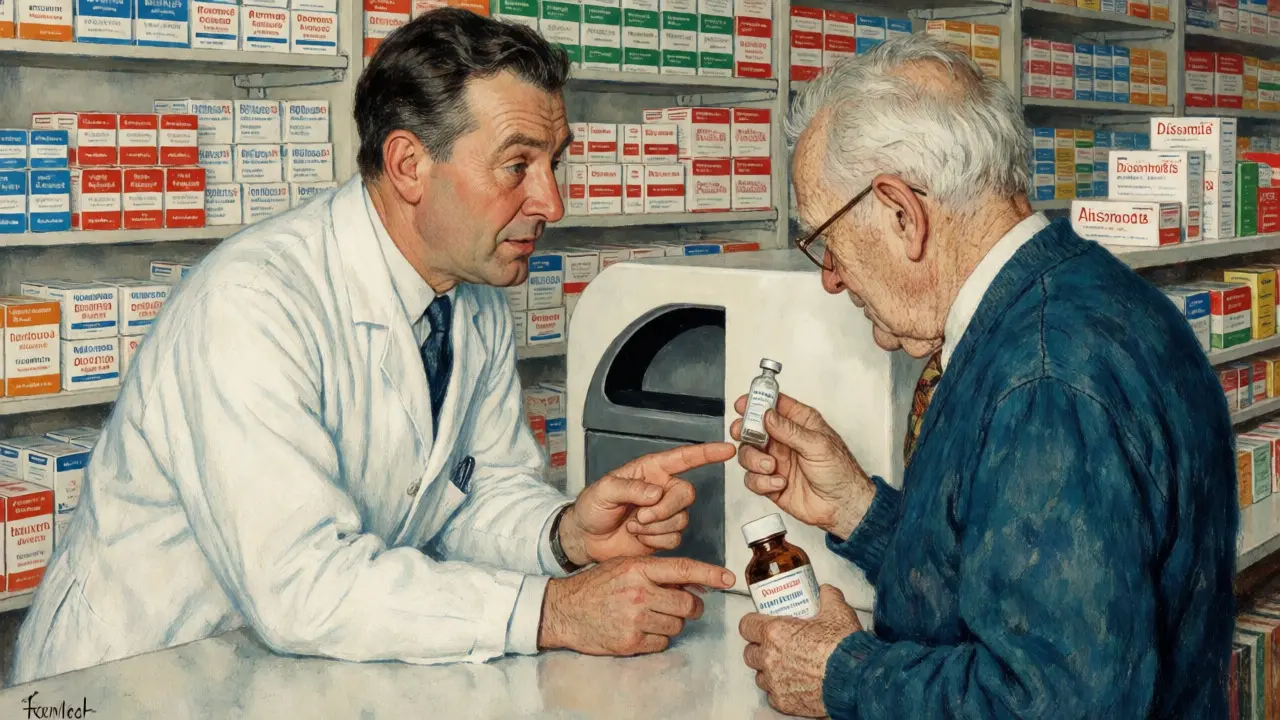
When Is It Okay to Take Them?
For minor ailments, the risk is often low. If you have a headache and find a packet of acetaminophen (paracetamol) that expired six months ago, it is generally safe to take. It might be slightly less potent, meaning you may need to wait longer for relief or take a second dose sooner, but it won’t hurt you. Solid oral dosage forms are surprisingly stable. However, this rule does not apply to critical medications. If you rely on daily medication for heart conditions, seizures, or thyroid issues, inconsistent dosing due to reduced potency can have serious consequences. Always replace these prescriptions promptly.
| Medication Type | Risk Level | Primary Concern | Action |
|---|---|---|---|
| Solid Tablets/Capsules (e.g., Paracetamol) | Low | Reduced potency | Safe to use if appearance/smell is normal; replace soon. |
| Liquid Antibiotics | High | Bacterial growth; treatment failure | Discard immediately. |
| Insulin & Biologics | High | Potency loss; structural degradation | Discard; check storage history. |
| EpiPens/Auto-injectors | Critical | Failure during allergic reaction | Replace before expiry; use expired only in emergency while seeking help. |
| Tetracyclines | Toxic | Kidney damage | Never use; discard immediately. |
How to Dispose of Old Meds Properly
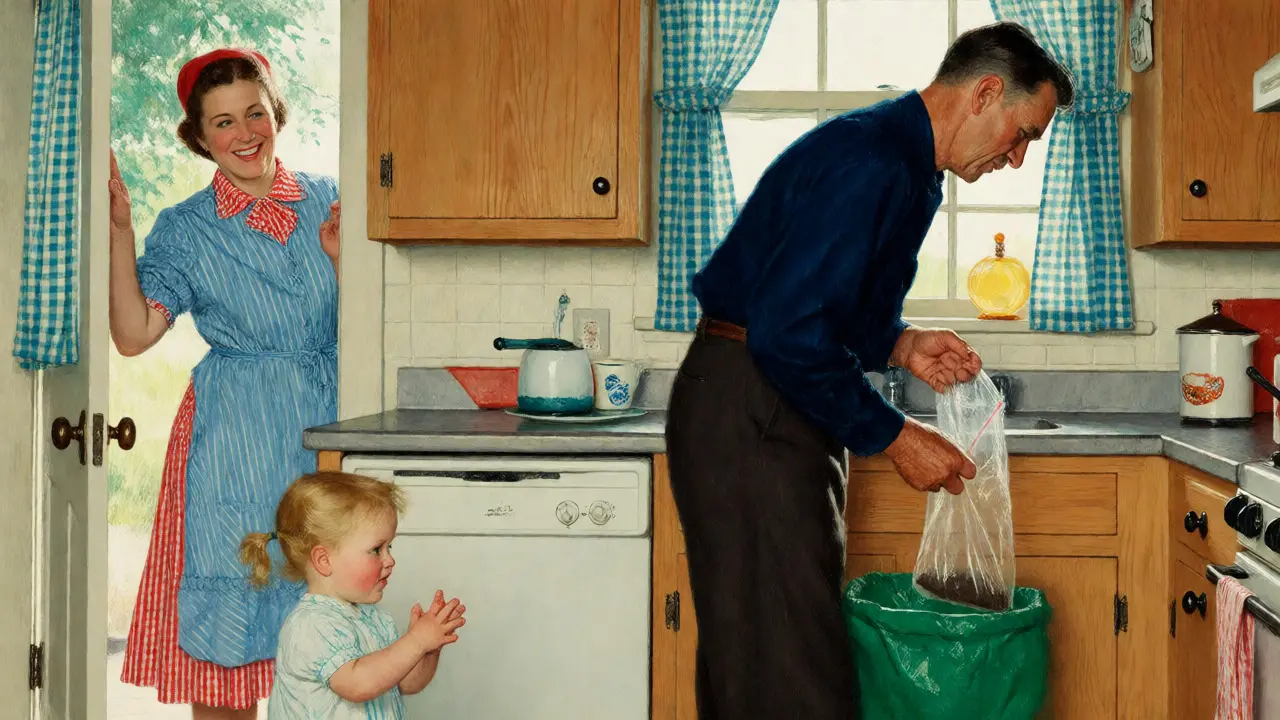
Don’t just throw them in the general waste bin where children or pets might dig them out, and please don’t flush them down the toilet unless instructed. Flushing releases pharmaceutical compounds into waterways, affecting aquatic life. The safest option in the UK is to return unused or expired medicines to your local pharmacy. Most pharmacies have dedicated bins for this purpose. They ensure the drugs are incinerated safely, preventing environmental contamination and accidental ingestion. If you must dispose of them at home, mix the tablets with coffee grounds or cat litter in a sealed bag to make them unappealing, then place them in your general waste.
Emergency Situations: What If You Have No Choice?
Imagine you’re having a severe allergic reaction, and your EpiPen expired last week. Should you use it? Emergency medicine specialists generally agree: yes. An expired epinephrine auto-injector is better than no epinephrine at all. It may provide 70-80% of the original effect, which could save your life while you call 999. Similarly, if you have chest pain and only expired nitroglycerin, take it, but seek immediate medical attention. Do not delay care hoping the old pill will work perfectly.
Signs Your Medicine Has Gone Bad
Before you take anything, give it a quick inspection. Trust your senses. If a tablet has cracked, turned yellow, or developed a strange odour (like vinegar for aspirin), it’s degrading. Liquids that have separated, become cloudy, or contain particles should be discarded. Packaging matters too-if the foil blister is punctured or the cotton plug in a bottle has been removed, moisture has likely entered. When in doubt, throw it out. It costs pennies compared to a hospital visit.
Can I take expired antibiotics?
Generally, no. Liquid antibiotics degrade quickly and can harbor bacteria. Solid antibiotics might be less effective, risking incomplete treatment and antibiotic resistance. It is best to finish a course with fresh medication or consult a pharmacist for a new prescription.
Is it dangerous to take expired painkillers?
For common painkillers like paracetamol or ibuprofen, it is usually safe but potentially less effective. They do not become toxic. However, if they look or smell different, discard them.
Where should I store my medications?
Store them in a cool, dry place away from direct sunlight. Avoid bathrooms and kitchens near the sink or stove. A bedroom drawer or a high cupboard in a living area is ideal.
Can I return expired medicines to the pharmacy?
Yes, most UK pharmacies accept expired or unused medicines for safe disposal. Check with your local branch, but it is standard practice to prevent environmental pollution.
Do vitamins expire?
Vitamins and supplements lose potency over time but rarely become harmful. You might get fewer benefits from an expired multivitamin, but it won’t hurt you. Store them properly to maintain effectiveness.
Write a comment
Latest Posts


Comments
Stuart Lorne
30/Aug/2026you lot are so bloody paranoid its actually funny
i keep my meds in the bathroom cabinet next to the shower for years and ive never died or had a weird rash or whatever you think happens when moisture gets in
its all just marketing nonsense to get you to buy more pills from boots
if it looks fine and tastes fine its fine end of story
Kimberly Thomas
30/Aug/2026Your casual disregard for chemical stability is exactly why people end up in A&E with kidney failure or resistant infections.
You aren't an expert Stuart and your anecdotal evidence means absolutely nothing against peer-reviewed data on degradation rates.
Just because you haven't died yet doesn't mean you're doing it right.
It's lazy thinking.
Morgan Law
30/Aug/2026Hey everyone, great post! I really appreciate how clear this is. For those who might be confused about storage, here is a quick tip from my experience working in community health:
1. Keep a dedicated box for daily meds away from humidity sources.
2. Check dates quarterly rather than annually to avoid surprises.
3. If you travel, use pill organizers that are opaque to protect from light.
Hope that helps someone out there stay safe without stressing too much!
Sarah Leitschuh
30/Aug/2026I agree with Morgan, it's all about balance.
We don't need to panic over every single expired tablet but we definitely shouldn't ignore the high-risk ones like insulin or antibiotics.
Communication with pharmacists is key too they are always happy to check things for you if you're unsure.
Let's look out for each other's health rather than judging different habits.
Marshall Stephens
30/Aug/2026Good points Sarah.
My gran used to keep everything under her sink until she passed and half of it was useless but at least she wasn't throwing money away unnecessarily either.
Common sense goes a long way here.
Akeem Feiton
30/Aug/2026typical british complacency!!!
in america we take our healthcare seriously and dispose of waste properly instead of letting it rot in some damp cupboard while pretending its still potent!!!
we have standards here unlike some places where 'good enough' is the motto even when lives are at stake!!!
read the label properly or suffer the consequences!!!
Kristina Rhodes
30/Aug/2026Perhaps the fear stems from a deeper anxiety about control and mortality?
We cling to expiration dates as talismans against chaos believing that if we follow the rules perfectly we can ward off illness.
But biology is messy and imperfect and sometimes the medicine works and sometimes it doesn't regardless of the date.
Maybe we should focus less on the binary of safe/unsafe and more on listening to our bodies.
Be kind to yourselves in the process.
Marc-David Mayer
30/Aug/2026Love this breakdown! 🧴💊 The bit about returning them to the pharmacy is super important 🌍♻️ We often forget how much impact flushing has on local waterways 🐟💦 It’s such an easy habit to change once you know better 😊👍 Stay safe everyone!
Anderson Miller
30/Aug/2026oh come on...
people treat these dates like nuclear launch codes when in reality most solid tablets are stable for ages...
it’s not magic...
it’s chemistry...
and unless you’re storing them in a sauna...
they’re probably fine...
stop wasting money...
kishhore kumar
30/Aug/2026this is very useful info :)
i usually store my meds in bedroom drawer now after reading similar articles before
but what about vitamins? do they become toxic or just weak??
want to clarify this part :)
thanks for sharing!
Aaron Gragg
30/Aug/2026To address the inquiry regarding vitamin degradation one must consider the specific formulation involved as well as the environmental conditions to which said supplements were subjected throughout their shelf life period.
In general terms fat soluble vitamins such as A D E and K tend to oxidize more rapidly than their water soluble counterparts particularly when exposed to ambient temperatures exceeding twenty five degrees Celsius or direct ultraviolet radiation which catalyzes the breakdown of molecular structures responsible for biological activity.
Consequently while toxicity remains a rare occurrence in standard multivitamin preparations the bioavailability of active ingredients diminishes progressively rendering the supplement largely inert rather than harmful thereby necessitating replacement primarily for efficacy reasons rather than safety concerns alone.
It is prudent therefore to adhere to manufacturer guidelines while acknowledging that minor deviations in potency rarely constitute a medical emergency provided the product exhibits no signs of physical deterioration such as discoloration or rancid odor.
Curtis Surpless
30/Aug/2026actually the whole concept of expiration dates is a regulatory fiction designed to limit liability not reflect actual drug decay curves
the SLEP study showed that 88% of drugs retained potency well beyond their labeled dates
so yeah toss the narrative not the pills
unless its nitro or tetracycline obviously those are exceptions to the rule due to specific chemical instability pathways
otherwise its mostly placebo effect driven by consumer anxiety
Harry Falk
30/Aug/2026Respectful boundary kept here: please consult your pharmacist for personal medical advice.
General guidelines apply to populations not individuals.
Safety first.
Rose Boerner
30/Aug/2026I find it utterly disgraceful that we allow pharmaceutical companies to dictate our household hygiene standards through arbitrary labeling practices.
We ought to be ashamed of ourselves for contributing to environmental pollution by improperly disposing of these compounds into our beautiful rivers and streams.
Furthermore it is morally imperative that we educate the younger generation on the proper handling of medications to prevent future generations from suffering the consequences of our negligence.
Let us act with dignity and responsibility rather than convenience.
Stuart Lorne
30/Aug/2026listen here you sanctimonious busybody
i dont care about your moral lecture i care about not paying £10 for a box of aspirin that works the same as the one from last year
go mind your own business and stop projecting your insecurities onto strangers on the internet
its called common sense try using some