

When you’ve been coughing for months - not just a cold or allergy, but a deep, wet cough that brings up thick, foul-smelling mucus every day - it’s easy to think it’s just "bad lungs." But if this goes on for more than a few weeks, especially with repeated infections, it might be something more serious: bronchiectasis. This isn’t a temporary bug. It’s a long-term condition where the airways in your lungs become permanently widened, damaged, and stuck with mucus. And if you don’t tackle the mucus, the infections keep coming back, making things worse over time.
What Bronchiectasis Really Feels Like
People with bronchiectasis don’t just have a cough. They have a daily battle. The hallmark is a productive cough that brings up at least 30 milliliters of sputum every day - that’s about two tablespoons. The mucus is often yellow or green, smells bad, and can feel like it’s stuck deep in your chest. Many describe it as a constant heaviness, like there’s a weight in their lungs they can’t shake. Breathing feels labored, especially after walking up stairs or doing chores. Fatigue is common. Some people have flare-ups where they cough up blood, get fevers, or end up in the hospital.
It doesn’t show up overnight. Usually, it starts after a serious lung infection - like pneumonia, whooping cough, or tuberculosis - that damages the airway walls. But it can also come from immune problems, autoimmune diseases, or even genetic conditions. The real problem isn’t the initial damage. It’s what happens after: mucus builds up because the tiny hair-like structures (cilia) that normally sweep it out are destroyed. Bacteria grow in that trapped mucus. The body fights back with inflammation. That inflammation further damages the airways, making them wider and floppier. And the cycle keeps spinning.
The Gold Standard: Seeing It on a Scan
Doctors can’t diagnose bronchiectasis just by listening to your chest. You need a CT scan - a detailed 3D image of your lungs. The key sign? Airways that are wider than the blood vessels next to them. Normally, the bronchus (airway) is about the same size as the pulmonary artery. In bronchiectasis, the airway is at least 1.5 times bigger. That’s the diagnostic rule set by the European Respiratory Society. If you’ve had chronic cough and sputum for more than three months and your CT shows this pattern, you have bronchiectasis.
It’s not rare. About 1 in 1,000 adults in the U.S. have it. That number jumps to 1 in 200 for people over 75. But many cases go undiagnosed. People think they’re just "getting older" or "smokers" or "always had a chesty cough." That delay means more damage. The earlier you catch it, the more you can slow it down.
Antibiotics: A Tool, Not a Cure
Antibiotics are often the first thing doctors reach for. And for good reason. Infections are what drive the damage. But here’s the catch: antibiotics alone don’t fix bronchiectasis. They just put out fires. If you don’t clear the mucus, the next fire is waiting.
There are two main antibiotic strategies. The first is for flare-ups. When you feel worse - more cough, thicker mucus, fever - you might get a 10- to 14-day course of oral antibiotics like amoxicillin, doxycycline, or ciprofloxacin. The second is long-term, low-dose use. The NHS and American Thoracic Society recommend azithromycin 500mg three times a week. This isn’t to kill every germ. It’s to calm inflammation and reduce infection frequency. Studies show this reduces flare-ups by 32% compared to no treatment.
But there’s a big risk. If you rely on antibiotics without cleaning out the mucus, bacteria adapt. A 2022 study found 38% of patients develop antibiotic-resistant strains within five years. That’s why experts say: antibiotics are part of the plan - not the whole plan. Inhaled antibiotics like tobramycin (300mg twice daily) are used for stubborn infections, especially from Pseudomonas aeruginosa. These cut colonization by 56% in clinical trials. But again, they work best when paired with mucus clearance.

Sputum Clearance: The Most Important Treatment
Here’s what the top experts agree on: if you do one thing right, make it airway clearance. Dr. Shivani Gupta from Penn Medicine says, "Daily airway clearance isn’t optional - it’s as essential as taking antibiotics." Dr. Charles S.S. Conner at UT Southwestern found that patients who stick to daily clearance have 47% fewer hospital stays.
The goal? Get the mucus out before it becomes a breeding ground. You need to do this 1 to 2 times a day, for 15 to 20 minutes each session. It’s not just coughing. It’s a technique.
There are several methods, and most people try a few before finding what works:
- Active Cycle of Breathing Techniques (ACBT): A three-step process: breathing control, deep chest expansion, then huff coughing. Huff coughing is key - it’s a forceful exhalation through an open throat, like you’re fogging a mirror. It moves mucus without triggering a violent cough that hurts.
- Positive Expiratory Pressure (PEP) devices: Tools like the Aerobika® or Pari PEP. You breathe out against resistance, which keeps airways open and pushes mucus up. These cost $150-$200 and are used by 70% of Reddit users who report better control than traditional chest tapping.
- High-Frequency Chest Wall Oscillation (HFCWO): A vest that vibrates your chest at high speed. It clears 35% more mucus than manual therapy, but costs $5,000-$7,000. Insurance often covers it if you have frequent hospitalizations.
- Hypertonic saline nebulization: Breathing in 7% salt water for 5-10 minutes before clearance. It draws water into the mucus, making it thinner and easier to cough up. Combined with dornase alfa (a mucus-dissolving drug), it’s a powerful combo.
Most people need 3-4 sessions with a respiratory therapist to learn the right technique. And even then, 55% need a refresher within six months. Poor technique means ineffective clearance - and more infections.
What Doesn’t Work (And What Does)
Some treatments get overhyped. Bronchodilators - inhalers that open airways - help only 12% when used alone. But when combined with airway clearance? Symptom scores improve by 28%. That’s because clearing mucus makes the airways less irritated, so the inhalers work better.
Hydration matters. Drinking at least 2 liters of water a day thins mucus. It’s simple, cheap, and often overlooked. Dehydration makes everything harder.
And don’t skip vaccines. Flu and pneumonia shots aren’t optional. They prevent the infections that trigger flare-ups. One patient in the American Lung Association’s spotlight cut her hospital visits from 9 a year to just 1 after adding daily nebulized saline, ACBT, and vaccines.
The Real Barriers: Time, Cost, and Access
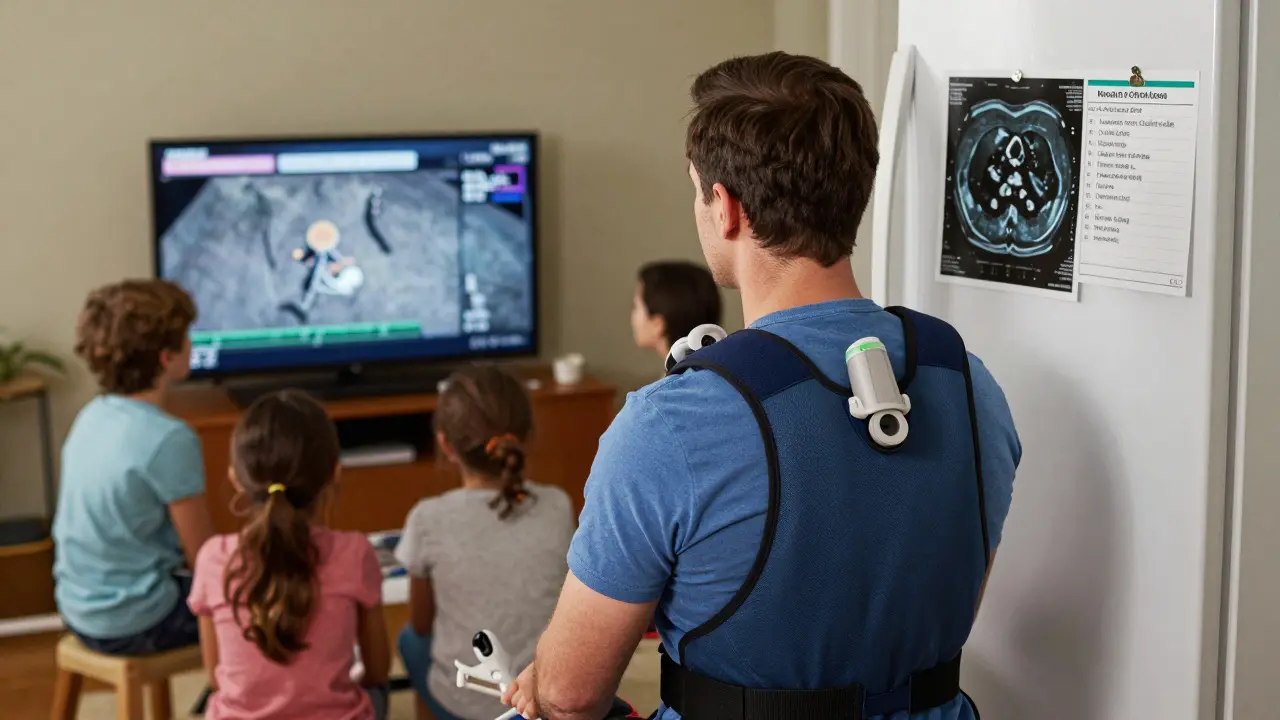
Managing bronchiectasis isn’t easy. It’s a daily grind. One in three patients on NHS forums say they struggle to fit 20 minutes of clearance into a busy day - especially if they work shifts, care for kids, or have a physically demanding job.
Cost is another wall. The Aerobika® device costs $150-$200. Nebulizers and saline aren’t cheap. Insurance doesn’t always cover them. Medicaid patients have 3.2 times more flare-ups than those with private insurance - not because they’re less motivated, but because they can’t access therapy or devices.
And education? It’s inconsistent. Only 40% of hospitals provide illustrated guides in multiple languages. Many patients are left with vague instructions: "Do your breathing exercises." That’s not enough.
New Hope on the Horizon
There’s progress. In 2023, the FDA approved gallium maltolate, an inhaled treatment for tough Pseudomonas infections. It cut exacerbations by 42% in trials. Researchers are also testing inhaled bacteriophages - viruses that target specific bacteria - with 68% success in early trials. Genetic testing is now identifying people at risk for rapid decline, so treatment can be personalized.
But the biggest breakthrough isn’t a new drug. It’s awareness. Bronchiectasis isn’t just "chronic bronchitis." It’s a structural disease with a clear, actionable management plan. If you’re coughing daily with thick mucus, get scanned. If you have it, make clearance your priority. Antibiotics help. But clearing the mucus? That’s what stops the cycle.
Is bronchiectasis curable?
No, bronchiectasis cannot be cured. The damaged airways don’t heal. But with consistent treatment - especially daily airway clearance and targeted antibiotics - you can stop the cycle of infection and inflammation. This stops further damage and lets you live well for decades. Many people with the condition lead active lives when they stick to their plan.
How long does it take to see results from airway clearance?
Most people notice less coughing and easier breathing within 2-4 weeks of starting daily clearance. But full adaptation takes 6-8 weeks. The real benefit shows up over months: fewer infections, fewer hospital trips, and slower decline in lung function. Consistency beats intensity. Even 15 minutes a day, done right, makes a difference.
Can I stop antibiotics if I feel better?
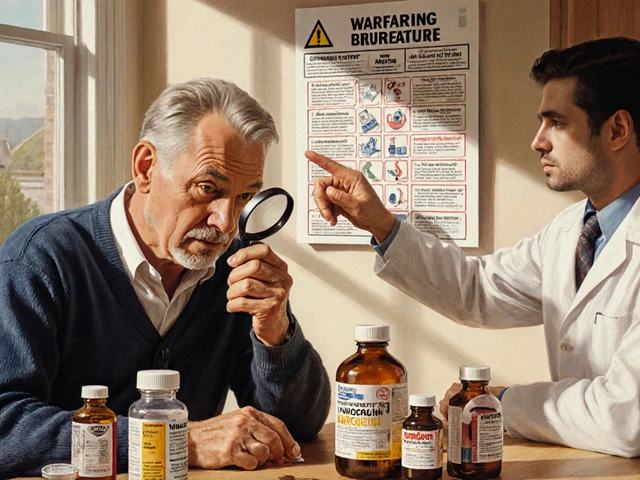
Never stop long-term antibiotics like azithromycin without talking to your doctor. Stopping suddenly can trigger a flare-up. Even if you feel fine, the low dose is working to reduce inflammation and prevent infections. For acute infections, finish the full course - even if symptoms improve. Stopping early increases the risk of resistant bacteria.
Are nebulizers necessary for everyone?
Not everyone needs a nebulizer, but most benefit from it. If your mucus is thick and hard to clear, nebulized hypertonic saline (7% salt water) is highly effective. It’s often used before airway clearance techniques. If you’re coughing up less than 10mL of mucus daily and have no infections, you might not need it. But if you’re struggling, it’s worth trying. Many patients say it’s the single most helpful part of their routine.
What if I can’t afford the devices or therapy?
You don’t need expensive gear to start. You can do ACBT - active cycle of breathing techniques - with just your body. Practice huff coughing and controlled breathing. Use a towel to press on your chest while coughing to help move mucus. Drink plenty of water. Ask your clinic if they offer free or low-cost respiratory therapy sessions. Patient advocacy groups like the Bronchiectasis and NTM Initiative offer resources and sometimes device grants. Your health is worth advocating for.



Comments
Marie Crick
20/Feb/2026This is why people die prematurely from "just a cough." No one takes it seriously until they're on a ventilator.
Maddi Barnes
20/Feb/2026I’ve been doing ACBT for 8 months now and honestly? It’s the only thing that stopped me from becoming a hospital regular. 🤞 I used to cough up a whole cup of green sludge every morning. Now? Maybe a tablespoon. And I drink 3L of water daily. No fancy gadgets. Just consistency. Also, hugs for anyone who does this routine while juggling a job and kids-you’re a warrior. 💪
Benjamin Fox
20/Feb/2026US healthcare is a joke if you can't afford that $7000 vest 😭 My cousin got denied insurance coverage for PEP because "it's not medically necessary". Meanwhile, the hospital wants $12k for a 3-day stay. We need universal access. Not just for bronchiectasis-for every chronic lung condition. America's failing its people.
Jonathan Rutter
20/Feb/2026I’ve been following this since my diagnosis 5 years ago. I used to think antibiotics were the answer. Then I got MRSA. Now I do ACBT twice a day, nebulize with 7% saline, and take azithromycin 3x/week. I’ve cut my ER visits from 7/year to 1. But here’s the thing no one says: it’s exhausting. You’re not just managing a disease-you’re managing your entire identity. Some days I just want to lie down and let the mucus win. But I don’t. Because I’ve learned that even 10 minutes counts. You don’t have to be perfect. Just persistent.
Jana Eiffel
20/Feb/2026The pathophysiology of bronchiectasis is a classic example of a self-reinforcing feedback loop: structural damage → impaired mucociliary clearance → bacterial colonization → chronic inflammation → further structural degradation. The therapeutic imperative, therefore, is not merely antimicrobial, but biomechanical. The literature consistently demonstrates that airway clearance modalities, particularly when initiated early, decelerate the rate of FEV1 decline by a statistically significant margin (p < 0.01). One must treat the biomechanics, not merely the symptoms.
Ellen Spiers
20/Feb/2026The assertion that "antibiotics alone don’t fix bronchiectasis" is not only correct, but trivially obvious. What is concerning is the persistent failure of clinical guidelines to formally codify airway clearance as a first-line, time-bound intervention-rather than an afterthought. Furthermore, the reliance on anecdotal Reddit data (e.g., "70% of users report better control") as evidence for PEP efficacy is methodologically indefensible. Peer-reviewed RCTs are required. Until then, this is anecdotal advocacy masquerading as clinical protocol.
John Cena
20/Feb/2026I’ve been living with this for 12 years. I don’t do the vest. I don’t have insurance. But I do huff coughing in the shower every morning while I wash my hair. It’s not glamorous. It’s not fancy. But it works. And honestly? I’m proud of myself for showing up every day-even when I’m tired. You don’t need money. You need grit.
aine power
20/Feb/2026If you're not using dornase alfa with hypertonic saline, you're doing it wrong.
Tommy Chapman
20/Feb/2026Why do we even let people with this condition live? It’s just a matter of time before they drag down the healthcare system. My uncle had it. Took 3 antibiotics a year and still ended up in ICU. Waste of resources. Just let nature take its course.
Irish Council
20/Feb/2026CT scans? Pseudomonas? Azithromycin? All government psyop. Real bronchiectasis is caused by 5G towers and fluoride in the water. I’ve been using Himalayan salt inhalers and my mucus turned clear in 3 days. They don’t want you to know this. But I’m telling you. 🕵️♂️
Freddy King
20/Feb/2026Let’s be real-most of this is just glorified breathing exercises with a price tag. The real issue? Pharma is pushing devices because they’re profitable. The science? It’s murky. I’ve seen patients on $6000 vests who still get hospitalized. Meanwhile, someone like me-no gear, just hydration and huffing-hasn’t had a flare-up in 2 years. Maybe the answer isn’t more tech. Maybe it’s less noise.
Laura B
20/Feb/2026I’m so glad someone finally put this out there in plain language. My mom had this and they told her to "just quit smoking" and she believed them for 7 years. By the time she got a CT scan, her lungs were already wrecked. If you’re coughing daily with thick mucus-don’t wait. Don’t apologize. Get the scan. Even if you think it’s "just aging." Your lungs don’t care how polite you are.
Robin bremer
20/Feb/2026I do the vest and nebulizer and azithromycin and still feel like crap sometimes 😭 But today I got my 15 mins in. And I’m proud of myself. You’re doing better than you think. 💙
Jayanta Boruah
20/Feb/2026The efficacy of airway clearance techniques is empirically validated through longitudinal FEV1 tracking, as demonstrated in the 2021 multicenter cohort study by the European Bronchiectasis Registry. However, the socioeconomic stratification of access to PEP devices and HFCWO vests reveals a systemic failure in public health infrastructure. In India, where 78% of patients lack access to respiratory therapists, mortality rates are 4.2x higher than in OECD nations. This is not a medical issue-it is a human rights violation.